
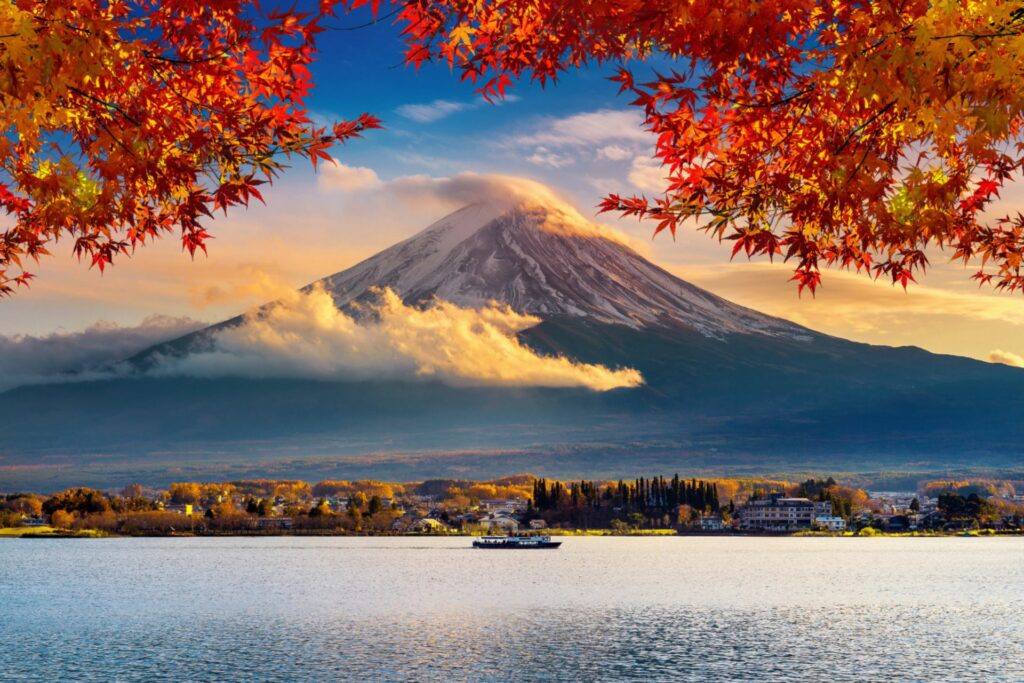
Mount Fuji guide
Japan iconic sacred mountain
Check the Mount Fuji weather today
Mount Fuji is often hidden behind clouds, so check the conditions before you go. Mount Fuji Today offers real and verified forecasts for the day and the days ahead, with live views of the mountain. You can also get the app on your phone.
About Mount Fuji
Mount Fuji, standing at 3,776 meters, is Japan's tallest peak and most recognizable symbol. This active stratovolcano has been revered as sacred for centuries and continues to inspire millions of visitors each year.
Whether you dream of climbing to the summit, capturing the perfect photograph, or simply admiring its majestic silhouette from afar, Mount Fuji offers countless ways to experience its timeless beauty.
The mountain is visible from Tokyo on clear days and serves as a powerful reminder of nature's grandeur in the heart of modern Japan.
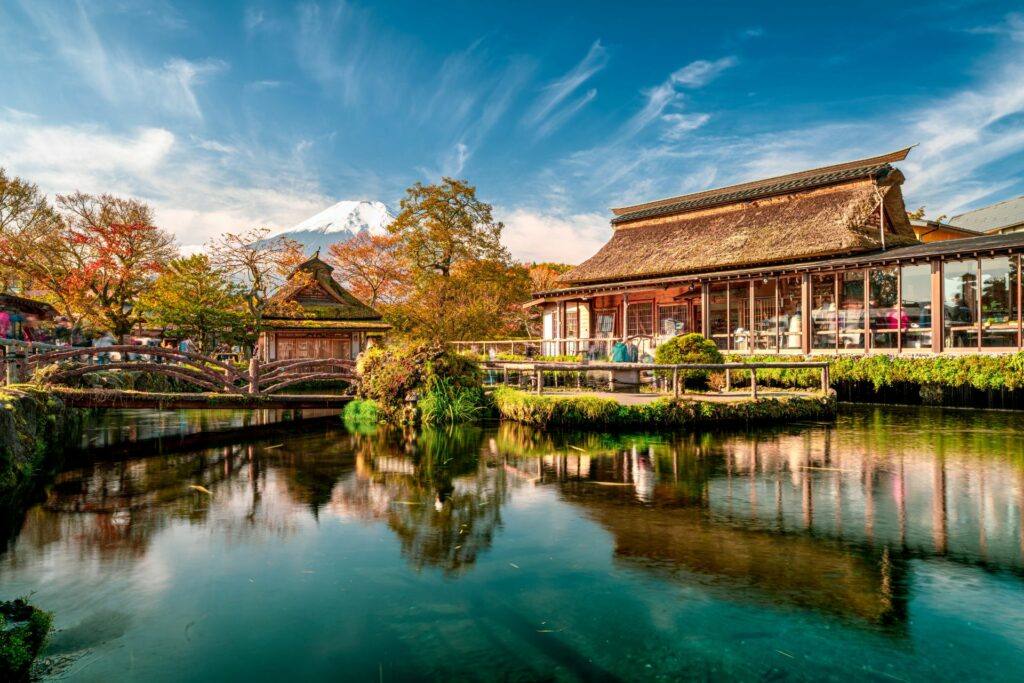
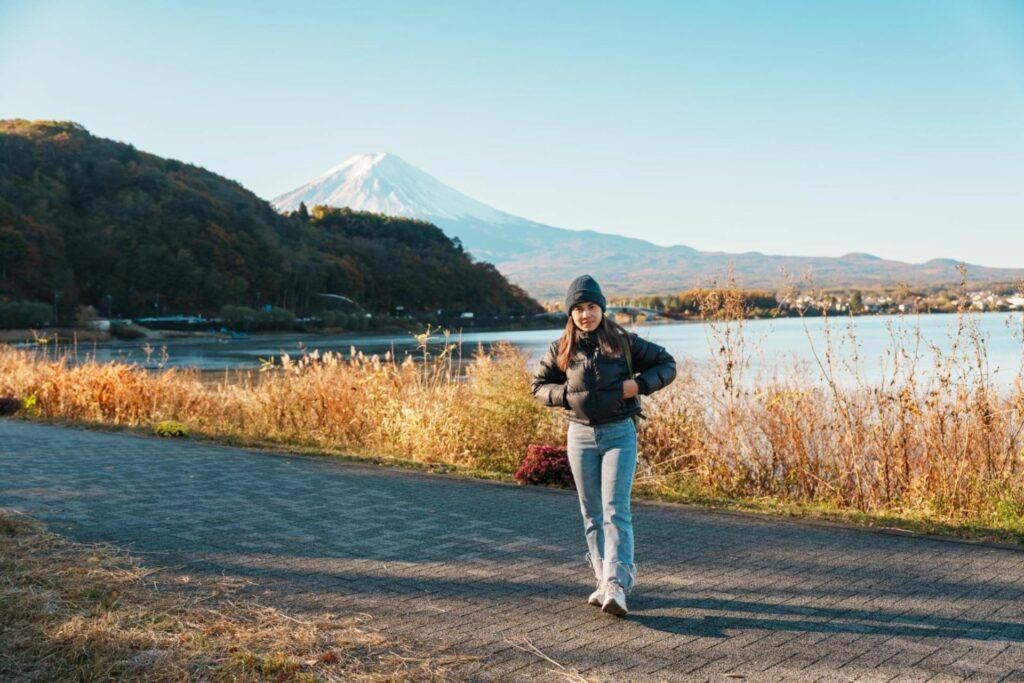
Best times to visit Mount Fuji
Winter (December to February)
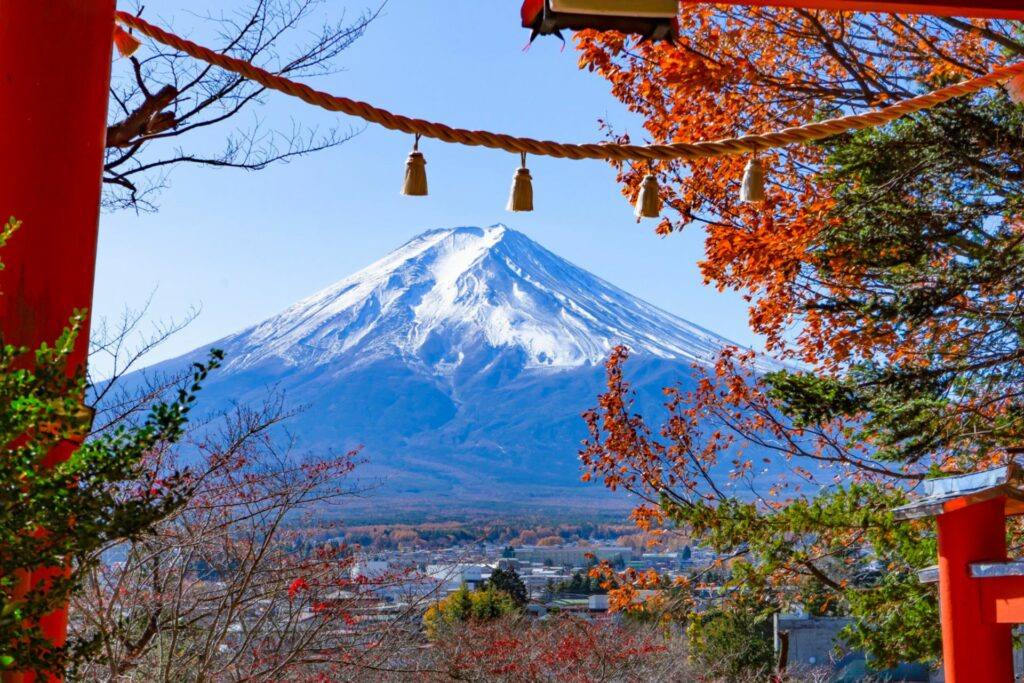
Crystal-clear skies offer the best visibility of the snow-capped peak. Cold but dry weather makes for stunning photographs.
Spring (March to May)
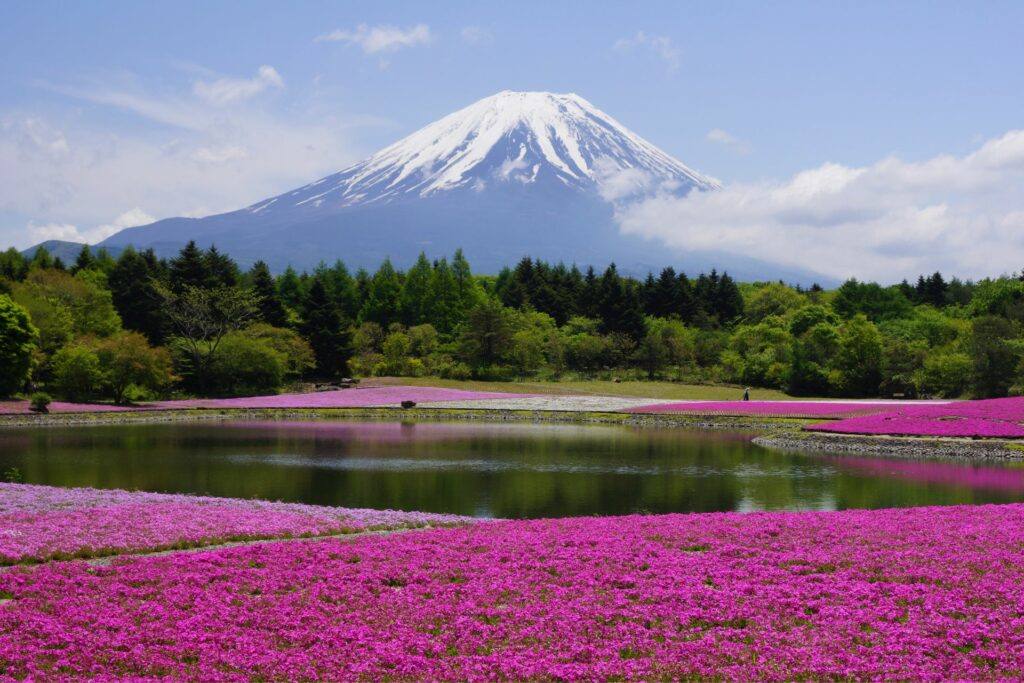
Kersiebloeisels omraam die berg pragtig, veral by Chureito-pagode. Die Shibazakura-fees blom vanaf middel April.
Somer (Junie tot Augustus)
Amptelike klimseisoen (Julie-September). Uitsigte word dikwels deur wolke en mis belemmer, maar berghutte is oop.
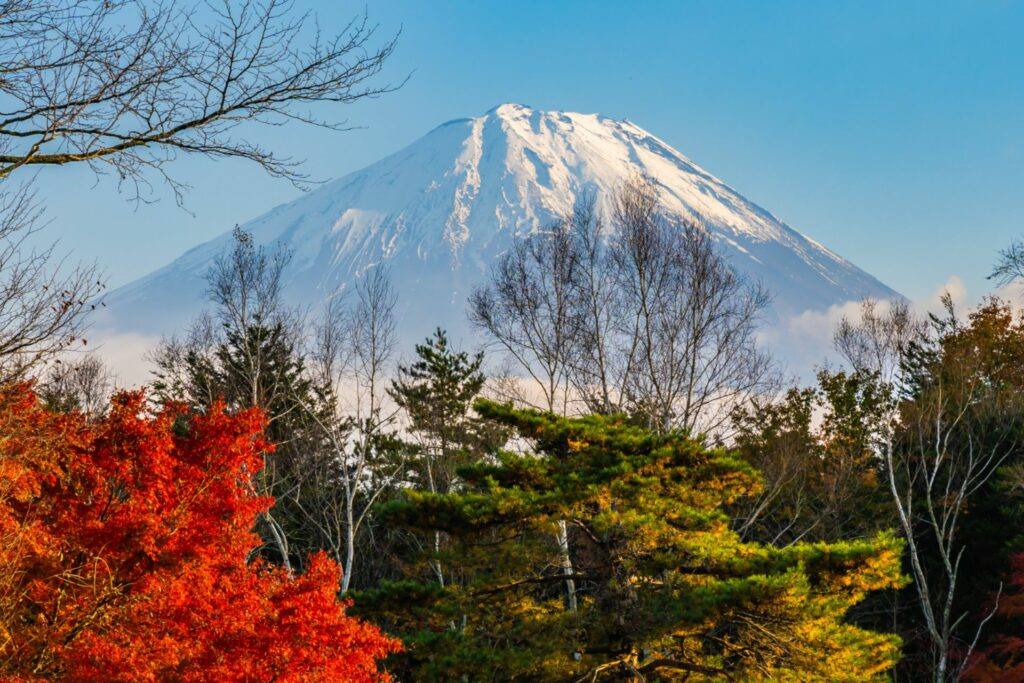
Herfs (September tot November)
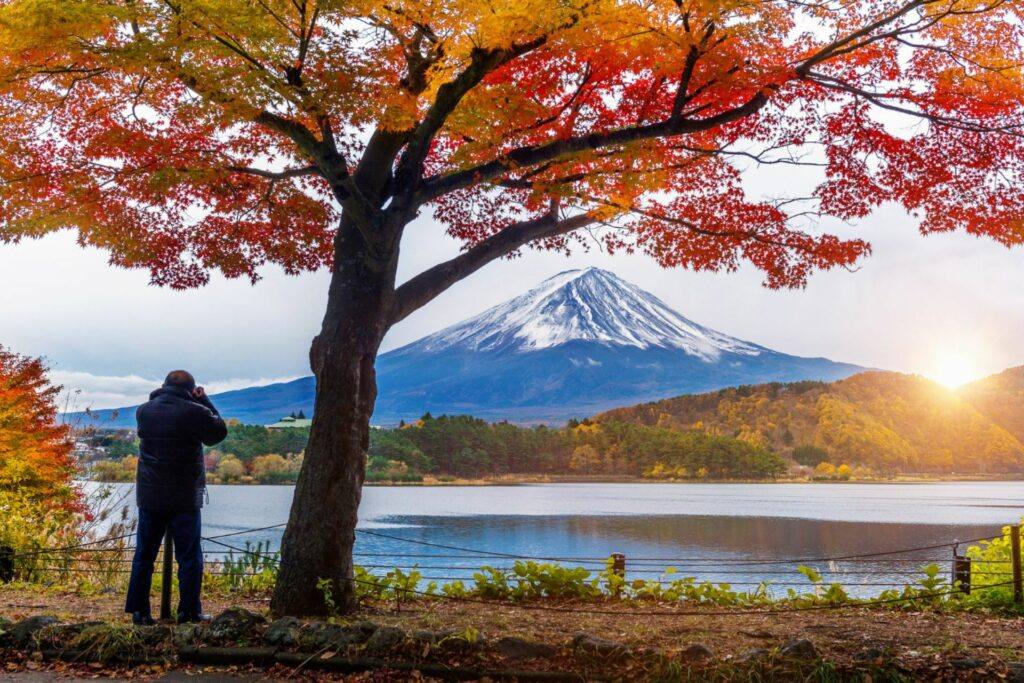
Lewendige rooi en goue blare skep asemrowende tonele. Helder weer keer terug namate temperature daal. Vroeë sneeu op die piek.
Beste plekke om rondom Berg Fuji te besoek
Ontdek die pragtigste uitkykpunte en ervarings in die Berg Fuji-streek.
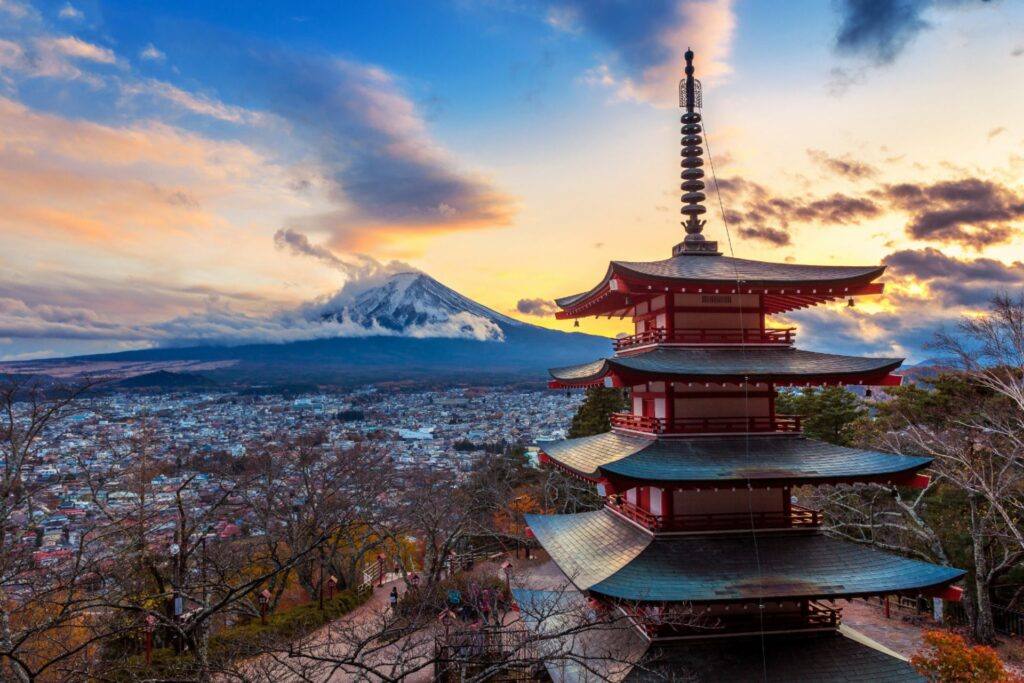
Chureito Pagoda
The iconic five-story pagoda with Mount Fuji as a backdrop has become one of Japan's most photographed scenes, especially during cherry blossom season.
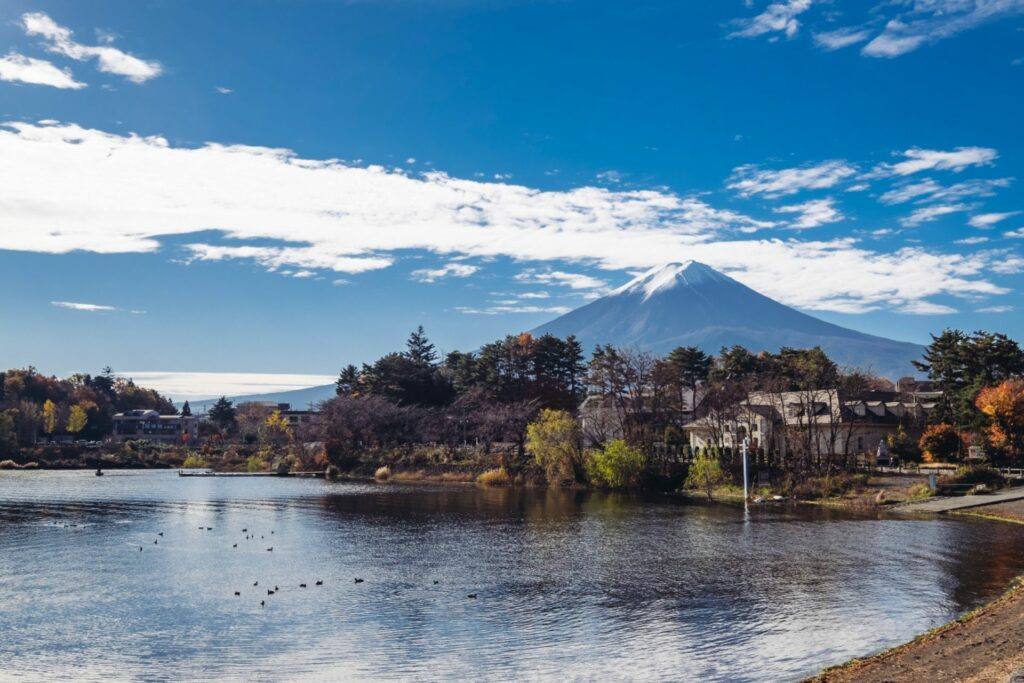
Kawaguchiko Lake
The most popular viewing spot with stunning reflections of Fuji in the calm lake waters. The area offers museums, hot springs, and seasonal flower festivals.
Fuji Five Lakes
Five scenic lakes at Fuji's northern base offer year-round activities from boating and fishing to ice skating in winter, all with mountain views.
Hakone Views
The hot spring resort town of Hakone offers spectacular Fuji views along with traditional ryokan stays, art museums, and the famous Owakudani volcanic valley.
How to get there
Vanaf Tokio (Shinjuku)
Neem die JR Chuo-lyn vanaf Shinjuku na Otsuki-stasie (ongeveer 1 uur met "limited express"). Skakel oor na die Fujikyuko-lyn na Kawaguchiko-stasie (ongeveer 50 minute). Die Fujikyuko-lyn word nie deur die JR Pass gedek nie, maar die reis na Otsuki is ten volle gedek.
Vanaf Tokio-stasie
Neem die Tokaido Shinkansen na Mishima-stasie (ongeveer 50 minute). Van daar, neem "n bus na die Fuji Vyf Mere-gebied. Alternatiewelik, reis na Shin-Fuji-stasie en neem "n bus direk na Kawaguchiko.
Vanaf Hakone
Ashinoko-meer in Hakone bied pragtige uitsigte oor Berg Fuji. Kry toegang tot Hakone via JR na Odawara-stasie, gebruik dan die Hakone "Free Pass" vir plaaslike vervoer rondom die Hakone-gebied.
The Fujikyu Railway from Otsuki to Kawaguchiko is not covered by the JR Pass, but the journey offers spectacular views.
Visitor tips
Visit Mount Fuji with your JR Pass
Kry jou Japan Rail Pass en ervaar Japan se mees ikoniese natuurlike wonder. Geen reis na Japan is volledig sonder om Berg Fuji te sien nie.