
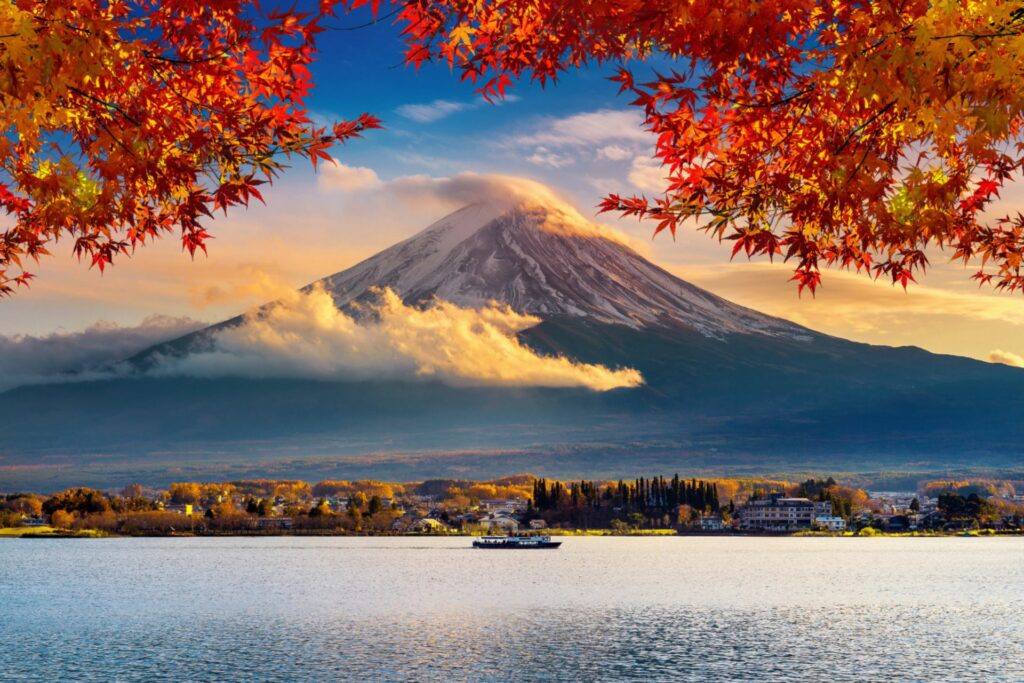
Fuji tog'i bo'yicha qo'llanma
Yaponiyaning qutlug' tog'i
Check the Mount Fuji weather today
Mount Fuji is often hidden behind clouds, so check the conditions before you go. Mount Fuji Today offers real and verified forecasts for the day and the days ahead, with live views of the mountain. You can also get the app on your phone.
Fuji tog'i haqida
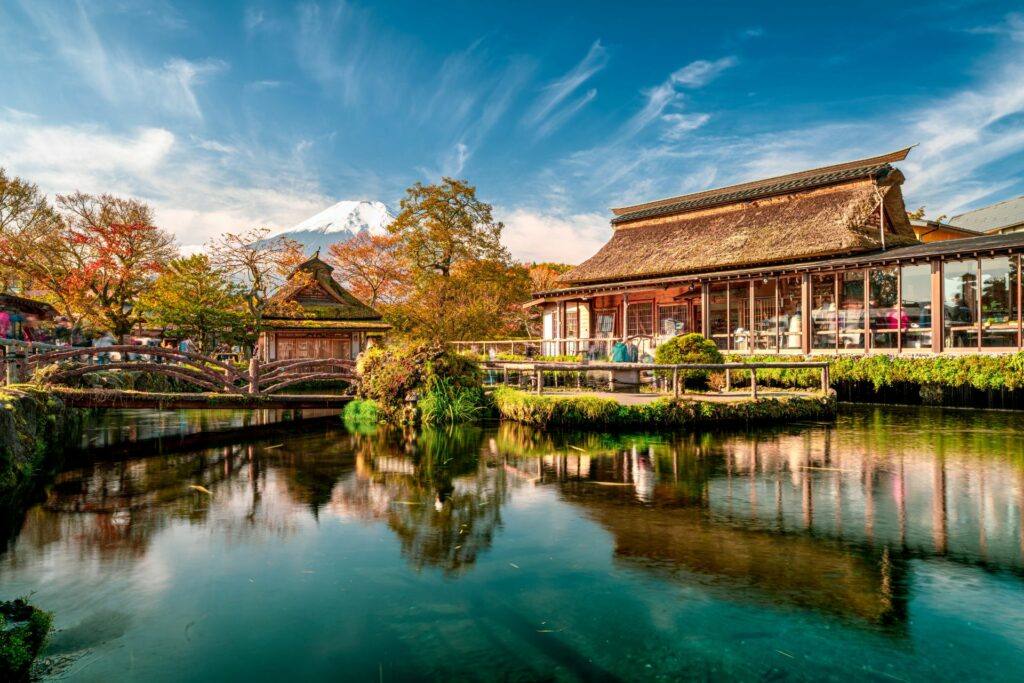
Fuji tog'i 3776 metr balandlikda joylashgan bo'lib, Yaponiyaning eng baland cho'qqisi va eng tan olingan ramzidir. Ushbu faol stratovulkan asrlar davomida muqaddas hisoblangan va har yili millionlab tashrif buyuruvchilarni ilhomlantirishda davom etmoqda.
Cho'qqiga chiqishni, mukammal suratga tushishni yoki shunchaki uning ulug'vor siluetini uzoqdan hayratda qoldirishni orzu qilasizmi, Fuji tog'i o'zining eskirmaydigan go'zalligini his qilishning son-sanoqsiz usullarini taqdim etadi.
Tog' ochiq kunlarda Tokiodan ko'rinadi va zamonaviy Yaponiya markazida tabiatning ulug'vorligini kuchli eslatuvchi vazifasini bajaradi.
Fuji tog'iga tashrif buyurish uchun eng yaxshi vaqtlar
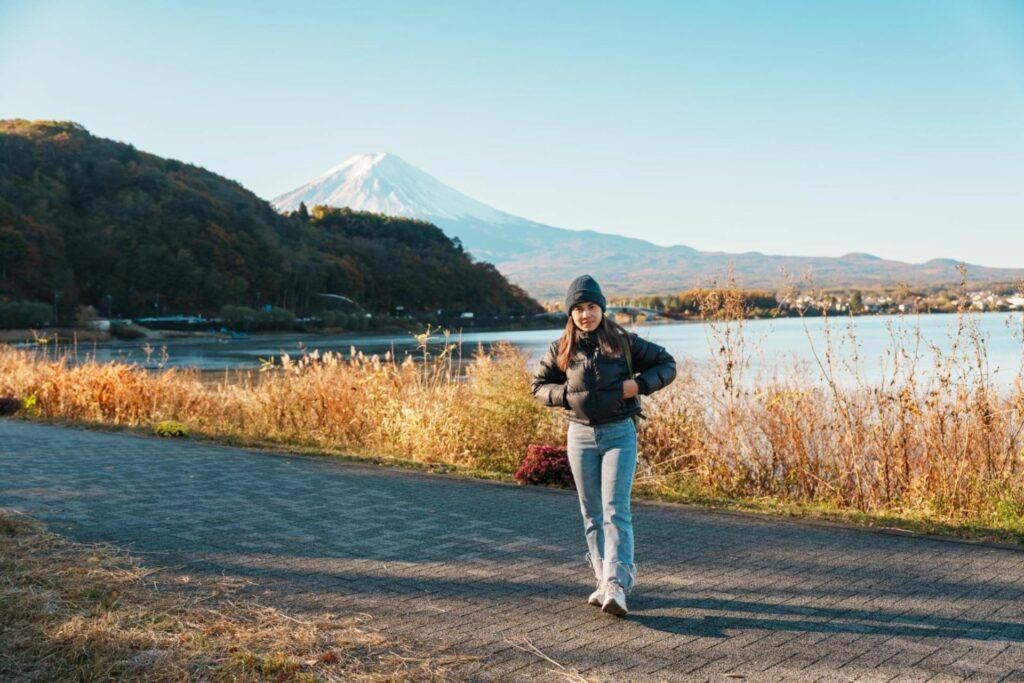
Qish (dekabr-fevral)
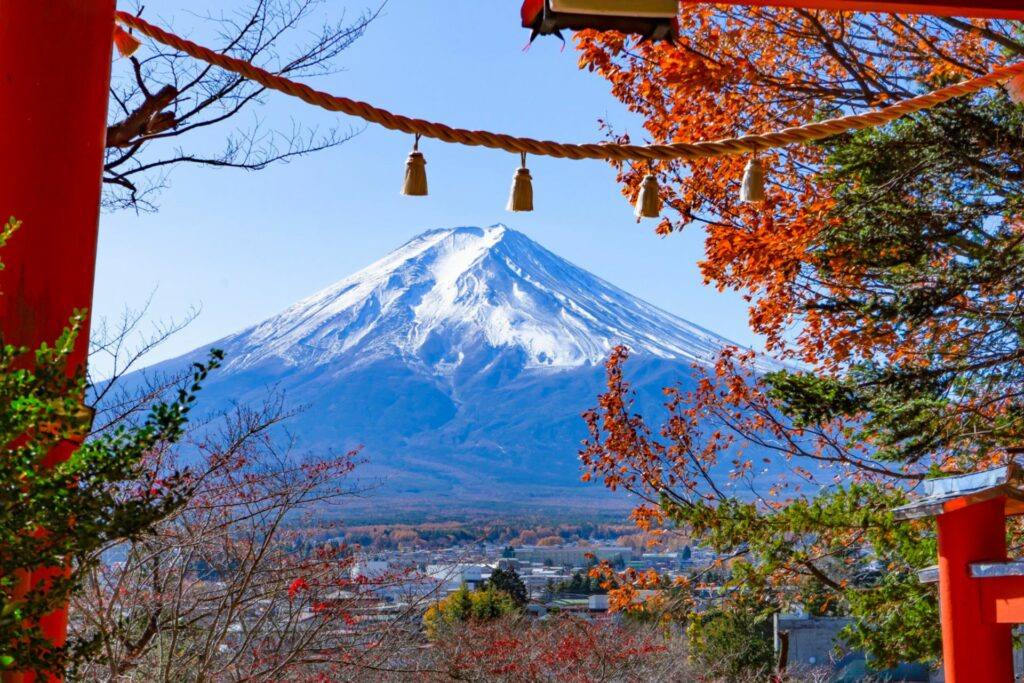
Kristal kabi shaffof osmon qor qoplangan cho'qqining eng yaxshi ko'rinishini ta'minlaydi. Sovuq, ammo quruq ob-havo ajoyib fotosuratlar olish imkonini beradi.
Bahor (mart-may)
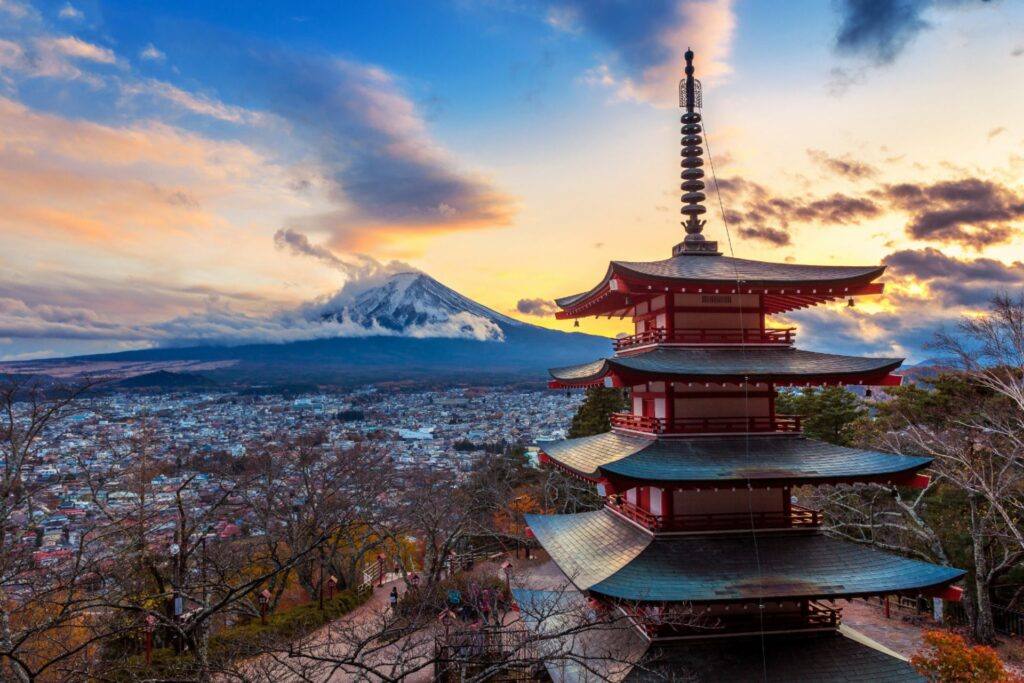
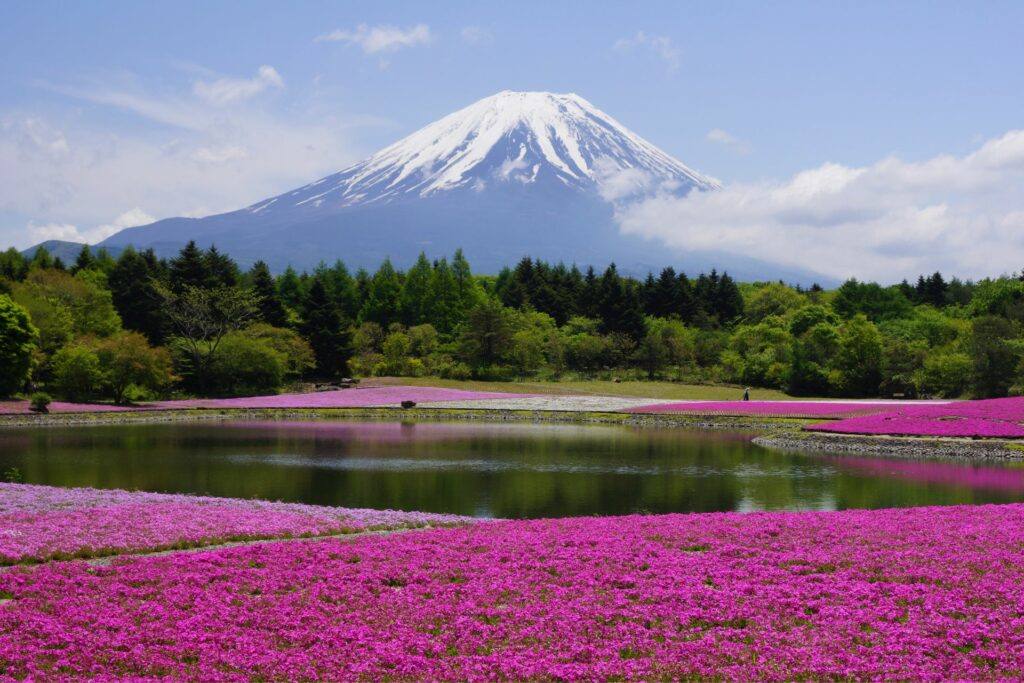
Cherry blossoms frame the mountain beautifully, especially at Chureito Pagoda. The Shibazakura Festival blooms from mid-April.
Summer (June to August)
Official climbing season (July-September). Views are often obscured by clouds and haze, but mountain huts are open.
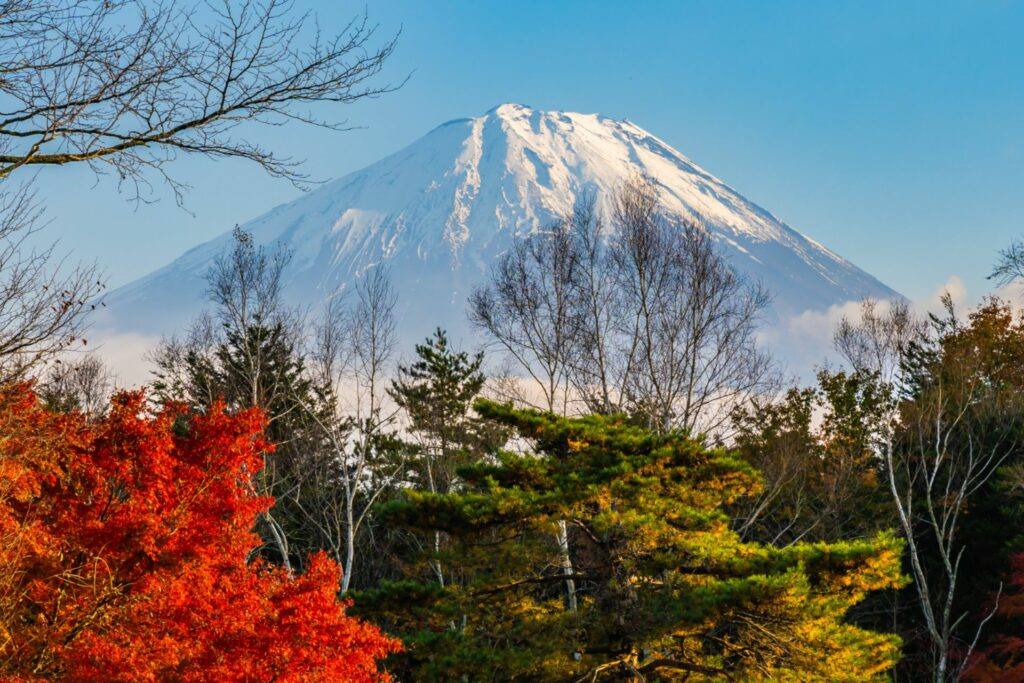
Autumn (September to November)
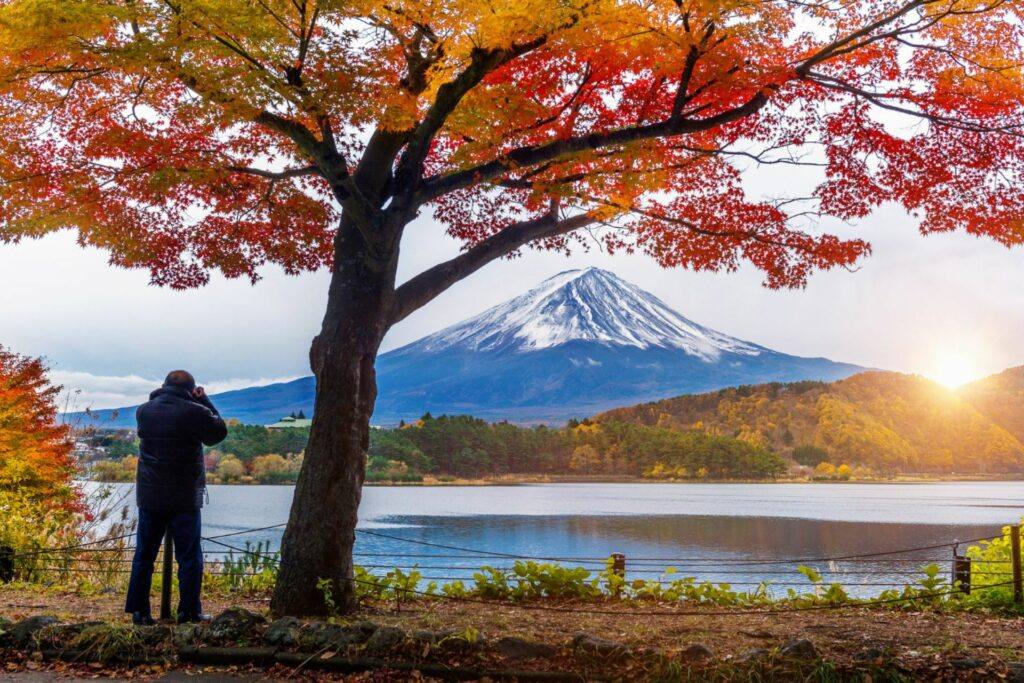
Vibrant red and gold foliage creates stunning scenes. Clear weather returns as temperatures drop. Early snow on the peak.
Best places to visit around Mount Fuji
Discover the most stunning viewpoints and experiences in the Mount Fuji region.
Chureito Pagoda
The iconic five-story pagoda with Mount Fuji as a backdrop has become one of Japan's most photographed scenes, especially during cherry blossom season.
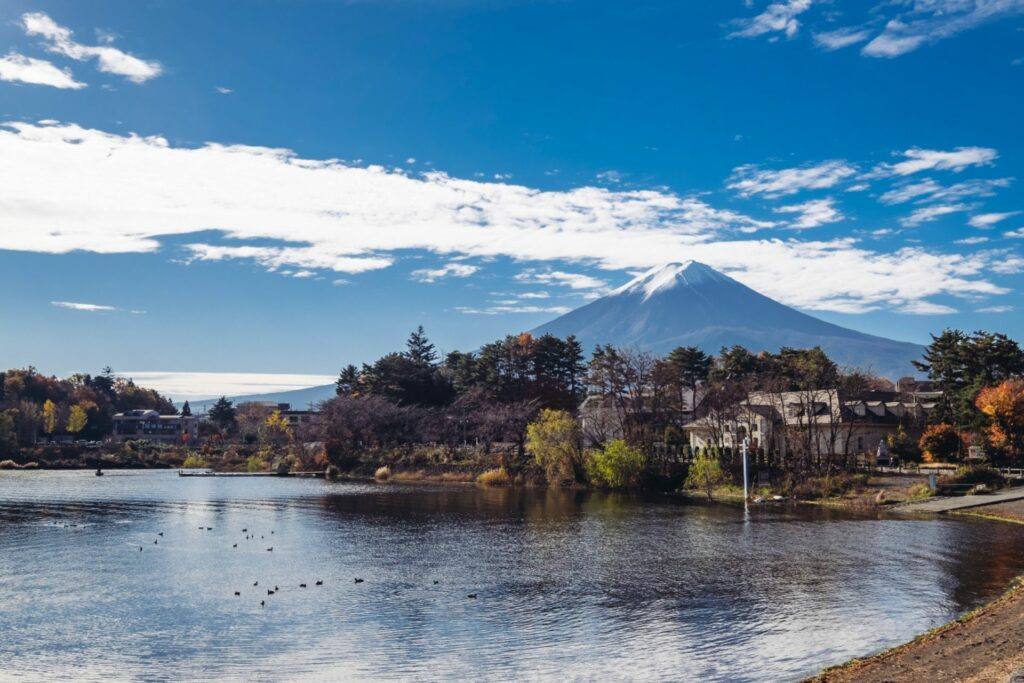
Kawaguchiko ko'li
The most popular viewing spot with stunning reflections of Fuji in the calm lake waters. The area offers museums, hot springs, and seasonal flower festivals.
Fuji Five Lakes
Five scenic lakes at Fuji's northern base offer year-round activities from boating and fishing to ice skating in winter, all with mountain views.
Hakone Views
The hot spring resort town of Hakone offers spectacular Fuji views along with traditional ryokan stays, art museums, and the famous Owakudani volcanic valley.
How to get there
From Tokyo (Shinjuku)
Take the JR Chuo Line from Shinjuku to Otsuki Station (about 1 hour with limited express). Transfer to the Fujikyuko Line to Kawaguchiko Station (about 50 minutes). The Fujikyuko Line is not covered by JR Pass, but the journey to Otsuki is fully covered.
From Tokyo Station
Take the Tokaido Shinkansen to Mishima Station (about 50 minutes). From there, take a bus to the Fuji Five Lakes area. Alternatively, travel to Shin-Fuji Station and take a bus directly to Kawaguchiko.
From Hakone
Lake Ashinoko in Hakone offers beautiful Mount Fuji views. Access Hakone via JR to Odawara Station, then use the Hakone Free Pass for local transportation around the Hakone area.
The Fujikyu Railway from Otsuki to Kawaguchiko is not covered by the JR Pass, but the journey offers spectacular views.
Visitor tips
JR Pass bilan Fuji tog'iga tashrif buyuring
Get your Japan Rail Pass and experience Japan's most iconic natural wonder. No trip to Japan is complete without seeing Mount Fuji.