
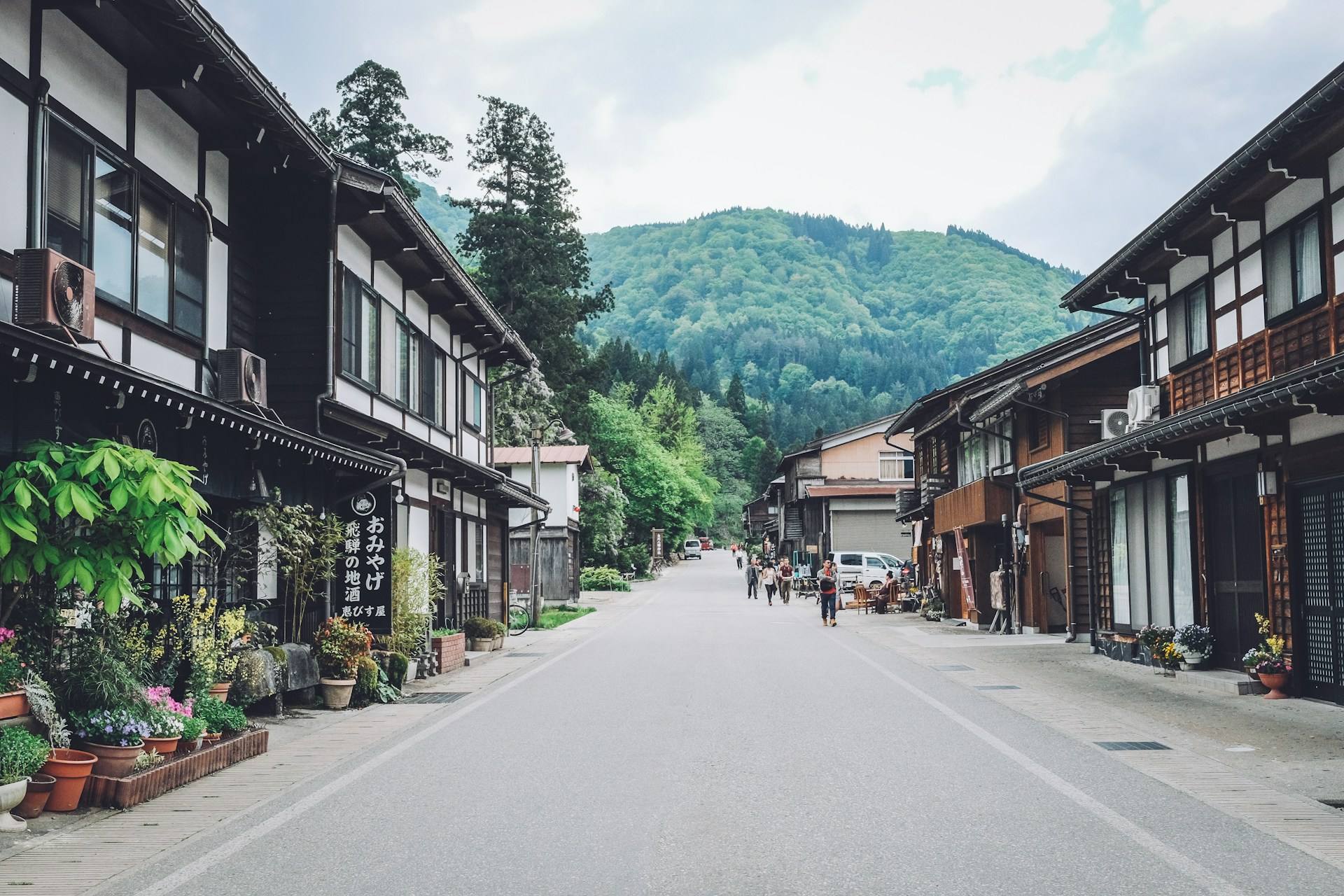
Gifu travel guide
Where ancient cormorant fishing meets samurai history, at the crossroads of Japan's historic heartland.
Gifu districts
From riverside traditions to mountaintop views - discover Gifu's diverse neighborhoods.
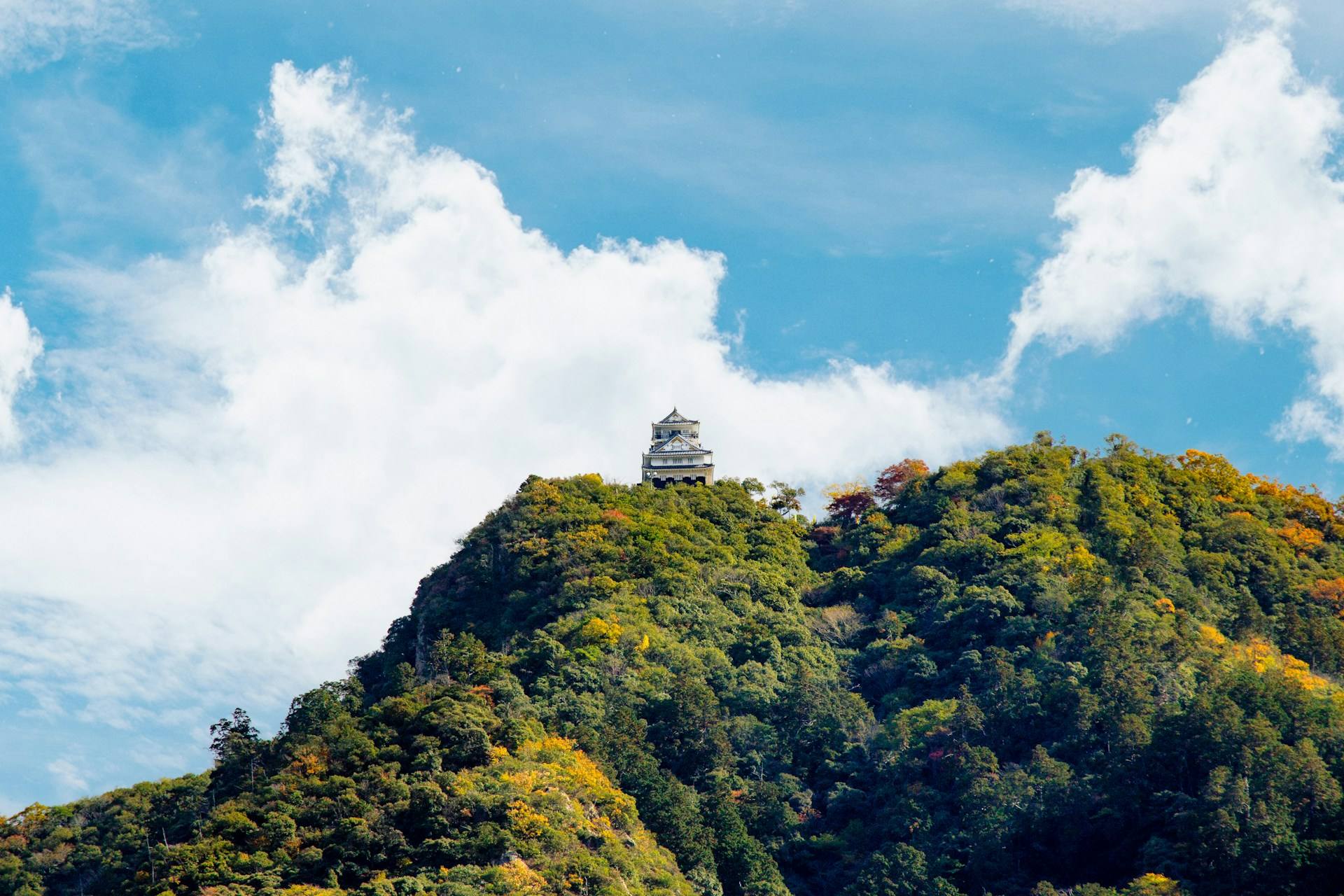
Mount Kinka
Mount Kinka rises 329 meters above the city, its summit crowned by the reconstructed Gifu Castle. The mountain played a crucial role in Japan's unification, serving as the stronghold of Oda Nobunaga in the 16th century.
A ropeway carries visitors to near the summit in just 4 minutes, though hiking trails offer a more immersive experience through dense forest. The castle museum displays Nobunaga-related artifacts and local history.
Panoramic views from the observation deck span the Nobi Plain to the Japanese Alps. On clear days, visibility extends to Nagoya's skyline. Sunset visits are particularly rewarding, with the plain glowing gold before city lights emerge.
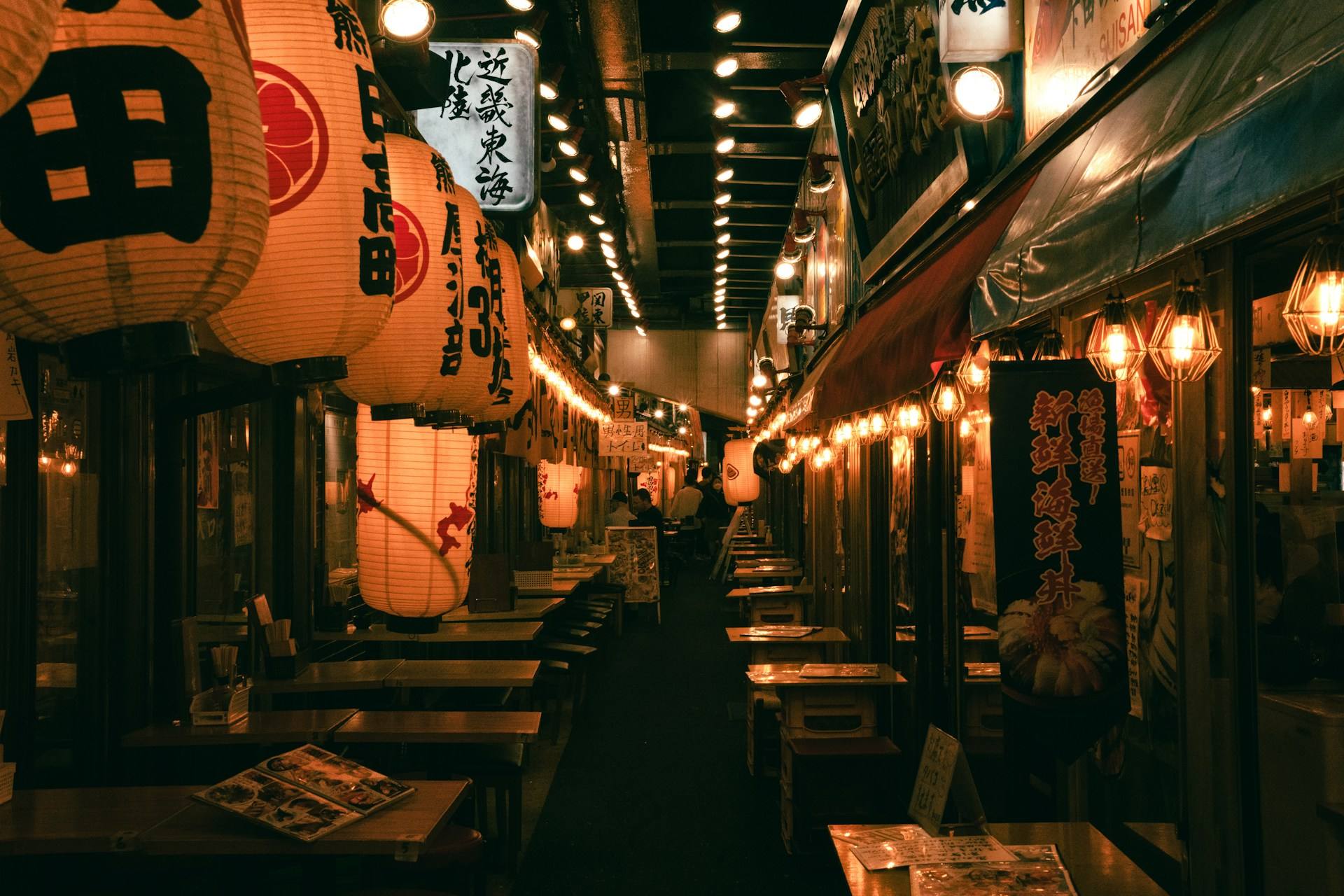
Downtown Gifu
Downtown Gifu centers on the Yanagase shopping district, a covered arcade that has served as the city's commercial heart for generations. While quieter than its peak years, the area retains authentic local atmosphere.
Traditional craft shops sell Gifu's famous products: delicate paper lanterns, decorative umbrellas, and washi paper. These crafts have been produced here for centuries, benefiting from the region's pure water and skilled artisans.
Restaurants and izakayas serve local specialties, from river fish to Hida beef. The area comes alive in evenings, particularly during summer when cormorant fishing draws crowds to riverside establishments.
Top attractions
From 1,300-year-old fishing traditions to panoramic castle views - experiences that define Gifu.
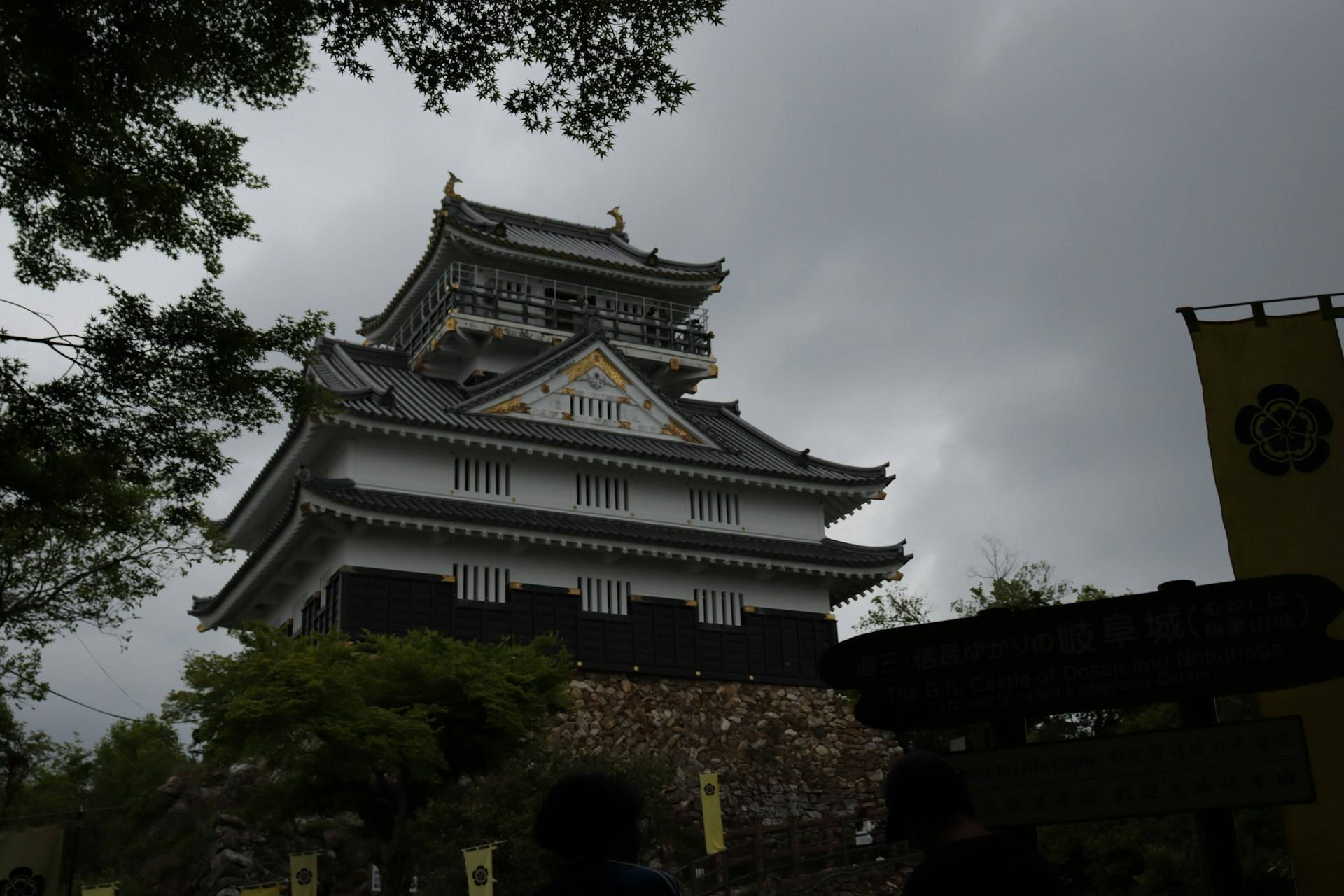
Gifu Castle
Gifu Castle stands atop Mount Kinka, commanding the strategic river crossing that made this location crucial in Japan's unification wars. Oda Nobunaga captured the castle in 1567 and renamed it from Inabayama to Gifu, beginning his march toward national dominance.
The current concrete reconstruction dates from 1956, housing a museum with Nobunaga-related artifacts, samurai weapons, and local history exhibits. While not an original structure, the castle occupies its authentic historic site with commanding views unchanged since the feudal era.
The observation deck offers 360-degree panoramas: the Nagara River snaking below, the Nobi Plain stretching to Nagoya, and on clear days, the Japanese Alps rising to the north. Night illumination during summer creates dramatic visibility.
Tip: Visit near sunset for best views and lighting
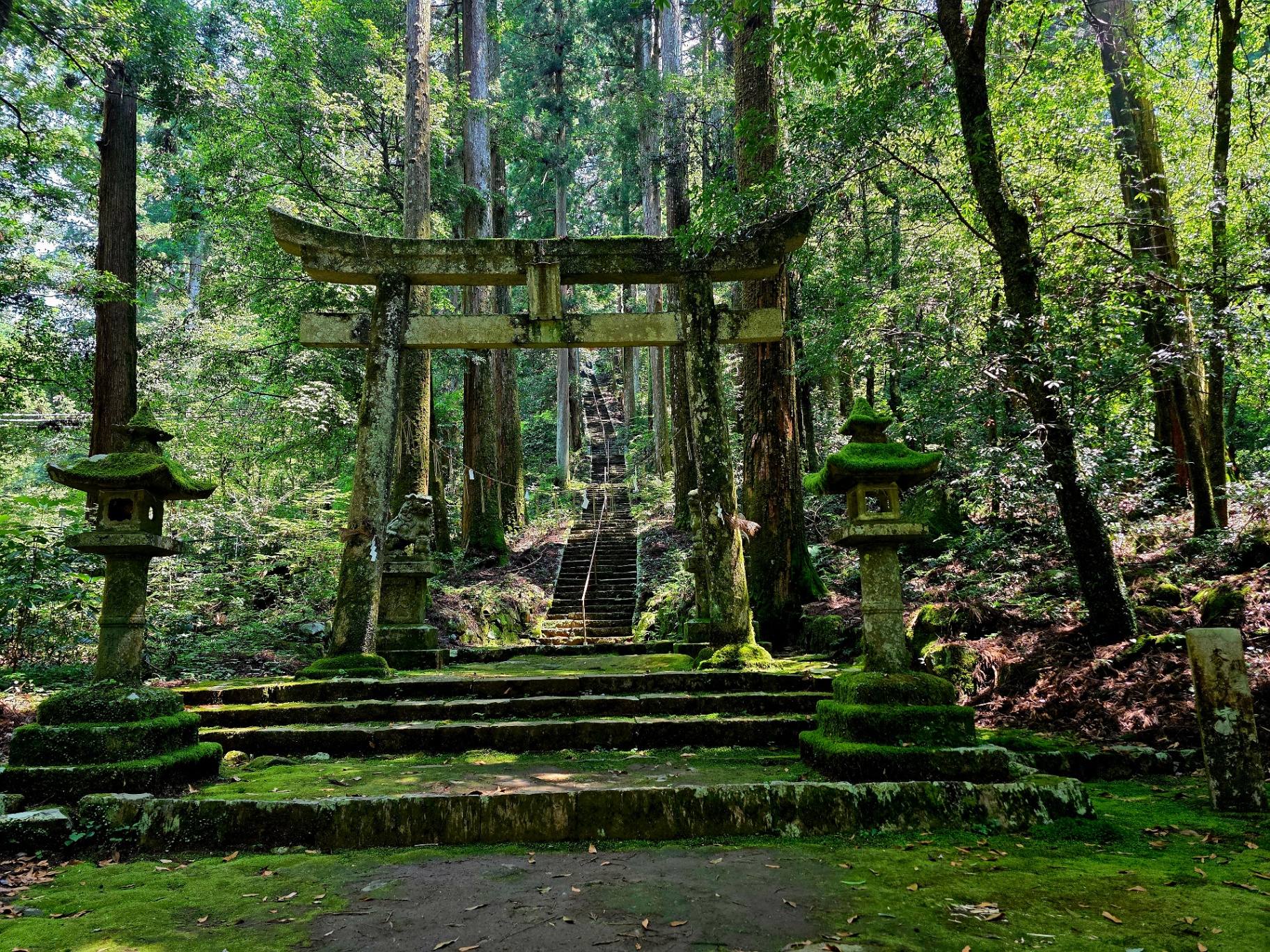
Taki Shrine
Taki Shrine is one of Gifu Prefecture's most sacred Shinto sites, nestled in a forested valley where a beautiful waterfall serves as the shrine's natural focal point. The shrine has been a place of worship and purification for over 1,300 years.
The waterfall itself is considered a divine presence, and the surrounding ancient cedar trees create an atmosphere of profound spirituality. Visitors often come for misogi purification rituals, standing beneath the cascading waters to cleanse body and spirit.
The approach through dense forest builds anticipation, with vermillion torii gates marking the sacred boundary. The combination of flowing water, towering trees, and ancient architecture makes Taki Shrine one of Gifu's most atmospheric destinations.
Tip: Visit early morning for a peaceful, mystical atmosphere
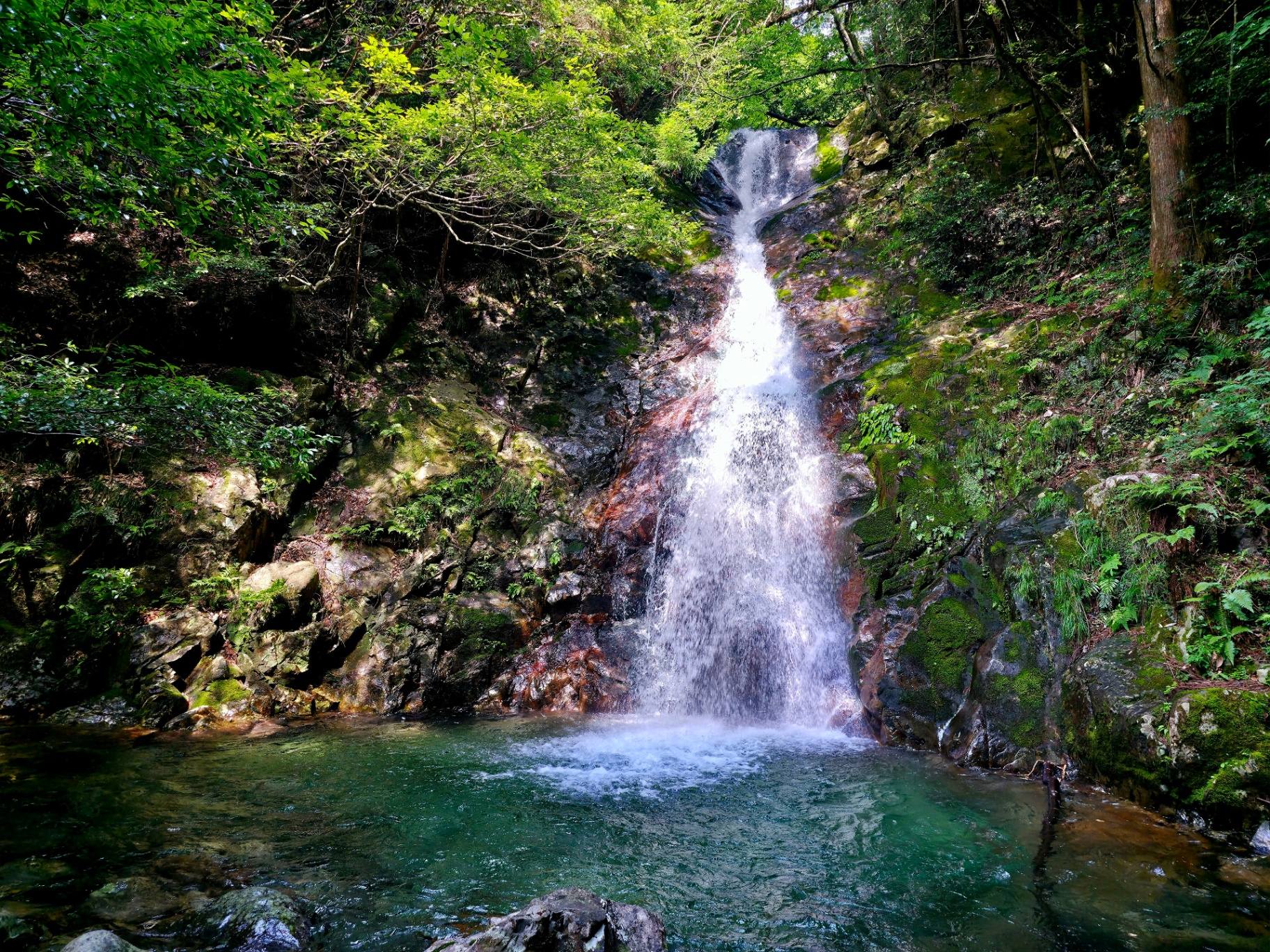
Hakusui Waterfall
Hakusui Waterfall (Hakusui no Taki) is one of Gifu's most scenic natural attractions, its crystal-clear waters cascading down moss-covered rocks into an emerald pool below. The name means "white water," describing the foam created as the falls tumble down the rocky face.
The waterfall is surrounded by lush forest that changes dramatically with the seasons. Spring brings fresh green growth, summer offers cool respite from the heat, autumn paints the surrounding trees in brilliant colors, and winter occasionally freezes portions of the falls into ice sculptures.
A short walking path leads to viewing platforms where visitors can appreciate the falls from multiple angles. The negative ions from the cascading water create a refreshing, invigorating atmosphere perfect for nature lovers.
Tip: Best visited after rainfall when water flow is strongest
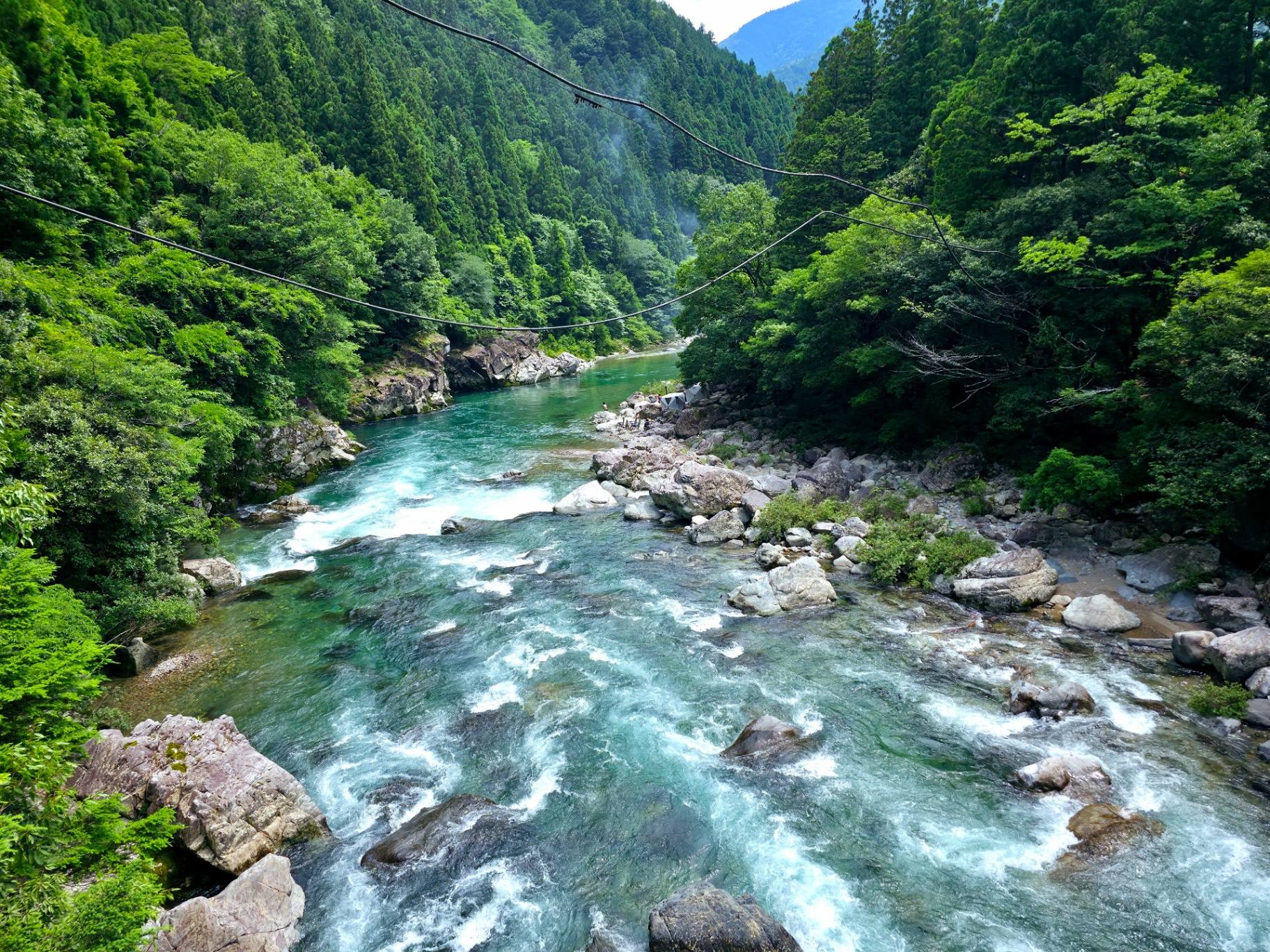
Itadori River
The Itadori River flows through northern Gifu Prefecture, renowned for its remarkably clear waters that have earned it recognition as one of Japan's most pristine rivers. The river's transparency allows visibility to the riverbed even in deeper sections.
During summer months, locals and visitors alike gather at designated swimming spots along the river, enjoying the refreshingly cold mountain water. Riverside camping areas offer overnight stays with the soothing sound of flowing water.
The river valley is particularly scenic in autumn when maple trees along the banks turn vivid red and orange, reflected in the crystal waters below. Several riverside cafes and rest stops allow visitors to enjoy the scenery at leisure.
Tip: Summer is perfect for riverside walks and swimming spots
Day trips from Gifu
Use your JR Pass to explore nearby UNESCO villages, hot springs, and historic towns.
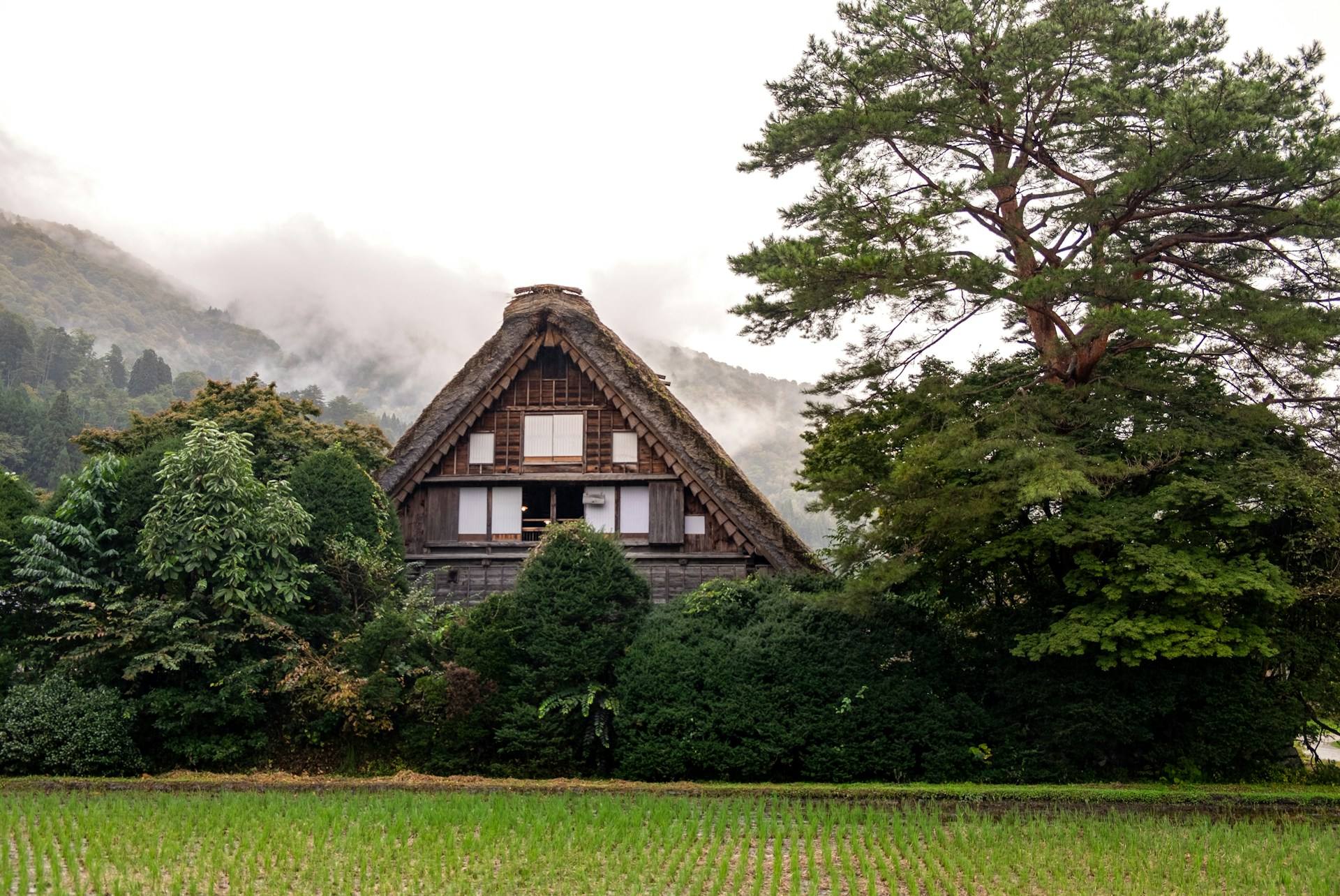
Shirakawa-go
This UNESCO World Heritage village features steep-roofed gassho-zukuri farmhouses designed to shed heavy mountain snow. The architectural style, named for its resemblance to hands in prayer, represents rural Japan's most iconic landscape.
Buses depart from Gifu Station to Shirakawa-go, though this route is not covered by JR Pass. Consider combining with Takayama as a two-day loop using JR trains where possible.
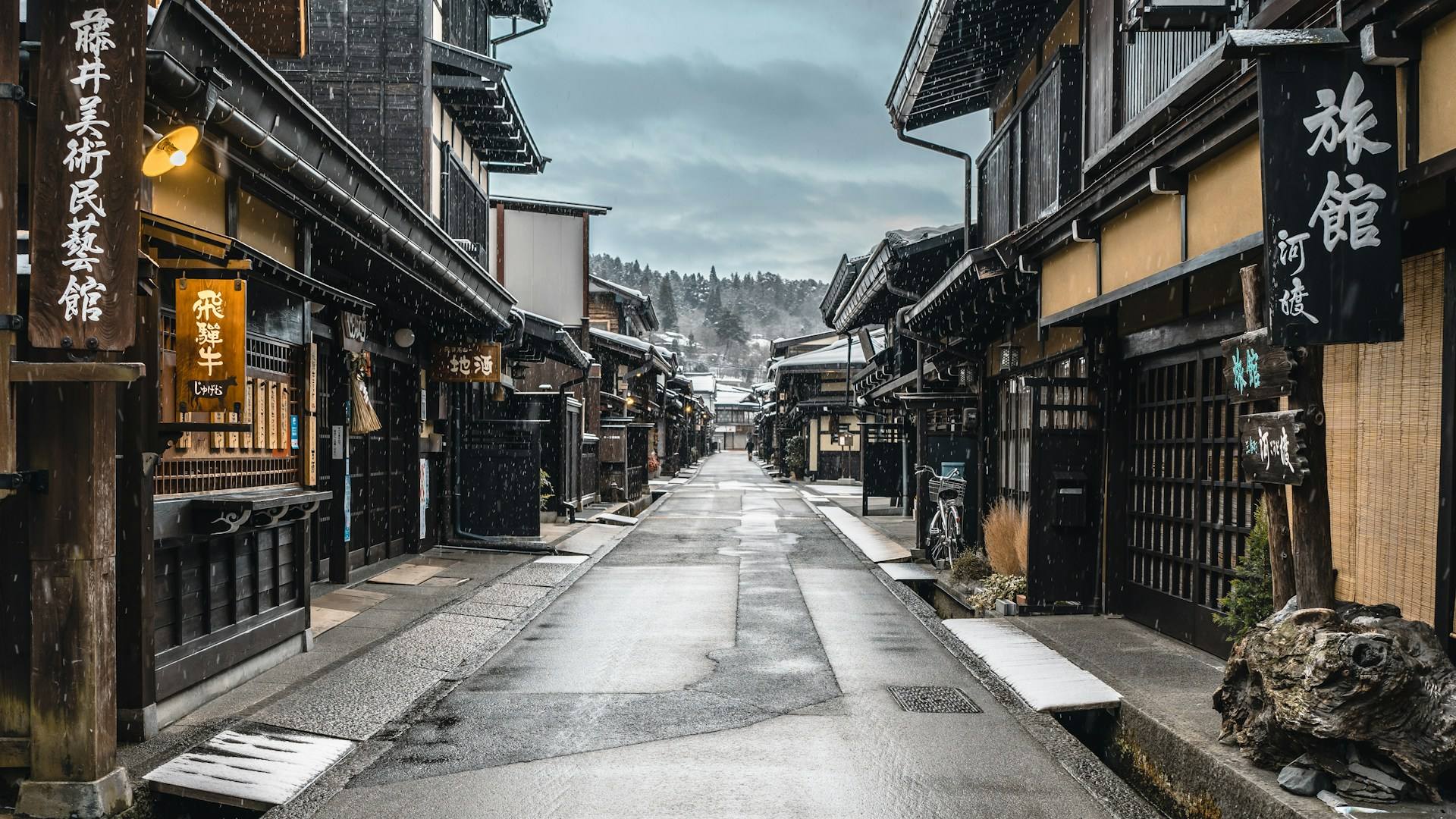
Takayama
The beautifully preserved merchant town of Takayama offers traditional streetscapes, morning markets, and some of Japan's finest sake breweries. The JR Takayama Line traverses stunning mountain scenery along the route.
Your JR Pass covers the entire journey, making this an excellent day trip or overnight extension. The train ride itself through the Hida mountains is a highlight.
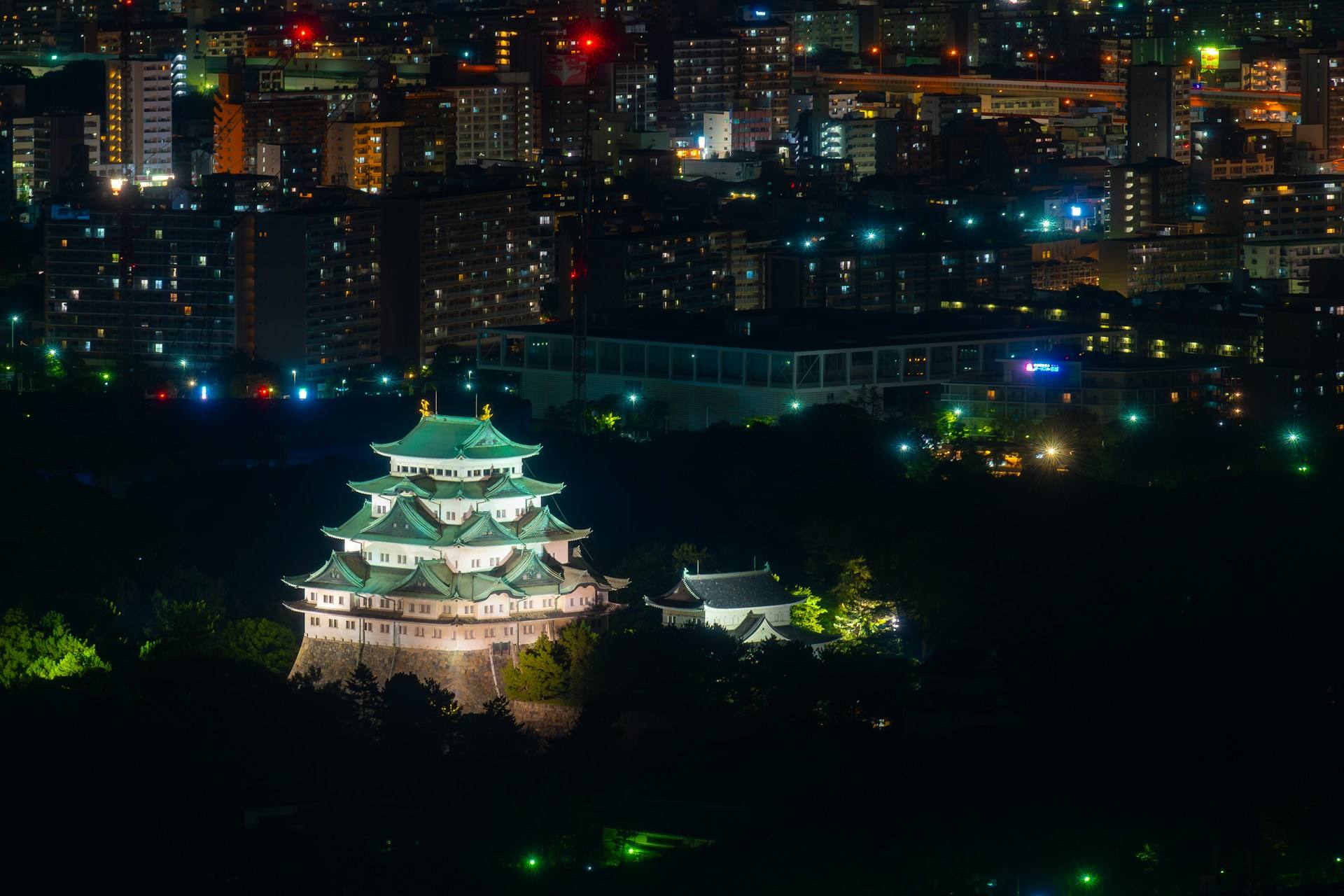
Nagoya
Japan's fourth-largest city offers Nagoya Castle, Toyota-related museums, and distinctive local cuisine like miso katsu and hitsumabushi eel. The quick JR journey makes day trips in either direction easy.
Combine Gifu's traditional atmosphere with Nagoya's urban energy for contrasting day experiences, all covered by your JR Pass.
Seasonal highlights
Gifu transforms with each season, offering unique experiences year-round.
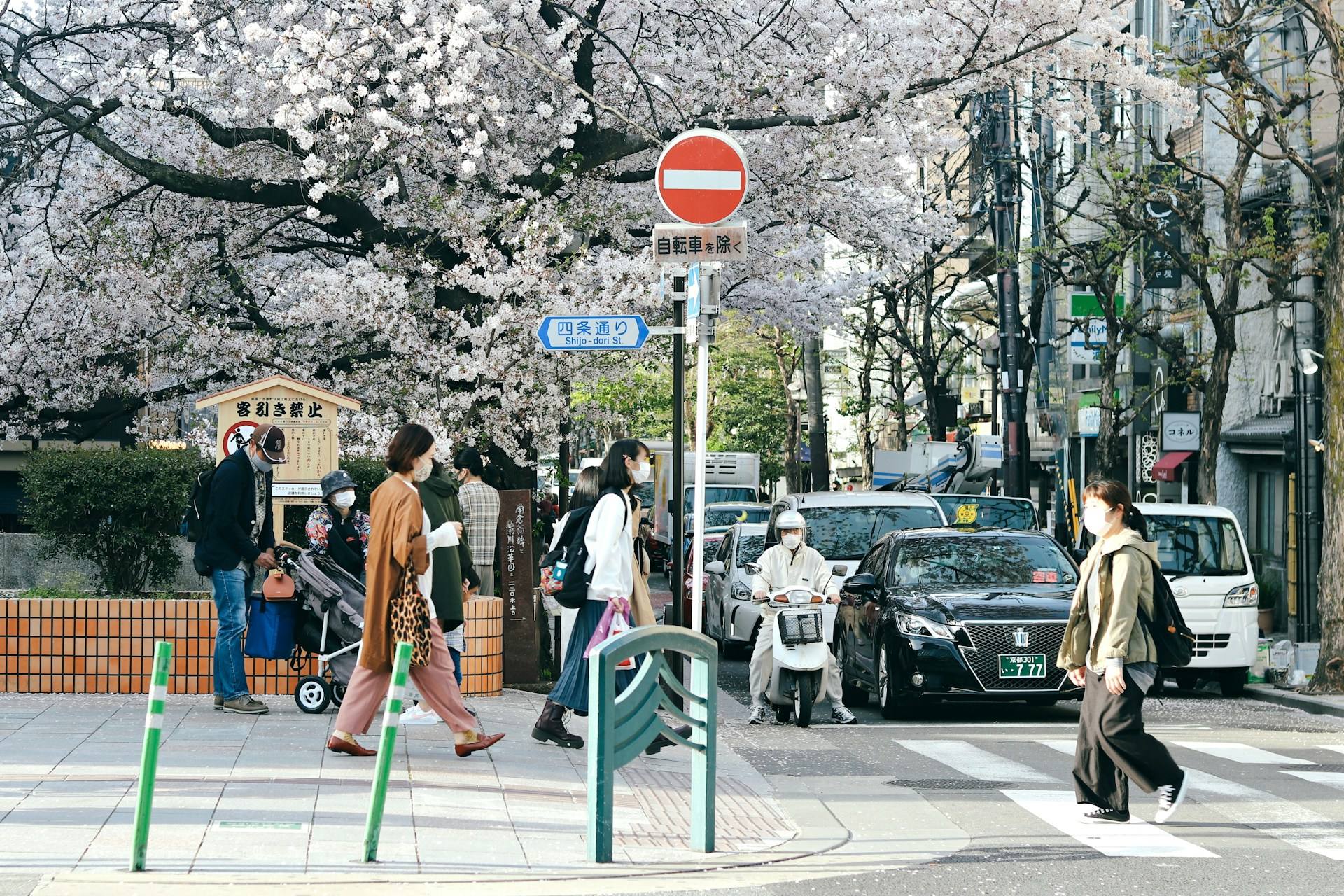
Spring
Gifu Park fills with cherry blossoms while the Nagara River banks offer peaceful hanami spots. The combination of castle, river, and flowers creates classic Japanese spring scenery.
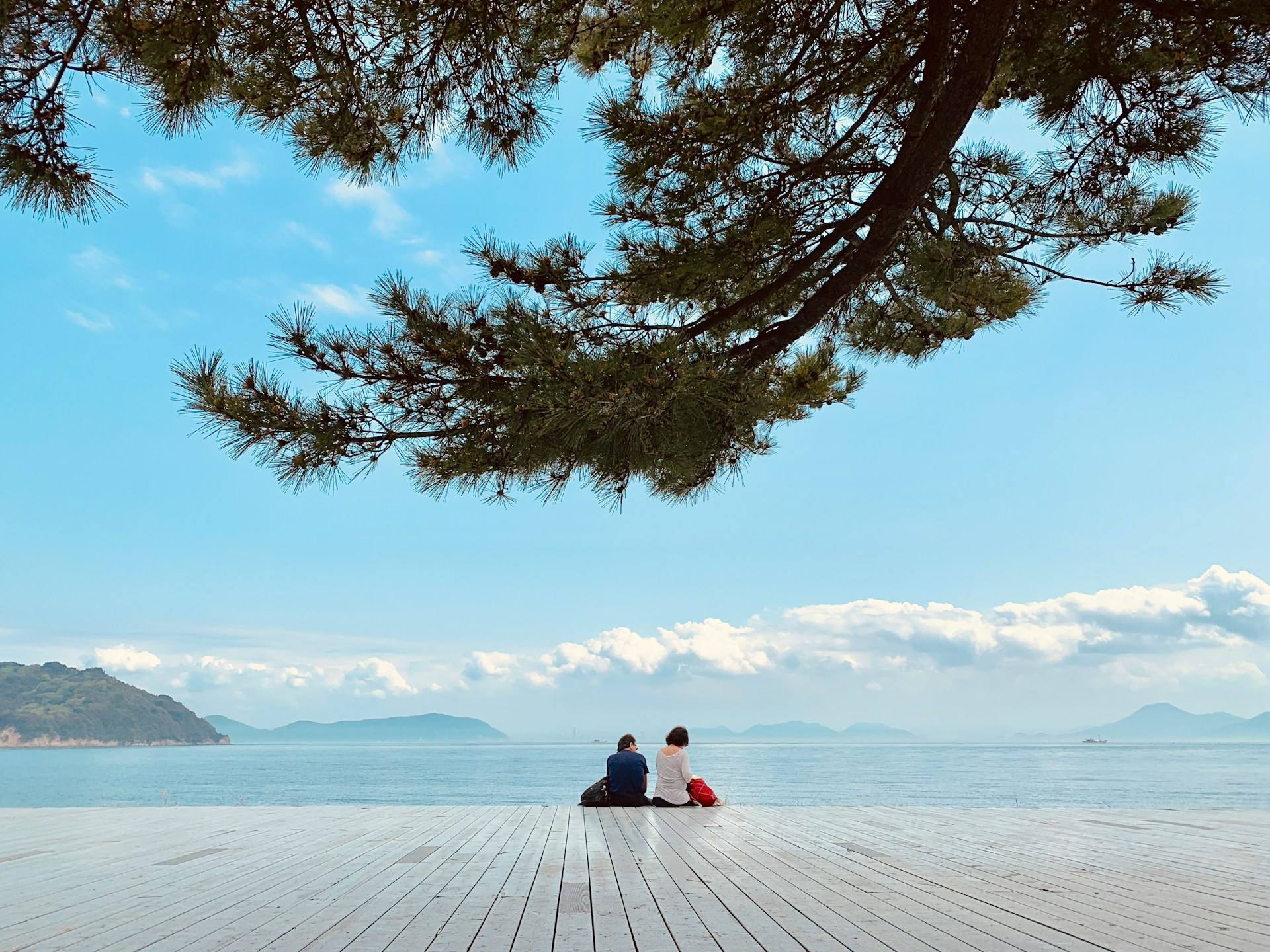
Summer
Summer brings the height of cormorant fishing season, with torchlit boats creating magical evening atmosphere. Hot days are best spent on the cooler mountain heights.
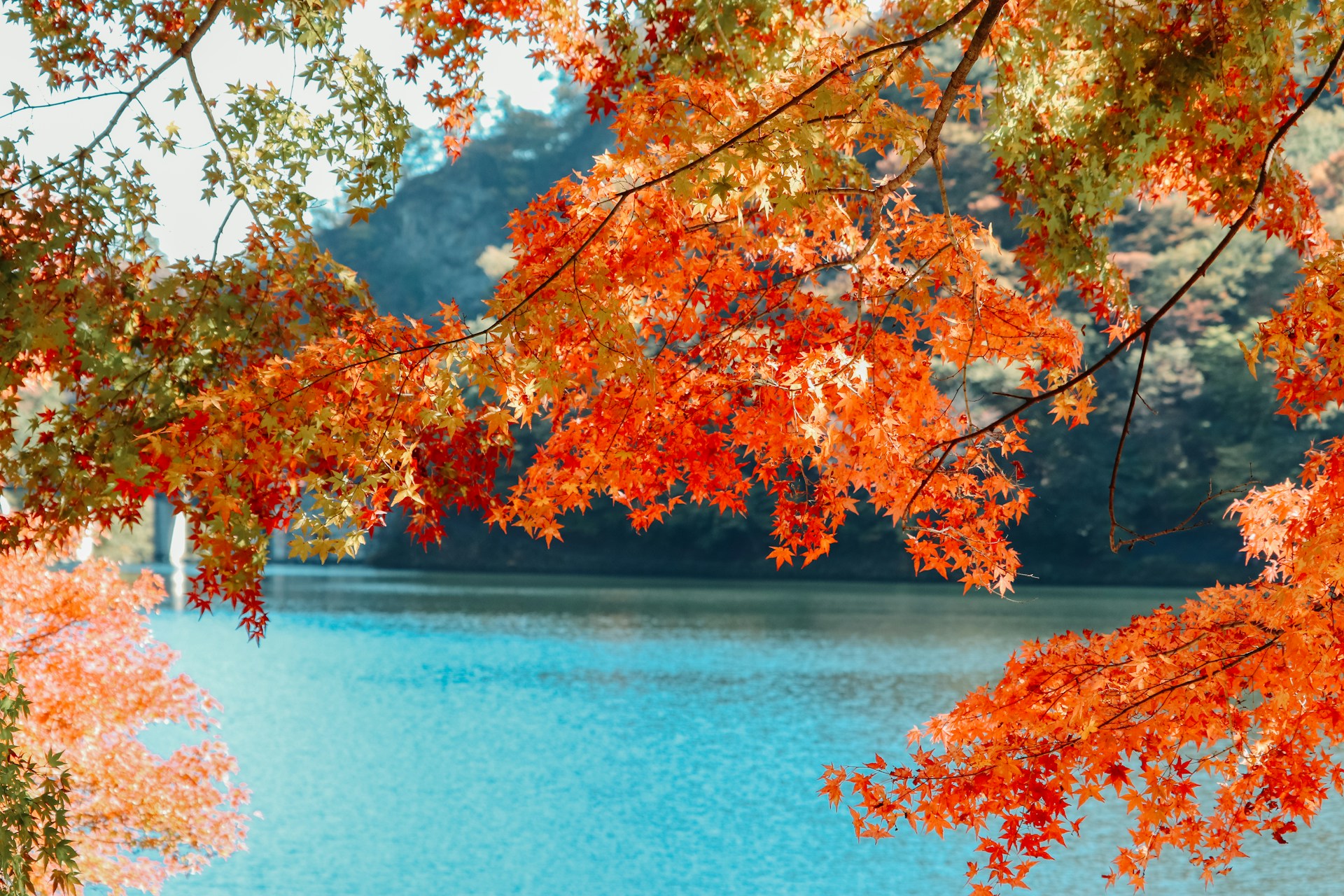
Autumn
Mount Kinka transforms with autumn colors, the ropeway offering aerial views of the changing forest. Comfortable temperatures make this ideal for castle exploration.
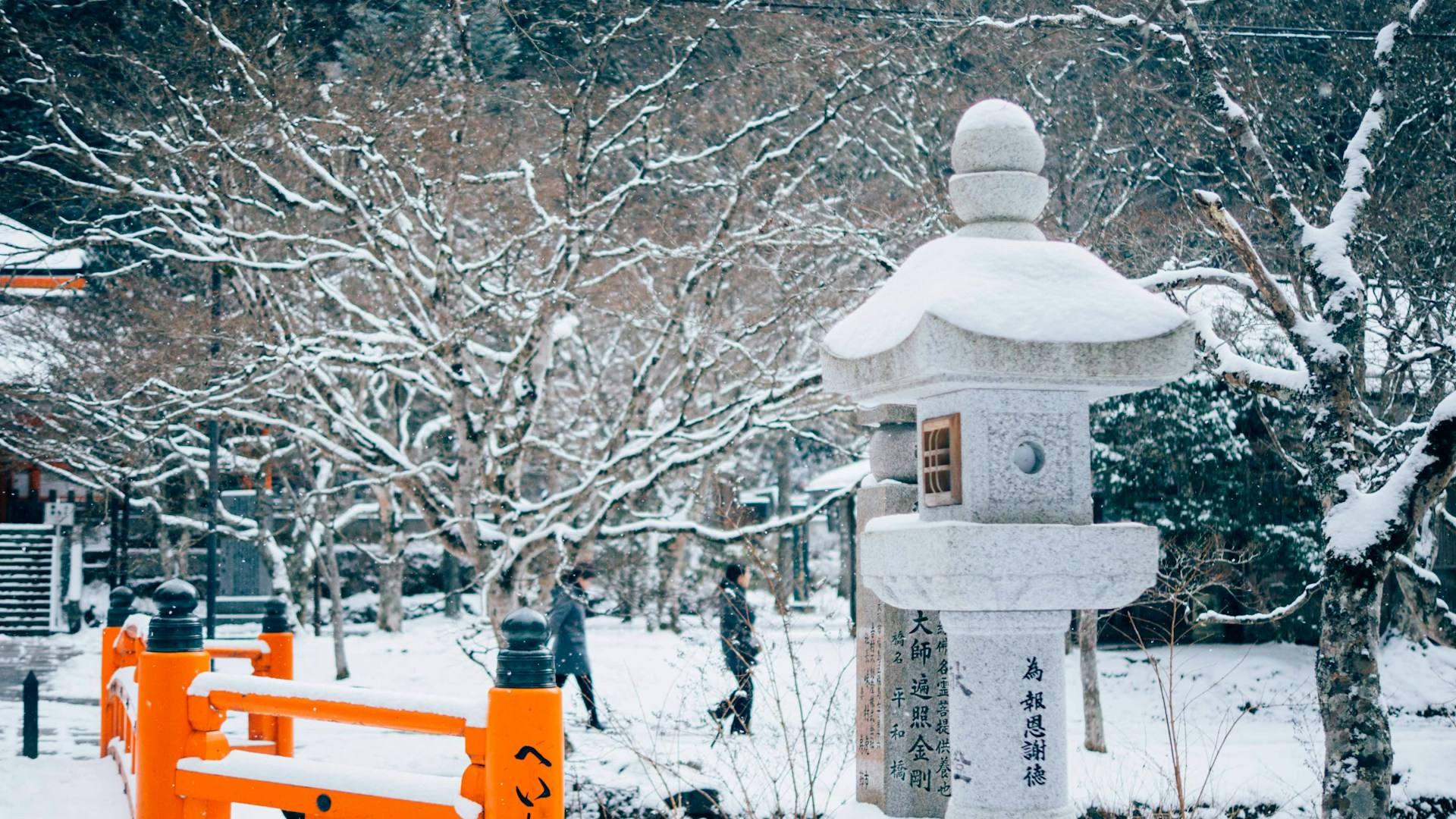
Winter
Winter offers the clearest views from Gifu Castle to the snow-capped Japanese Alps. Nearby hot springs provide warming retreats after cold-weather sightseeing.
Practical tips
Essential information for navigating Gifu smoothly.
Reservations
- Book ukai boat tours at least a few days in advance, especially for weekends and August
- The Gifu City tourist office handles reservations and can arrange English-speaking guides
- Several Kawara-machi craft workshops offer hands-on experiences making paper lanterns or umbrellas
Transport
- The Mount Kinka Ropeway operates until 22:00 on summer nights during cormorant fishing season
- Consider basing in Nagoya and day-tripping to Gifu if your schedule includes Shinkansen travel
- The quick JR connection makes Gifu easily accessible without changing hotels
Weather
- Summer evenings on the river can be cooler than daytime temperatures suggest
- Bring a light jacket for cormorant fishing boat tours even in August
- Check seasonal hours for the ropeway as they vary throughout the year
Navigate Gifu with your JR Pass
Your JR Pass covers the journey to Gifu Station via the Tokaido Main Line from Nagoya (20 minutes) or direct from Tokyo via Shinkansen to Nagoya with transfer.
Key stations
JR Pass covered
JR Tokaido Main Line, JR Takayama Line
Meitetsu Line (transfer)