
Osaka travel guide
Japan's kitchen where street food, nightlife, and infectious energy create unforgettable urban adventures.
Osaka districts
From neon-lit entertainment to historic castles - discover Osaka's vibrant neighborhoods.
Dotonbori
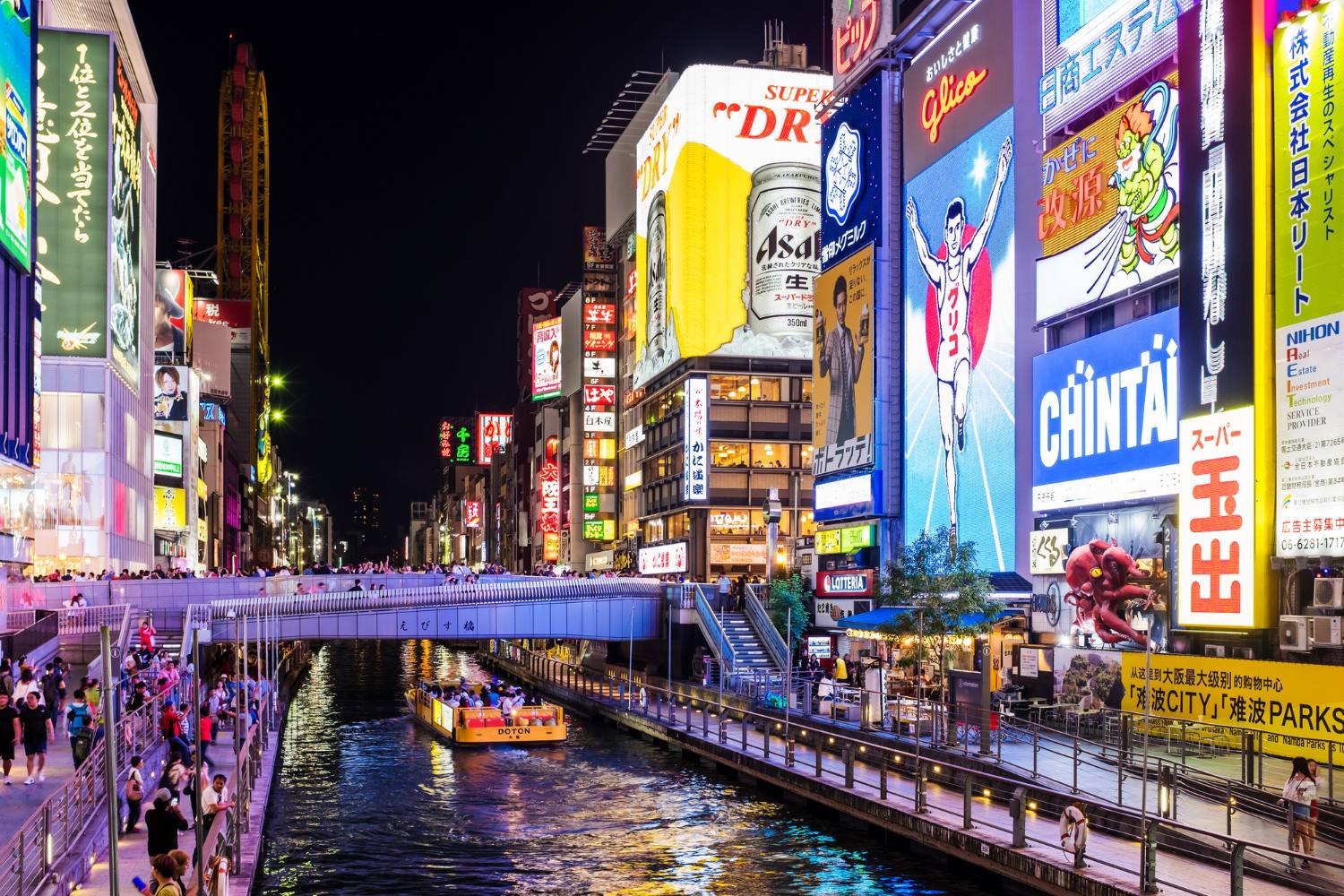
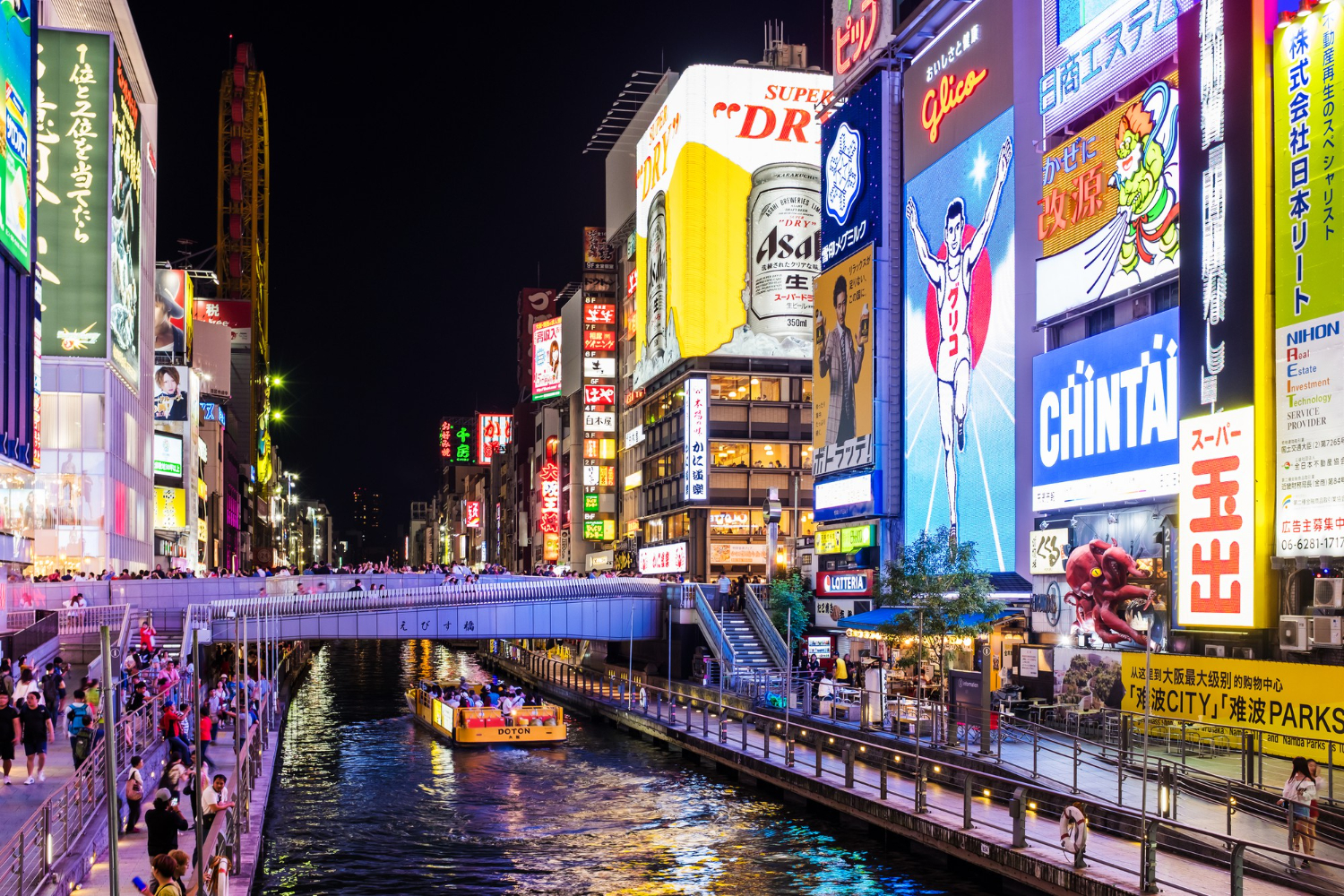
Dotonbori defines Osaka's personality - a neon-blazing entertainment strip where giant animated signs reflect in the canal below. The famous Glico Running Man has welcomed visitors since 1935, joined by oversized crabs, dragons, and puffer fish marking legendary restaurants.
This is ground zero for Osaka's street food obsession. Takoyaki (octopus balls) vendors flip batter with practiced precision while okonomiyaki griddles sizzle with savory pancakes. Kushikatsu shops enforce strict "no double-dipping" sauce rules that have become cultural law.
The canal itself offers boat cruises providing unique perspectives of the illuminated facades. Pedestrian bridges become photography platforms after dark when the entire strip transforms into pure sensory overload. Unlike reserved Kyoto, Dotonbori welcomes noise, crowds, and shameless enjoyment. This is where Osaka's famous friendliness and food obsession merge into unforgettable experiences.
Shinsekai
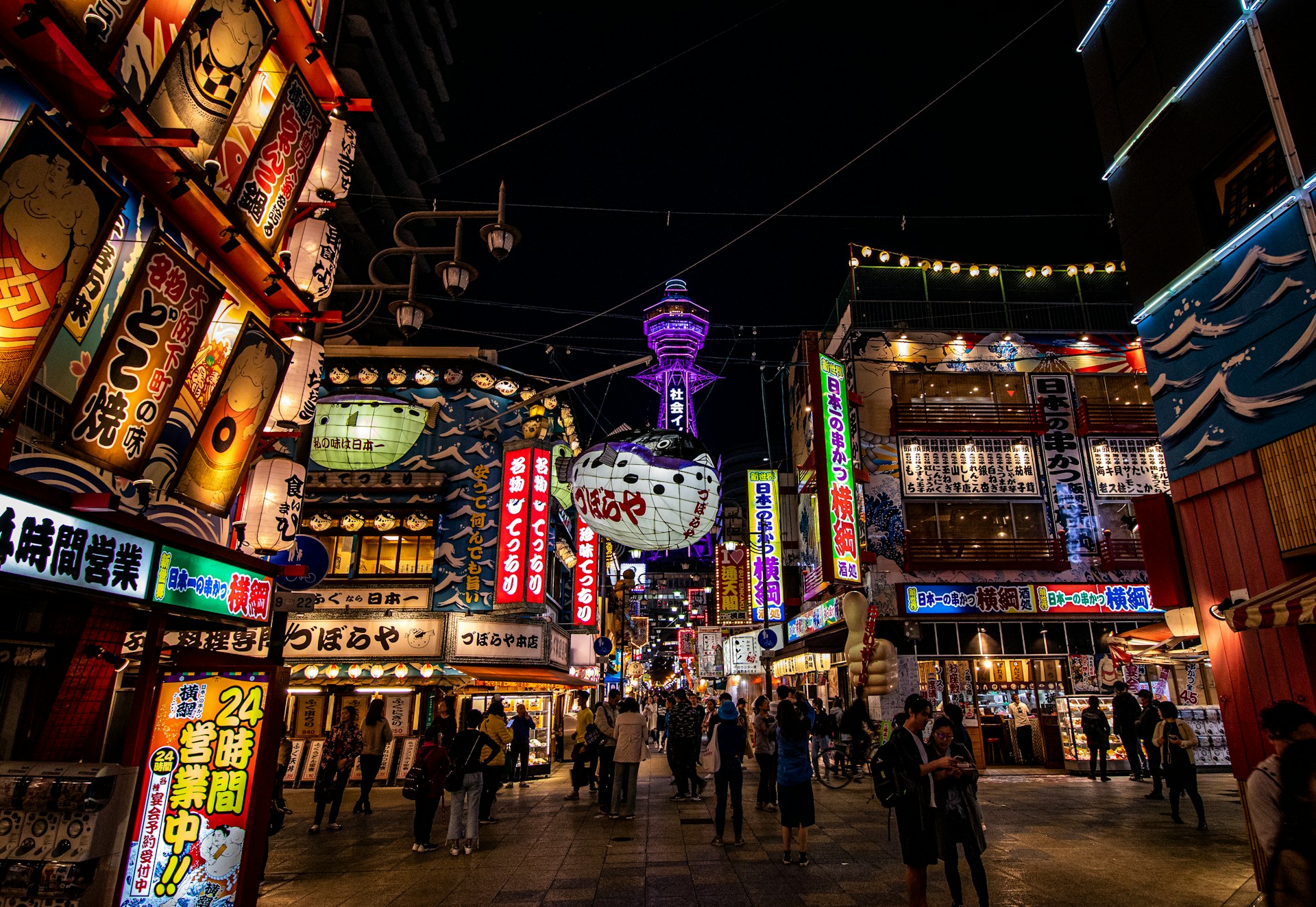
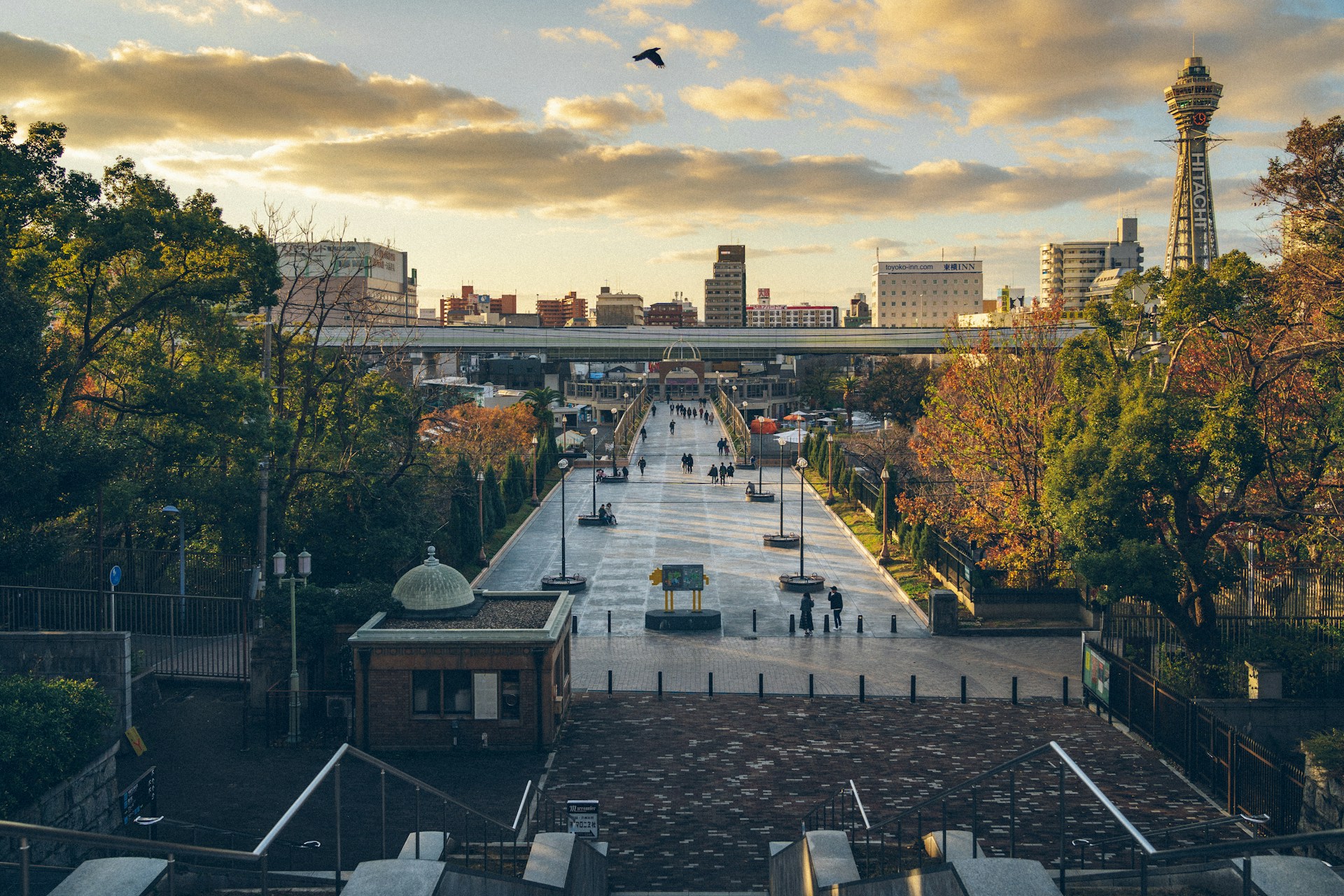
Shinsekai ("New World") preserves Osaka's working-class soul - a retro entertainment district built in 1912 combining Parisian and New York influences, now frozen in mid-century charm. Tsutenkaku Tower rises above narrow lanes packed with kushikatsu restaurants and old-school game parlors.
The district's golden age passed decades ago, leaving behind atmospheric decay that attracts those seeking authentic rather than polished Japan. Kushikatsu (deep-fried skewers) originated here, and dozens of restaurants compete with identical menus and the famous shared sauce rule.
Billiken, a good-luck figure with pointed head and mischievous grin, appears everywhere - rubbing his feet supposedly brings fortune. Jan-jan Yokocho arcade hosts shogi players, cheap eateries, and a distinctly local atmosphere rarely encountered by tourists. Evening visits capture Shinsekai's neon glow and working-class energy that defined Osaka before modernization smoothed rougher edges.
Umeda
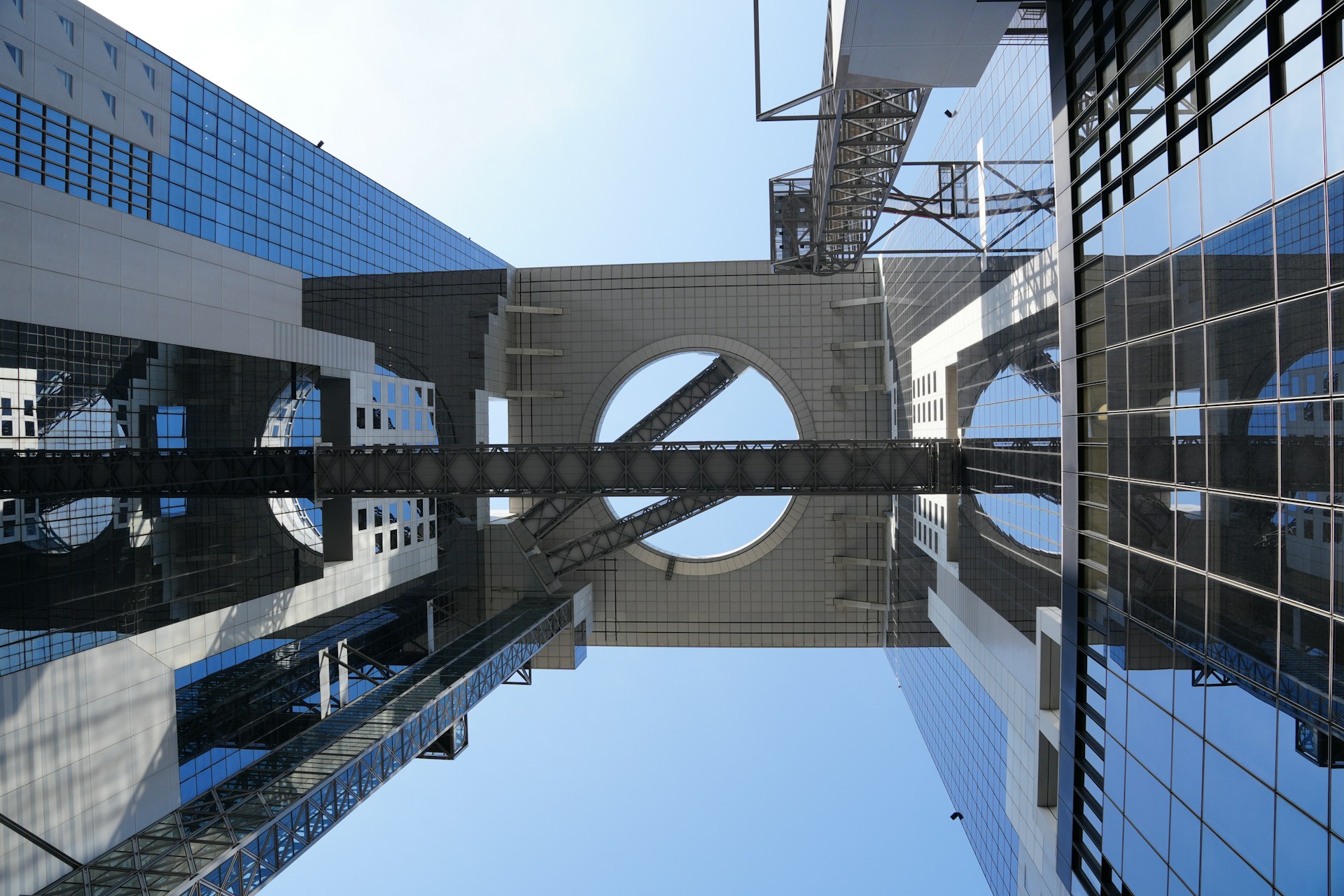
Umeda represents Osaka's modern face - a commercial hub surrounding JR Osaka Station with interconnected underground malls, towering department stores, and the futuristic Umeda Sky Building. This northern district contrasts sharply with Namba's entertainment chaos.
The Sky Building's Floating Garden Observatory connects twin towers 173 meters up via escalators through open-air tubes, offering panoramic city views day and night. The basement Takimi-koji restaurant alley recreates 1920s Osaka streetscapes with atmospheric dining.
Underground, a maze of shopping passages connects major buildings - locals navigate effortlessly while visitors inevitably get lost in the best possible way. HEP Five's rooftop Ferris wheel offers central views, while Grand Front Osaka provides upscale shopping and dining. Yodobashi Camera's massive electronics store satisfies tech hunters. Umeda rewards urban explorers who enjoy vertical cities within cities.
Namba
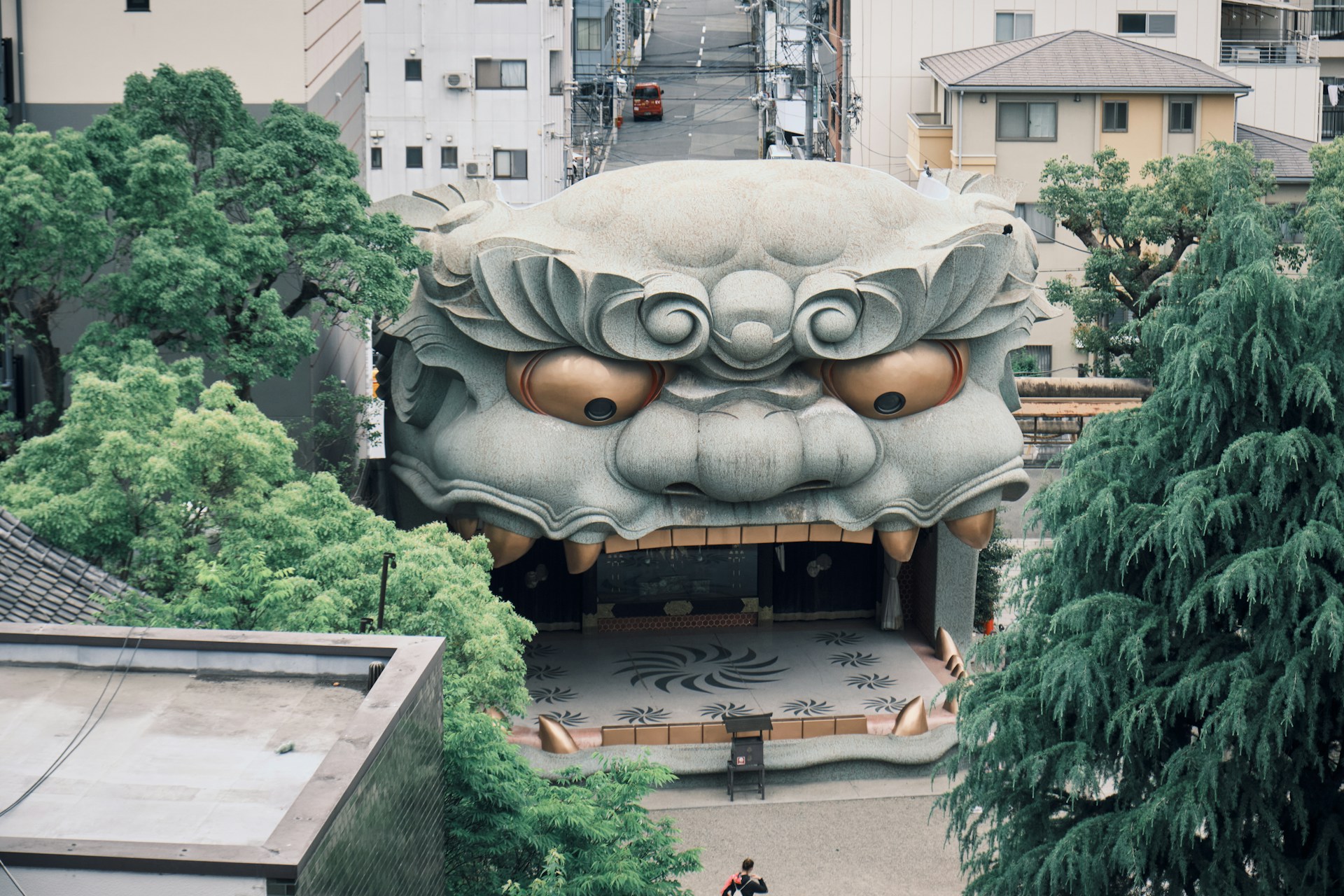
Namba anchors Osaka's southern entertainment and shopping zone, connecting to Dotonbori while offering distinct character. The district mixes massive shopping complexes with youth culture hotspots and traditional theaters.
Namba Parks transforms an old baseball stadium site into a canyon of terraced gardens rising eight stories, creating urban oasis with boutiques and restaurants. Shinsaibashi-suji, Osaka's premier shopping arcade, stretches 600 meters with everything from international brands to quirky local shops.
Amerikamura ("American Village") draws young crowds with vintage clothing, street fashion, and Triangle Park's constant people-watching. In contrast, the National Bunraku Theatre preserves Japan's sophisticated puppet theater tradition. Namba's energy pulses from morning shopping through late-night entertainment. The area's accessibility - connecting JR, private railways, and subways - makes it natural base for Osaka exploration.
Tennoji
Tennoji blends ancient spirituality with Japan's tallest skyscraper - Abeno Harukas rising 300 meters with an observation deck offering views spanning Osaka Bay to distant mountains. The district combines local neighborhood atmosphere with major attractions.
Shitennoji, founded in 593 AD, claims status as Japan's oldest officially established Buddhist temple. While rebuilt multiple times, the layout preserves the original configuration, and monthly flea markets draw bargain hunters. The adjacent park and turtle pond provide peaceful refuge.
Tennoji Zoo, dating to 1915, offers family-friendly attraction with surprisingly diverse collection. The surrounding Shinsekai district provides retro entertainment contrast to modern Harukas. Tennoji's relative lack of tourists creates opportunities for local experiences - neighborhood restaurants, traditional shopping streets, and the temple's meditative grounds reward those venturing beyond famous landmarks.
Osaka Bay
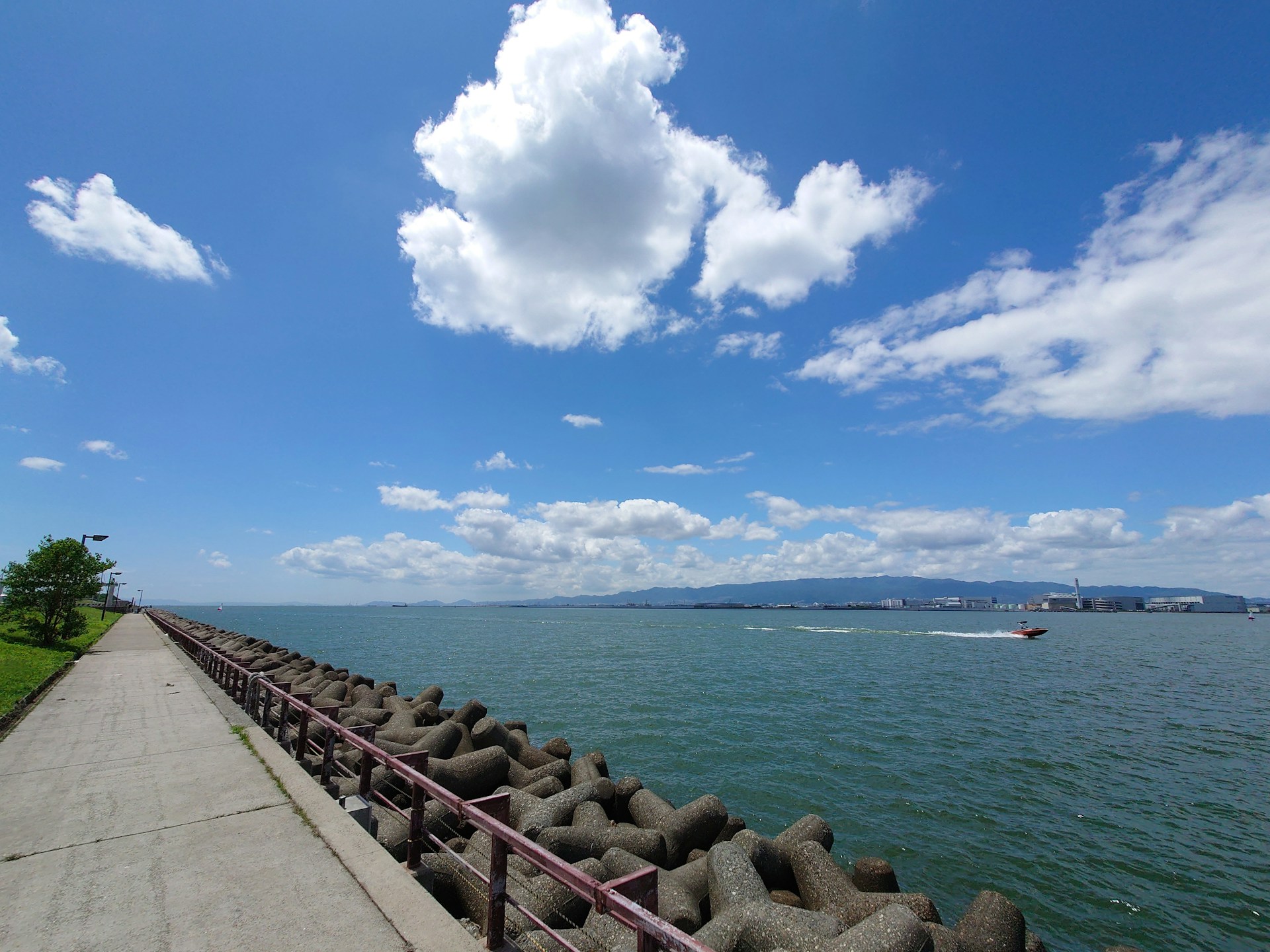
Osaka Bay's waterfront entertainment district offers family-friendly attractions along the harbor. Universal Studios Japan draws massive crowds for movie-themed rides, Harry Potter's Wizarding World, and Nintendo World's immersive gaming experiences.
Kaiyukan, one of the world's largest aquariums, houses whale sharks, manta rays, and Pacific marine life across 27 tanks arranged around a central 9-meter-deep tank. The experience begins at the top floor, spiraling down through ocean zones. Adjacent Tempozan offers the world's largest Ferris wheel (at opening) and marketplace shopping.
Sakishima Cosmo Tower provides observation deck views across the bay. Harbor cruises connect attractions while offering cityscape perspectives. The area caters primarily to domestic tourists and families, creating authentic rather than international tourist atmosphere. JR Pass covers the Yumesaki Line to Universal City Station, making day trips convenient.
Top attractions
From Universal Studios to Osaka Castle - experiences that define Osaka.
Osaka Castle
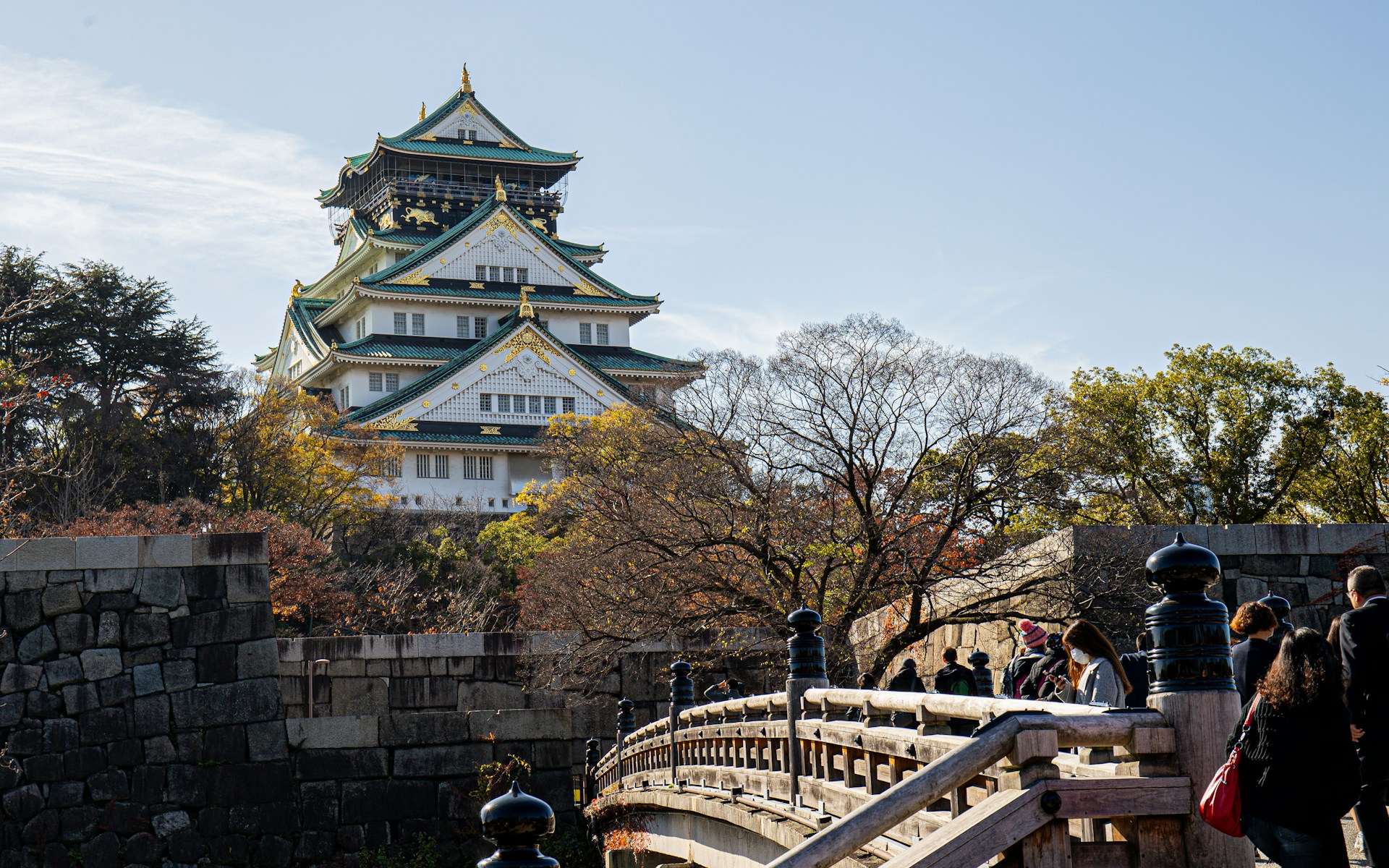
Osaka Castle embodies the city's ambitious spirit - a massive fortress originally built by Toyotomi Hideyoshi in 1583 to unite Japan under his rule. The current reconstruction, dating to 1931 with 1997 renovations, houses an excellent museum tracing Osaka's history and Hideyoshi's dramatic rise and fall.
The castle's distinctive white walls with gold accents rise from massive stone foundations that remain original, some blocks weighing over 100 tons. Interior museum exhibits include armor, weapons, and detailed dioramas of famous battles. The top-floor observation deck provides city panoramas.
Surrounding Nishinomaru Garden explodes with 600 cherry trees each spring, making it Osaka's premier hanami location. Plum blossoms precede sakura in February-March. The sprawling park offers jogging paths, paddle boats, and open spaces perfect for picnics. Evening illuminations during special periods create magical atmosphere.
Tip: Cherry blossoms and plum trees are spectacular
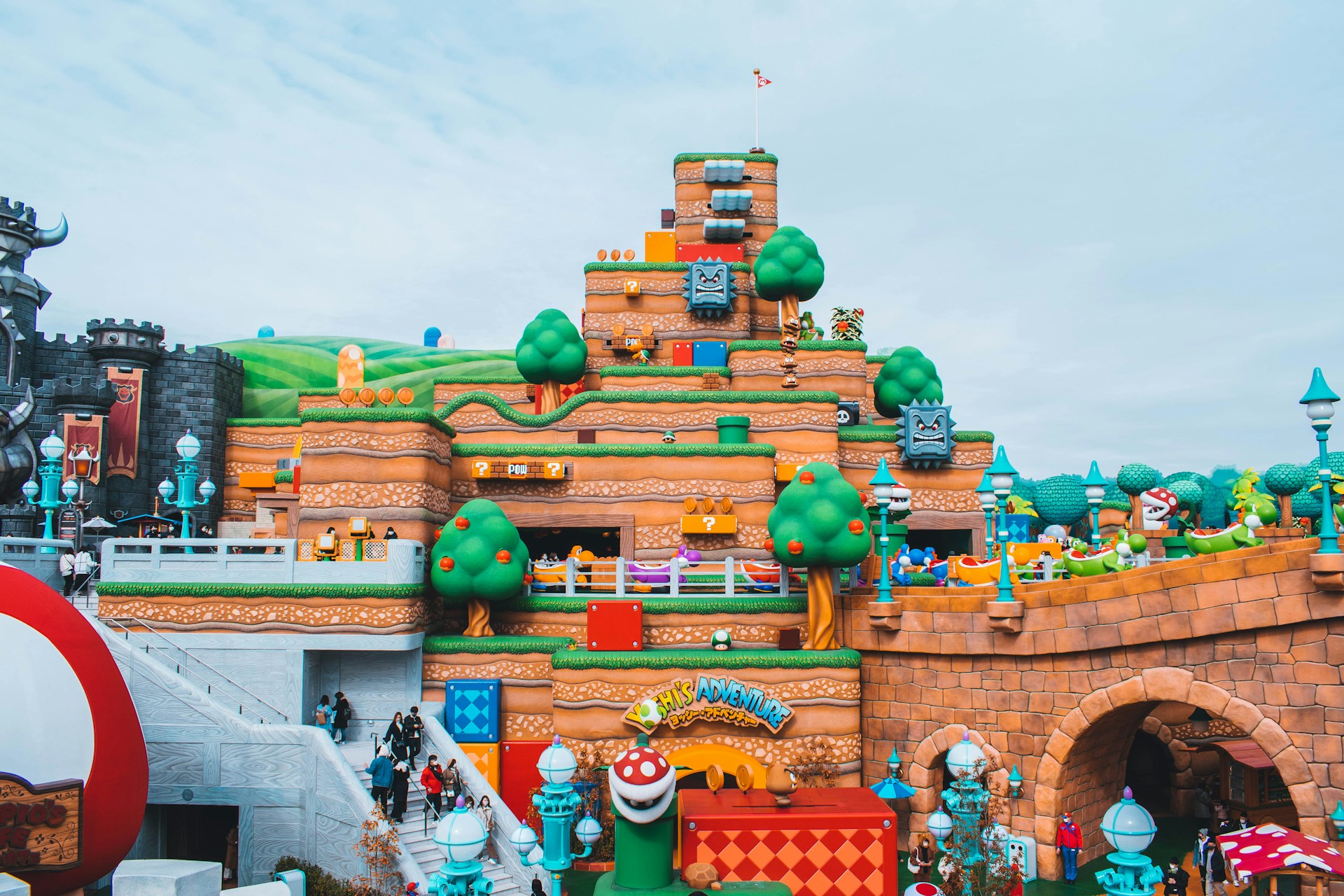
Universal Studios Japan
Universal Studios Japan consistently ranks among Asia's top theme parks, combining Hollywood classics with Japan-exclusive attractions. The Wizarding World of Harry Potter recreates Hogsmeade village and Hogwarts Castle with stunning detail, including Butterbeer and wand-choosing experiences at Ollivanders.
Super Nintendo World revolutionizes theme park immersion - Power-Up Bands track activities, Koopa Troopas patrol, and Mario Kart: Koopa's Challenge delivers augmented reality racing through Bowser's Castle. Crowds remain intense, making early morning entry essential.
Classic attractions include Jurassic World, Spider-Man, and the Hollywood Dream roller coaster. Japanese audiences appreciate horror attractions during Halloween Horror Nights, and seasonal events create return-visit appeal. Express Passes significantly reduce wait times for premium prices.
The park caters heavily to domestic visitors, with Japanese dominating signage and entertainment. JR Pass covers the journey to Universal City Station. Full days barely scratch the surface.
Tip: Buy Express Pass for popular attractions
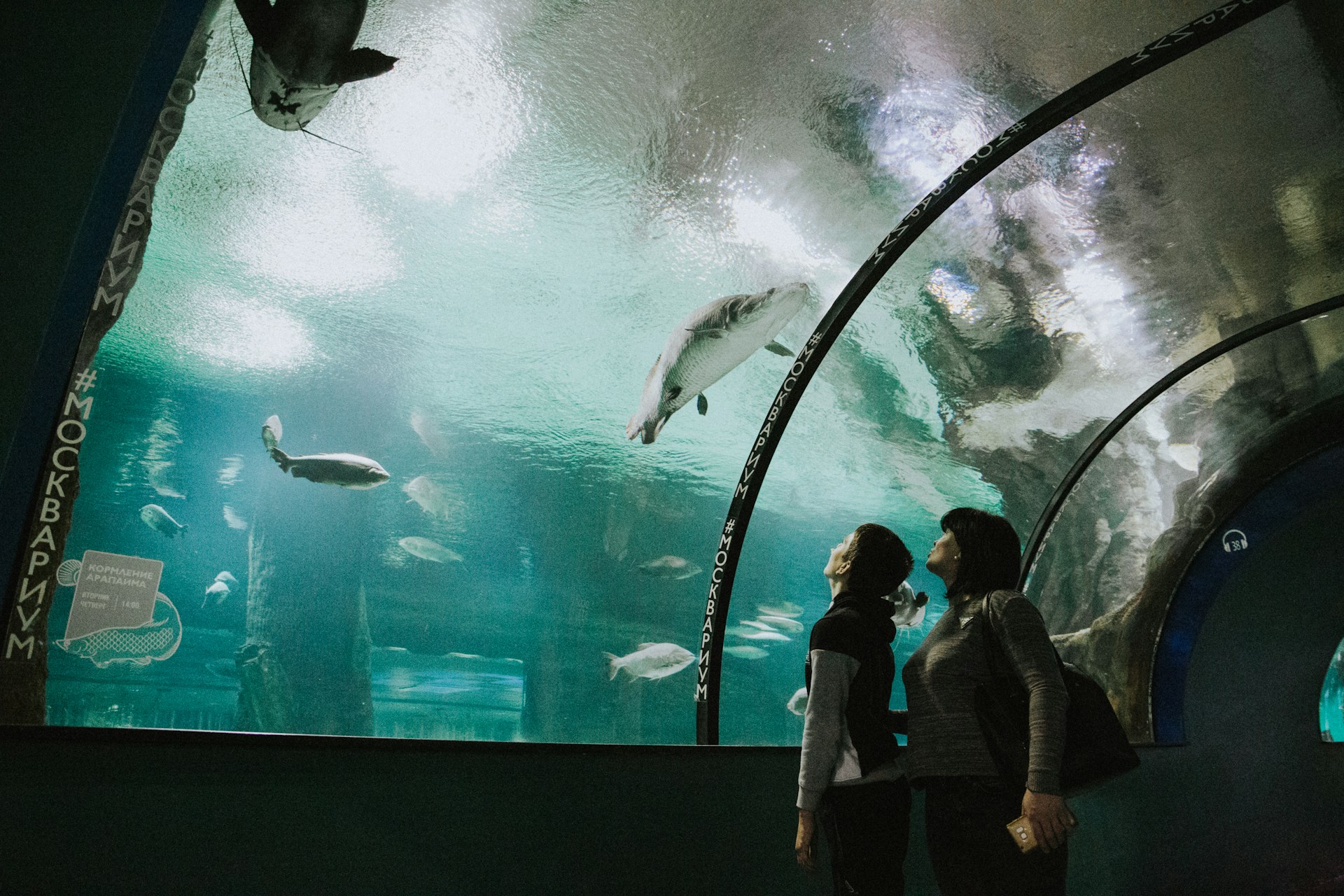
Osaka Aquarium Kaiyukan
Kaiyukan ranks among the world's finest aquariums, its centerpiece Pacific Ocean tank housing whale sharks, manta rays, and schools of tuna circling endlessly. The experience follows a descending spiral path mimicking a journey from surface waters to ocean depths.
Twenty-seven tanks recreate environments from the Pacific Rim - Antarctic penguins, California sea lions, Monterey Bay jellyfish, and Japanese giant crabs. The Ring of Fire theme connects volcanic Pacific nations through their marine ecosystems. Interactive touch pools allow contact with rays and small sharks.
Night aquarium events during summer months offer romantic atmosphere with reduced crowds and special lighting. The adjacent Tempozan Harbor Village includes a Ferris wheel, marketplace, and dining options. Osaka's working harbor provides industrial backdrop contrasting with marine delicacy inside.
Allow 2-3 hours for thorough exploration. The gift shop's plush whale sharks have become Osaka souvenirs rivaling takoyaki keychains.
Tip: Feeding times add excitement
Dotonbori
Dotonbori's neon-blazing canal represents Osaka's exuberant soul - giant mechanical signs advertising restaurants, theaters, and entertainment venues reflecting in waters below. This is Japan's most photographed street food destination and Osaka's commercial heart since the 1600s.
The iconic Glico Running Man has welcomed visitors since 1935, joined by a 3D Kani Doraku crab, Kinryu ramen dragon, and countless other animated advertisements. Bridges provide prime photography positions, especially Ebisubashi where crowds gather nightly for selfies with the Glico sign.
Canal cruises offer unique perspectives of the illuminated facades from water level. Street vendors line the pedestrian walkways selling takoyaki, okonomiyaki, and gyoza. The famous "kuidaore" philosophy - eating until you drop - originated here. Entertainment ranges from traditional Bunraku puppet theater to modern pachinko parlors. Dotonbori never truly closes, though peak energy occurs between dinner and midnight.
Tip: Evening illuminations peak 7-10 PM
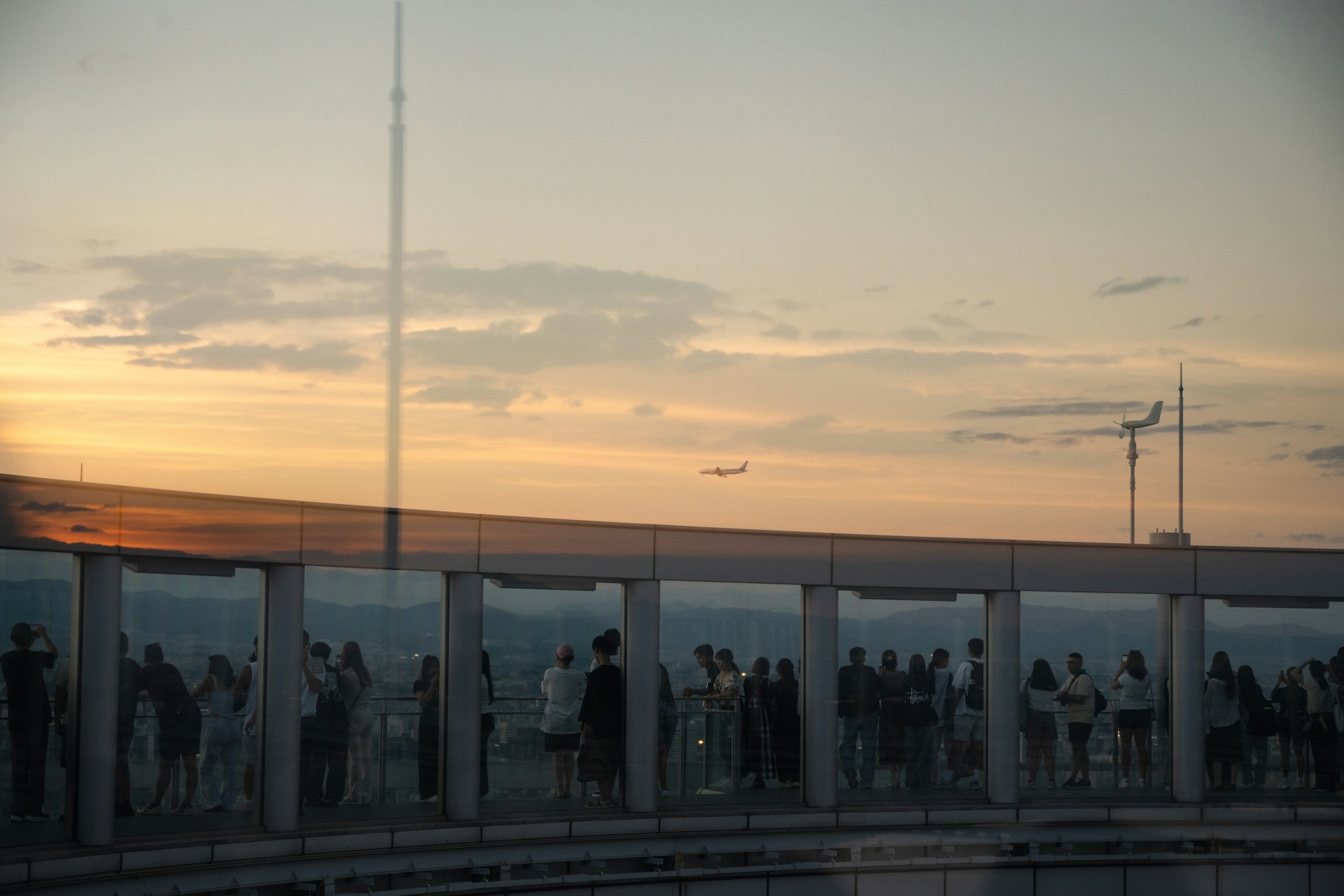
Umeda Sky Building
The Umeda Sky Building's Floating Garden Observatory offers Osaka's most distinctive viewing experience - twin 40-story towers connected by circular observation deck reached via open-air escalators through the sky. The 1993 design appears in numerous "world's most unusual buildings" lists.
The journey up builds anticipation: glass-enclosed escalators rise between towers before emerging onto the 39th floor indoor gallery. An additional escalator ascends to the open-air rooftop 173 meters up, where wind and city panoramas create exhilarating atmosphere.
Below the towers, Takimi-koji recreates 1920s Osaka streetscapes in basement restaurant alley - atmospheric lighting, vintage storefronts, and traditional dishes create time-travel dining. Evening visits capture sunset transitions and illuminated cityscape, though clear days reveal distant mountains.
The walk from JR Osaka Station passes through underground passages emerging near the distinctive connected towers. The building has become Osaka landmark rivaling the castle and Tsutenkaku.
Tip: Sunset visits offer best photography
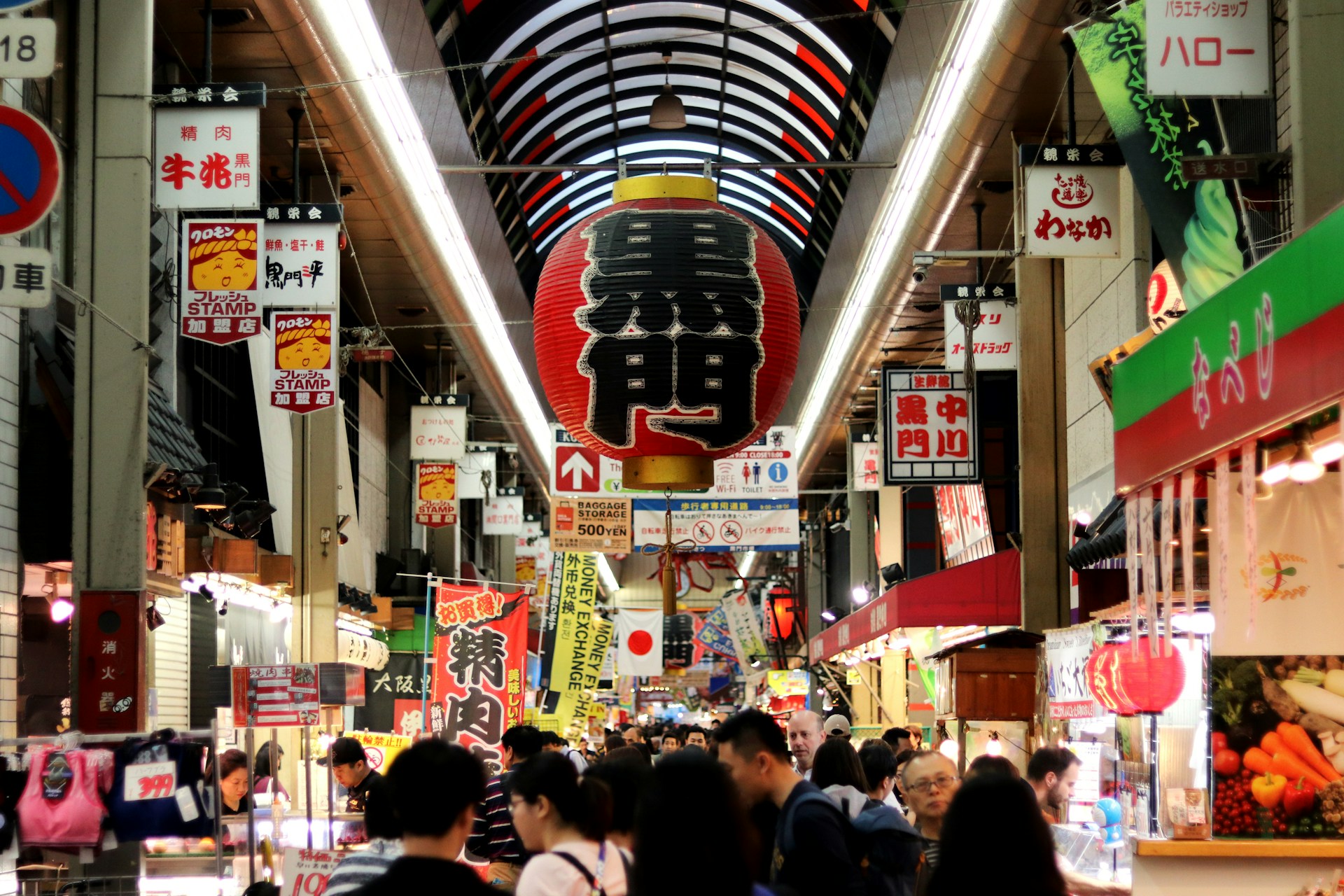
Kuromon Market
Kuromon Market has supplied Osaka's finest restaurants for over 190 years, earning the nickname "Osaka's Kitchen." This 600-meter covered arcade houses 170+ vendors selling the freshest seafood, meat, produce, and prepared foods, increasingly welcoming tourists seeking eat-as-you-walk experiences.
Giant crab legs, grilled scallops, fresh sea urchin, and tuna sashimi draw the longest queues. Vendors prepare purchases on the spot - watch chefs slice fish with precision before devouring seafood at peak freshness. Seasonal specialties like fugu (pufferfish) and matsutake mushrooms appear during limited periods.
Beyond seafood, vendors sell premium wagyu beef, tamagoyaki (Japanese omelet), fresh fruits at shocking prices, and traditional pickles. Coffee shops and casual restaurants provide seating breaks between eating adventures.
Mornings capture Kuromon at its busiest, with restaurant chefs selecting ingredients alongside food-hunting tourists. Some vendors close by mid-afternoon, so early visits ensure maximum selection and energy.
Tip: Arrive hungry before noon
teamLab Botanical Garden
teamLab Botanical Garden transforms Osaka's Nagai Botanical Garden into an otherworldly digital art experience after dark. Trees, flowers, and pathways come alive with interactive projections that respond to visitors.
The outdoor setting creates a unique blend of nature and technology, with installations changing seasonally to complement the garden's natural beauty. Unlike indoor teamLab museums, this open-air experience offers fresh perspectives on digital art.
Tip: Opens at sunset - arrive early for best experience
Street Kart Osaka
Race through Osaka's streets in costume aboard street-legal go-karts on this unforgettable experience. Drive past Dotonbori, Osaka Castle, and other landmarks while dressed as your favorite characters.
Tours run day and night, with evening tours offering especially atmospheric views of illuminated streets. International driving license required. Groups of friends create the most memorable experiences.
Tip: International driving license required
Where to eat in Osaka
Japan's kitchen offers street food, markets, and local specialties.
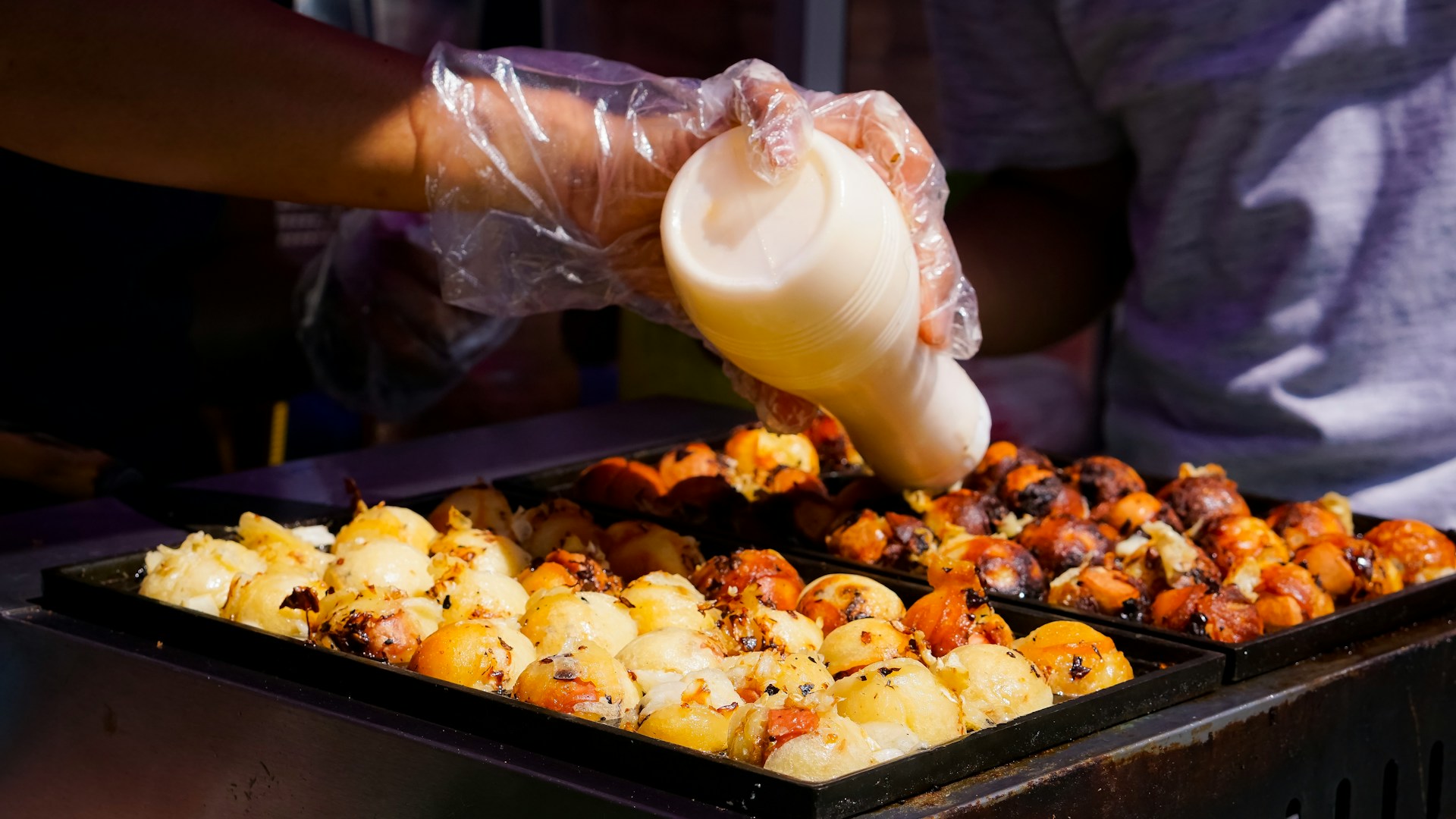
Takoyaki
Takoyaki - crispy-outside, molten-inside batter balls hiding chunks of octopus - defines Osaka street food culture. Invented in 1935 by street vendor Endo Tomekichi, these spherical snacks appear at festivals, shopping districts, and dedicated shops throughout the city.
Watch vendors flip perfectly spherical balls using picks with practiced precision on specialized cast-iron pans. Toppings vary by shop: classic mayo and bonito flakes, ponzu sauce, or green onion. Temperature warnings are serious - the molten interior can burn eager mouths.
Wanaka in Dotonbori maintains legendary status with perpetual queues. Aizuya near Tamadera claims invention credit and offers creamy, dashi-rich versions. Konamon Museum in Dotonbori teaches takoyaki making while providing history lessons. Home takoyaki pans appear in Osaka households as standard kitchen equipment, and the skill is passed through generations.
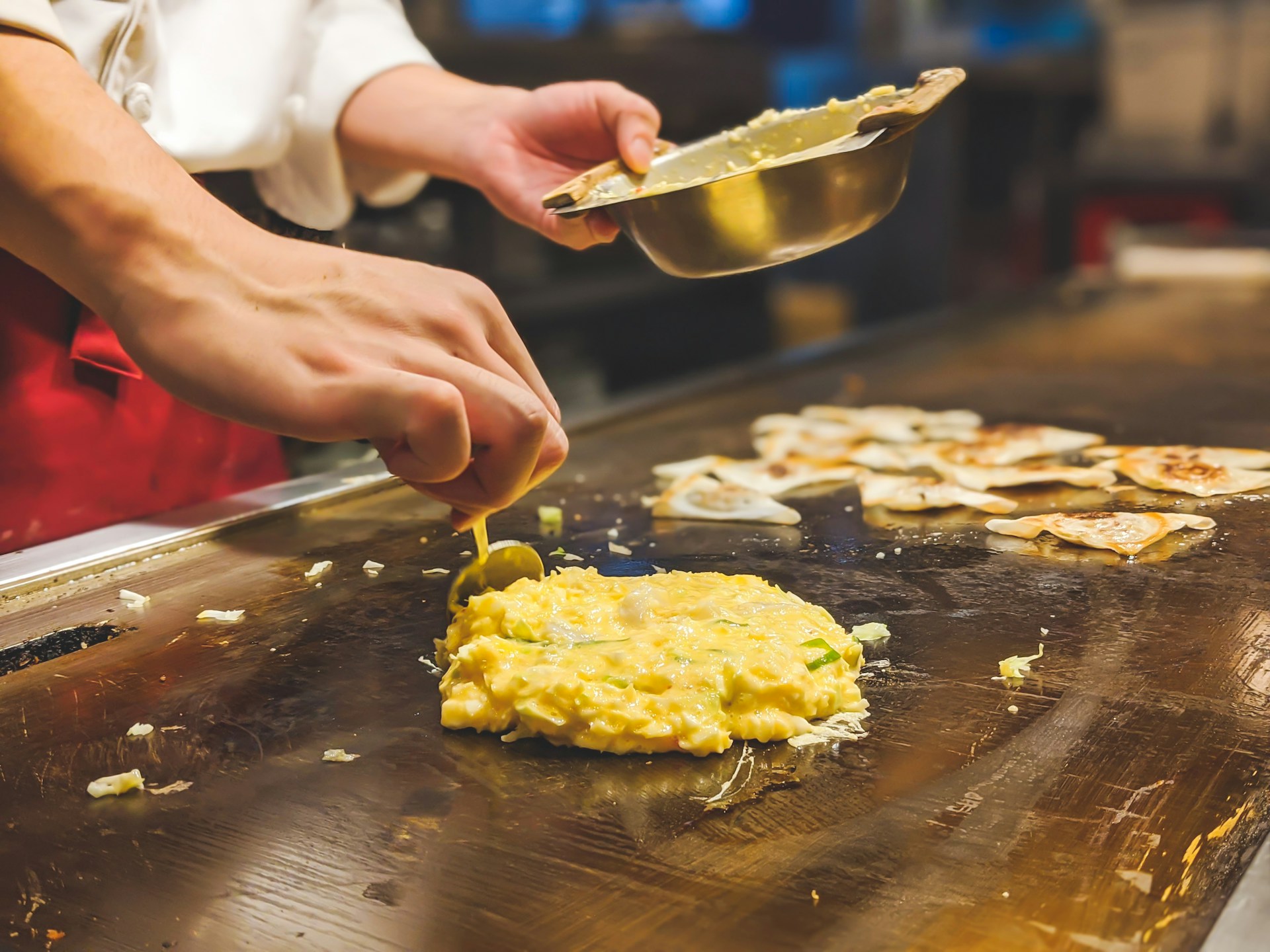
Okonomiyaki
Okonomiyaki, Osaka's savory pancake, layers cabbage, batter, and chosen fillings on sizzling griddles before receiving generous mayo, sweet sauce, and dancing bonito flakes. The name means "grilled as you like it," reflecting customization possibilities from pork to seafood to cheese.
Osaka-style cooks everything mixed together, distinguishing it from Hiroshima's layered version. Restaurants divide between staff-cooked (safer for tourists) and DIY griddles (fun but risky for beginners). Mizuno in Namba has refined recipes since 1945, while Chibo claims invention credit with branches nationwide.
The theater of cooking - batter bubbling, ingredients sizzling, spatulas flipping - provides entertainment before eating. Most shops install griddles into tables, keeping okonomiyaki warm throughout meals. Pair with beer and you'll understand why Osakans claim food superiority over Tokyo. Adventurous eaters try negiyaki (green onion version) or modanyaki (noodle-topped hybrid).
Kushikatsu
Kushikatsu - deep-fried skewers of meat, seafood, and vegetables - originated in Osaka's Shinsekai district as working-class sustenance. The legendary "no double-dipping" sauce rule exists because communal sauce pots sit tableside, and hygiene demands single dips only.
Skewers arrive in rapid succession: pork, lotus root, shrimp, asparagus, cheese, and seasonal vegetables. Panko breadcrumb coating creates satisfying crunch while interiors remain tender. Cabbage leaves accompany meals, serving as sauce scoops for those wanting more flavor without rule-breaking.
Daruma's fierce mascot guards the original Shinsekai location since 1929. Janjan Yokocho alley offers multiple competing shops with near-identical menus and pricing. Counter seating allows watching chefs fry orders fresh. The dish has expanded beyond Shinsekai, but experiencing kushikatsu in its birthplace adds cultural weight to culinary pleasure.
Kuromon Market
Kuromon Market transforms grocery shopping into dining adventure - vendors prepare purchases immediately for on-the-spot consumption. This 190-year-old market supplies Osaka's top restaurants while welcoming tourists seeking the freshest possible seafood.
King crab legs grilled tableside, sea urchin served in shells, and thick-cut tuna sashimi disappear within seconds of preparation. Prices reflect quality - expect to spend freely for premium experiences. Some vendors offer seating, others assume standing consumption in narrow aisles.
Beyond seafood, discover wagyu beef skewers, premium fruits, tamagoyaki prepared fresh, and traditional sweets. The covered arcade protects from weather, creating comfortable browsing regardless of season. Arrive before noon when energy and selection peak; afternoons see vendors closing early.
Multiple market visits reveal favorites worth returning for. Unlike tourist-oriented Dotonbori, Kuromon maintains working-market authenticity even as visitor numbers increase.
Day trips from Osaka
Use your JR Pass to explore temples, castles, and historic cities.
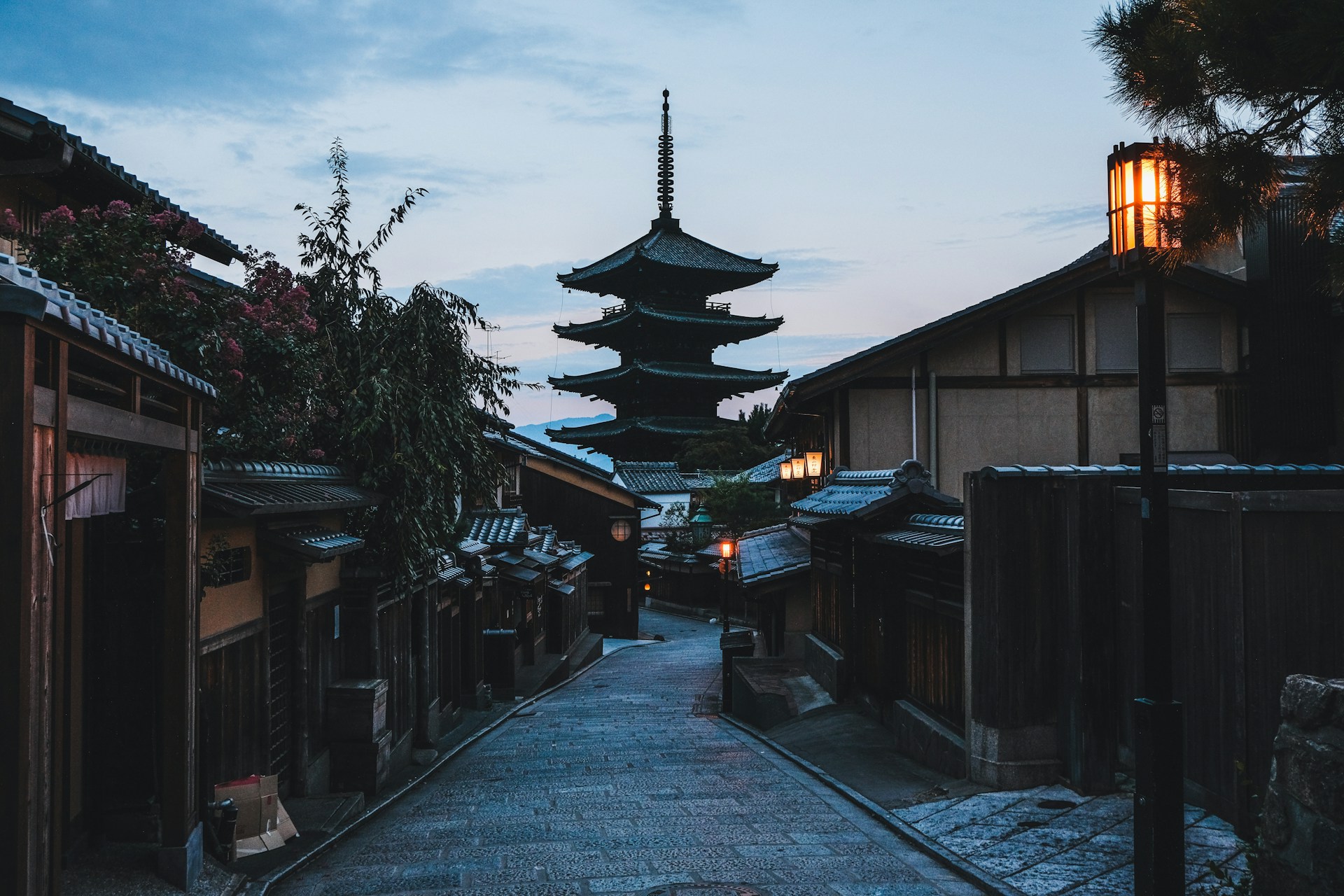
Kyoto
Kyoto sits just 15 minutes from Osaka by shinkansen (JR Pass covered), making it an essential day trip for temple lovers. The ancient capital preserves thousands of shrines, temples, and traditional districts impossible to fully explore in single visits.
Fushimi Inari's thousands of vermillion torii gates, Kinkaku-ji's golden pavilion, and Arashiyama's bamboo grove rank among Japan's most iconic sights. The Gion geisha district, Nishiki Market, and countless Zen gardens add layers of cultural immersion.
Rapid trains (also JR Pass covered) take slightly longer but stop at useful stations like Inari for Fushimi Inari Shrine. Serious temple-hoppers can explore morning to evening before returning to Osaka's livelier dining scene. Many visitors base in Osaka specifically for cheaper hotels while day-tripping to Kyoto's attractions. The proximity makes choosing between cities unnecessary.
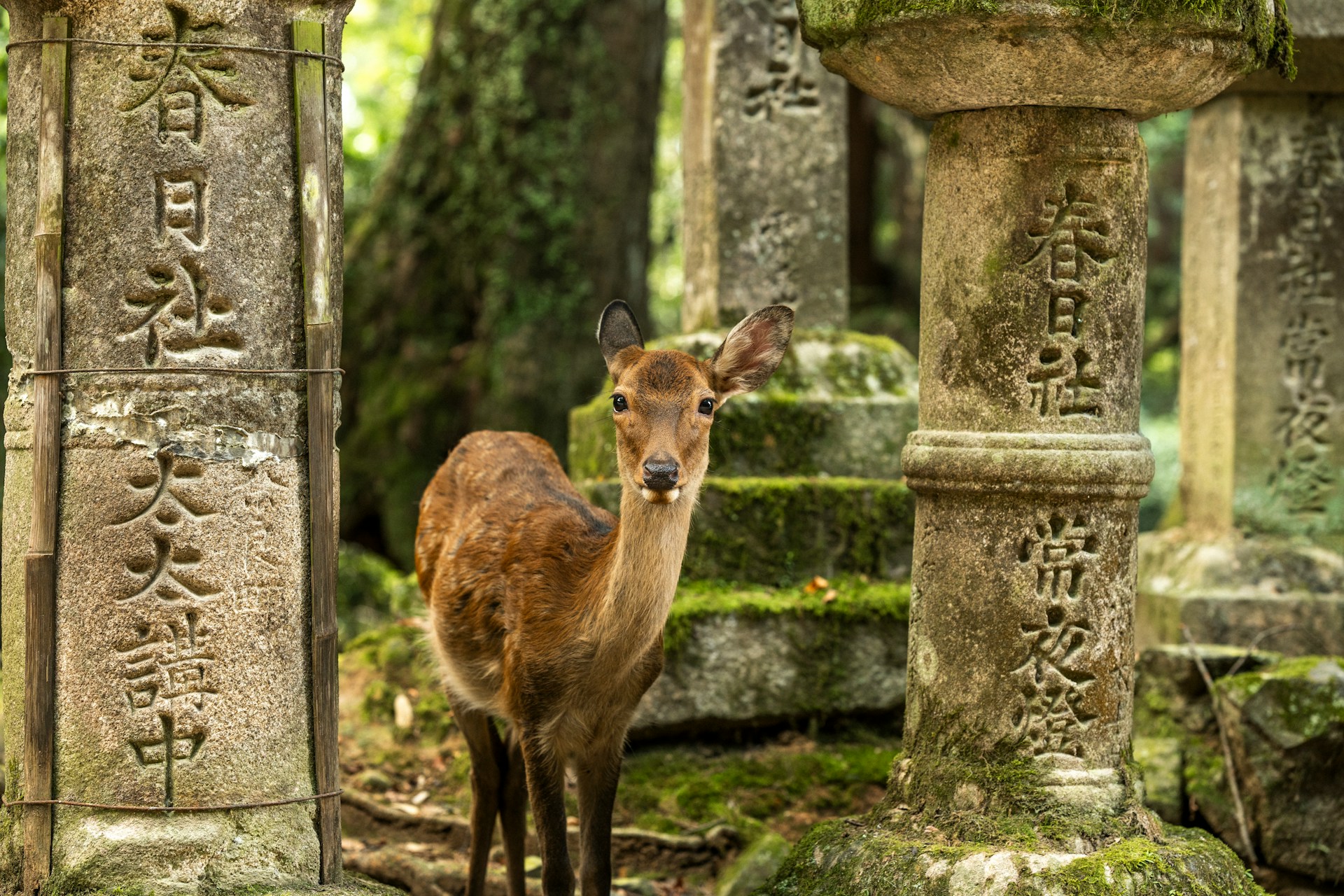
Nara
Nara offers uniquely intimate Japan encounters - 1,200 sacred deer roam freely through parkland surrounding ancient temples, bowing for treats and posing for photographs. Japan's first permanent capital (710-784) preserves magnificent structures predating Kyoto's establishment.
Todai-ji temple houses the world's largest bronze Buddha within the world's largest wooden building - statistics failing to capture the awe of standing before this 15-meter masterpiece. Kasuga Taisha shrine's approach passes thousands of stone and bronze lanterns accumulated over centuries.
The compact park area connects major sites on foot. Naramachi's preserved merchant district houses cafes, galleries, and traditional craft shops. Half-day visits work efficiently, though full days allow leisurely deer interactions and temple exploration.
JR Pass covers the journey from Osaka. Deer crackers sold throughout the park cost ¥200 - be prepared for persistent attention once deer spot your purchase.
Himeji
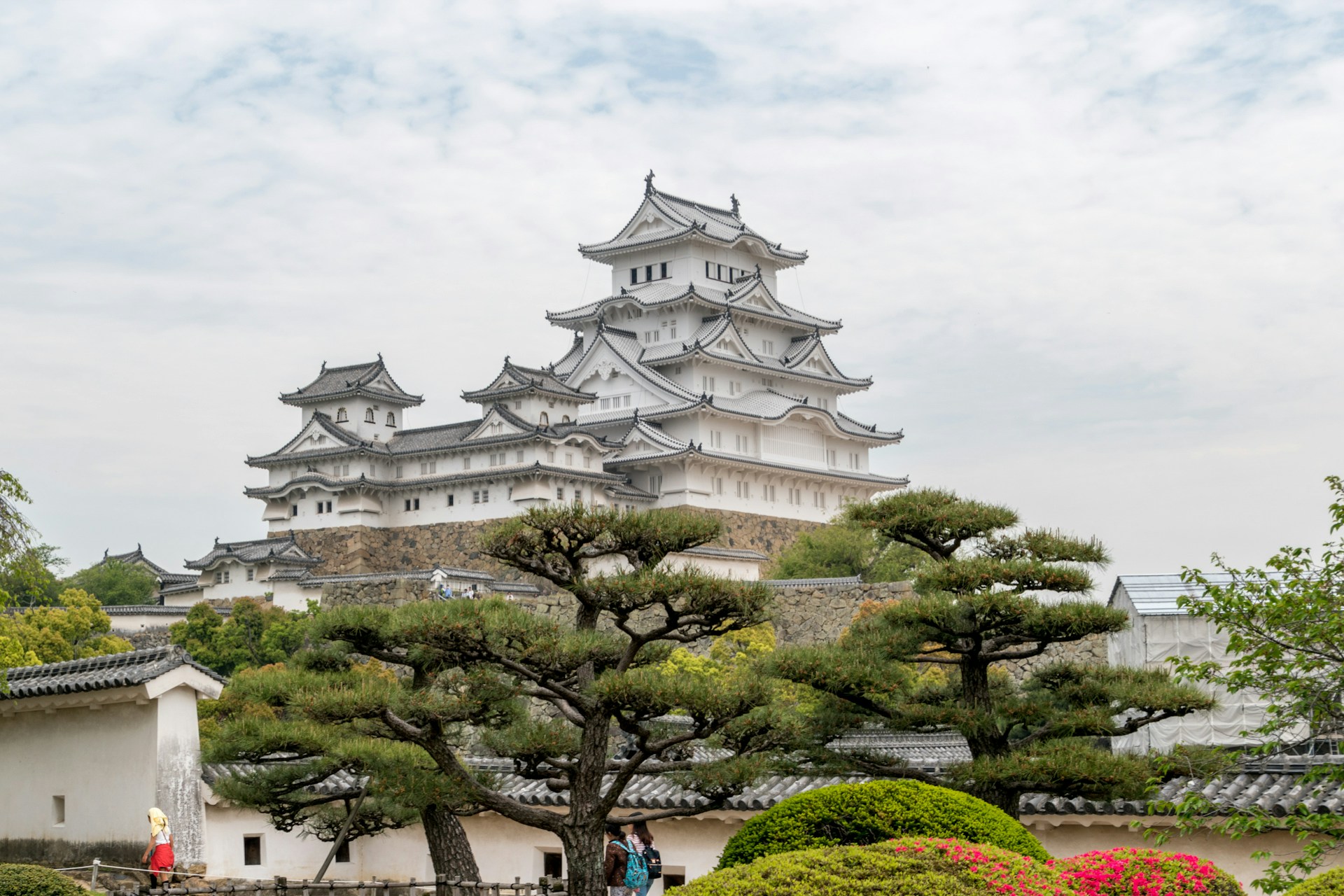
Himeji Castle represents Japan's finest original castle - pristine white walls earning its "White Heron" nickname and UNESCO World Heritage status. Unlike Osaka Castle's concrete reconstruction, Himeji's wooden interiors and defensive features survive intact from the 1600s.
The 30-minute shinkansen ride (JR Pass covered) reveals the castle rising majestically from station exit. The approach through gates and winding paths demonstrates defensive design meant to confuse attackers. Interior exploration climbs steep wooden stairs through six floors to top-floor panoramas.
Surrounding Kokoen Garden provides peaceful contrast with nine traditional landscape styles. Cherry blossom season (late March-early April) transforms grounds into pink spectacle drawing massive crowds.
Half-day visits suffice for castle and garden exploration. The shinkansen return makes Himeji easy to combine with Kobe or Kyoto for full-day Kansai adventures. Serious photographers want morning light on the white walls.
Kobe
Kobe's sophisticated port city atmosphere offers refined contrast to Osaka's boisterous energy. Famous worldwide for marbled wagyu beef, Kobe blends international influences from its trading port history with Japanese elegance.
Kobe beef at source remains expensive but achievable - lunch sets at established restaurants like Mouriya offer quality experiences around ¥5,000-15,000. Watch chefs grill prized cuts tableside on teppan griddles, the fat melting into rich, buttery texture impossible to replicate elsewhere.
Beyond beef, explore Kitano-cho's foreign residences from Kobe's international trading era, now housing museums and cafes. Harborland's waterfront development offers shopping and bay views. Chinatown (Nankinmachi) provides casual dining alternatives.
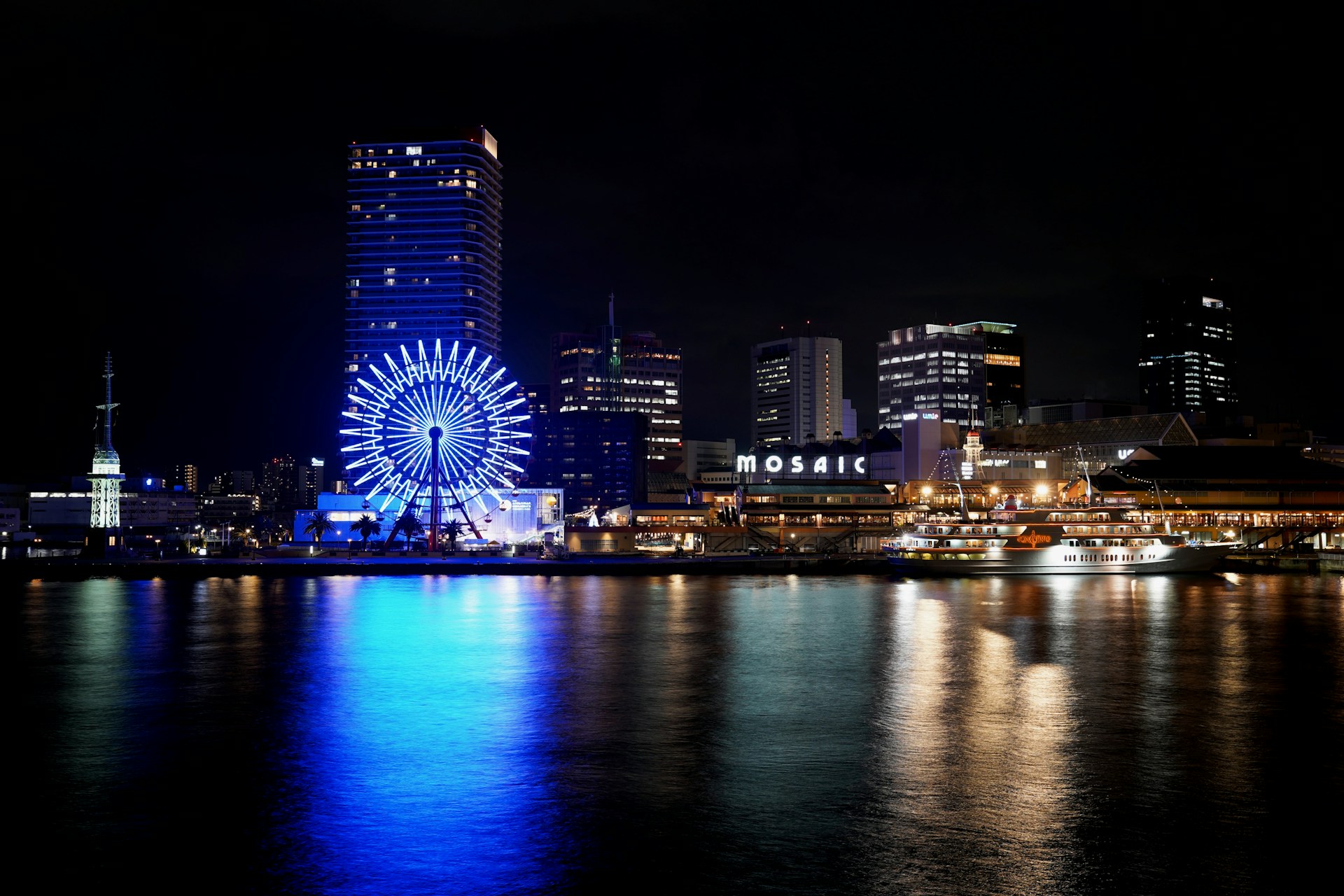
Mount Rokko cable car ascends to observation points overlooking the bay, particularly stunning after dark when Kobe's famous night views sparkle. The 20-minute JR journey makes evening trips convenient, returning to Osaka after dinner.
Shopping in Osaka
From shopping arcades to otaku paradise - find something for everyone.
Shinsaibashi-suji
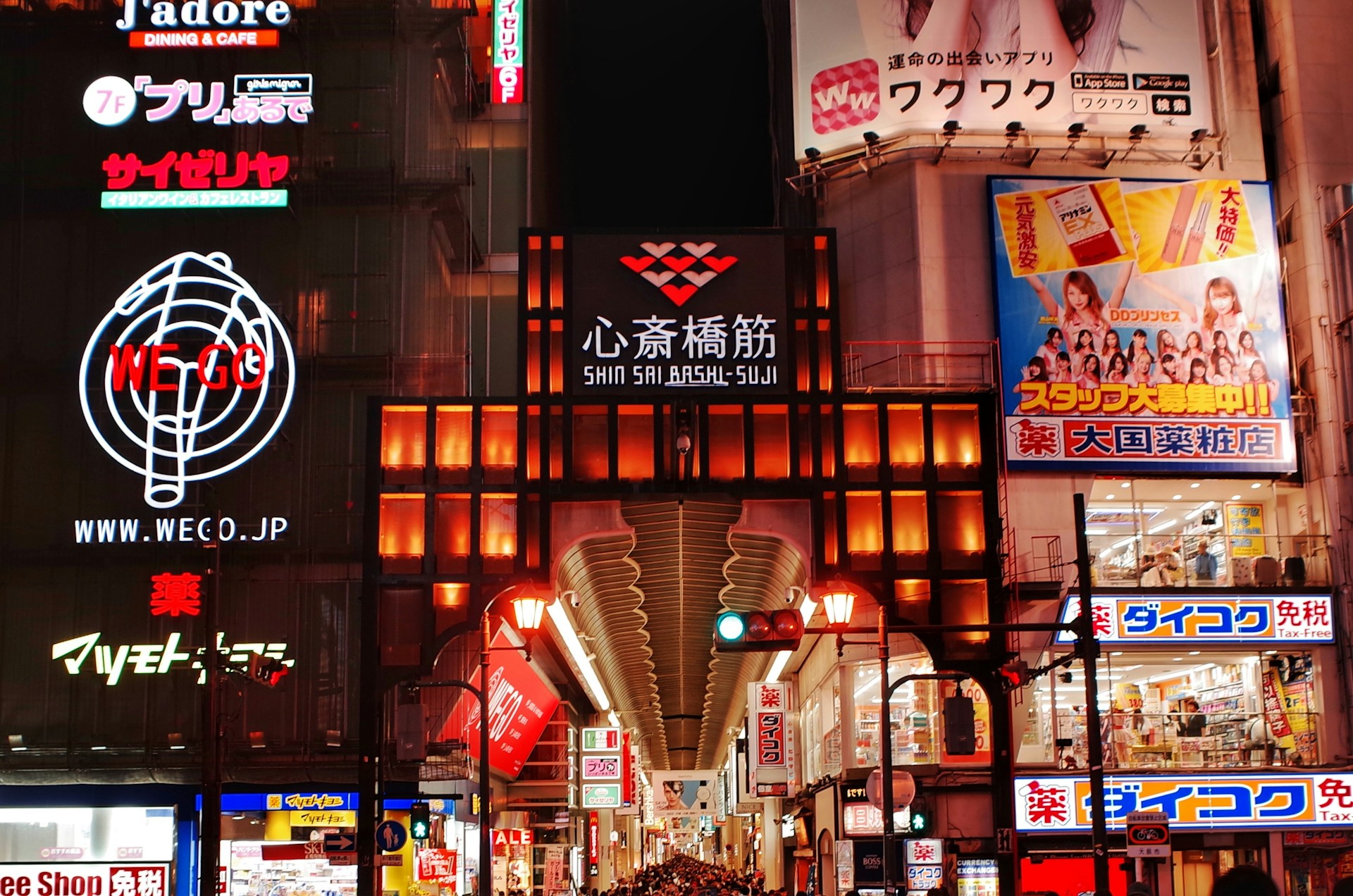
Osaka's premier shopping arcade stretches 600 meters with everything from international luxury to quirky local brands. The covered passage connects Shinsaibashi to Namba, providing weather-protected browsing through department stores, boutiques, and drug stores.
Amerikamura
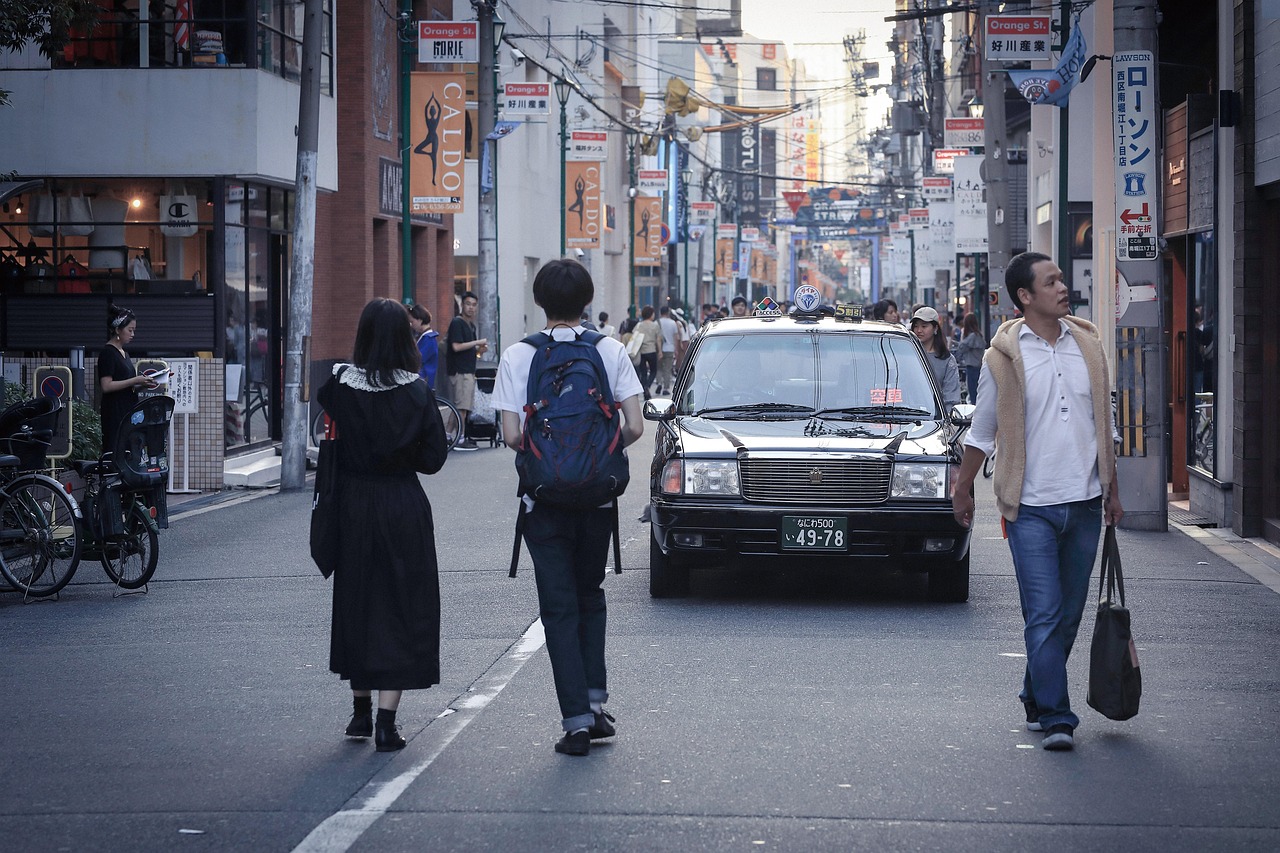
American Village draws young crowds with vintage clothing, street fashion, and Triangle Park people-watching. Record shops, sneaker stores, and independent boutiques create Osaka's youth culture epicenter. Weekends see fashionable crowds and street performances.
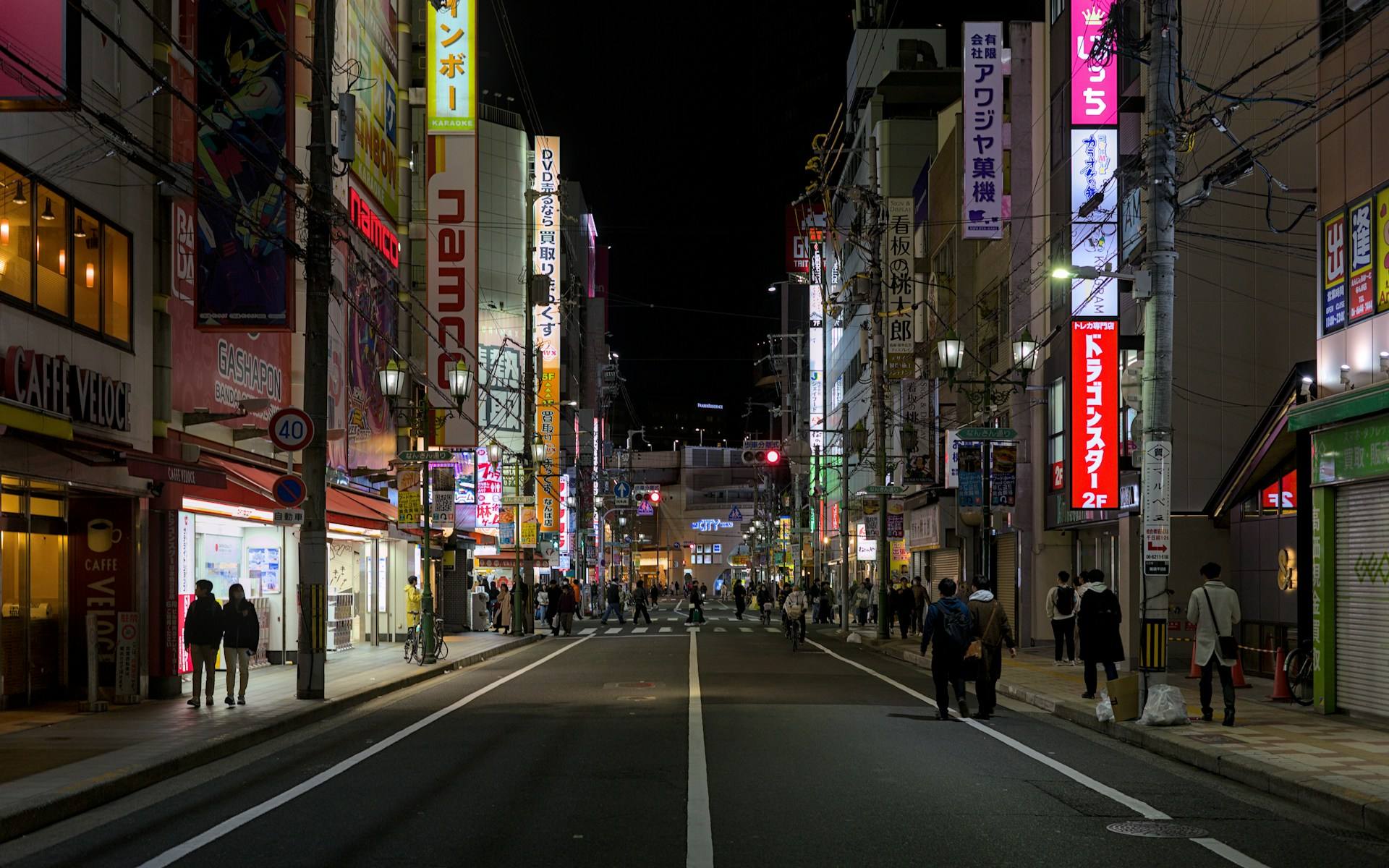
Den Den Town
Osaka's answer to Akihabara offers electronics, anime merchandise, and gaming culture in concentrated form. Less tourist-oriented than Tokyo's equivalent, Den Den Town serves serious collectors and gamers. Retro game shops and figure stores reward dedicated browsing.
Kuromon Market
Beyond eating, Kuromon Market offers unique food souvenirs - dried seafood, pickles, premium teas, and kitchen tools. Quality far exceeds tourist shops elsewhere. Serious home cooks find specialized ingredients unavailable outside Japan.
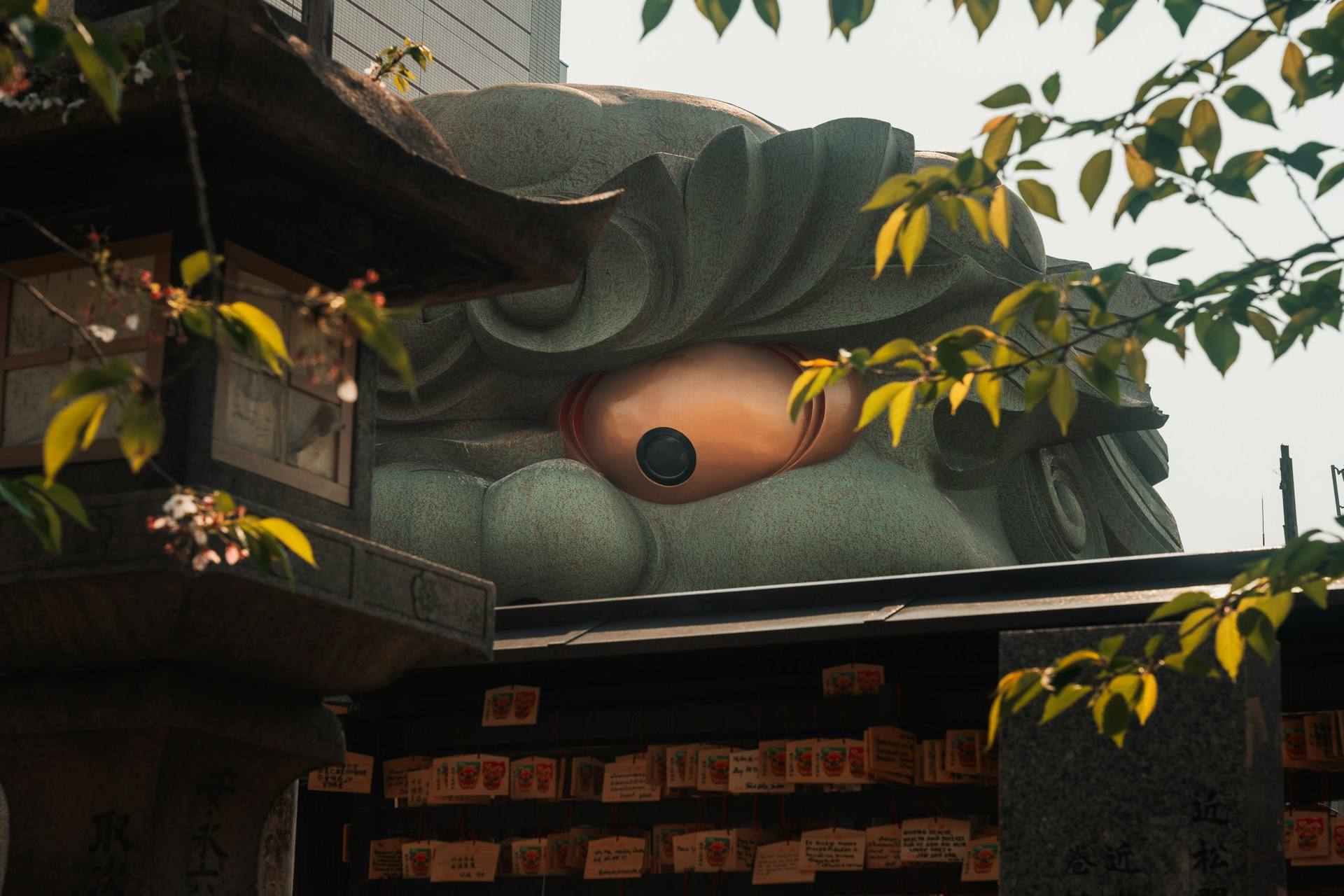
Namba Parks
This canyon-shaped complex rises eight stories with terraced gardens creating urban oasis above boutiques and restaurants. The architecture alone merits visits, with rooftop greenery visible from surrounding streets. Mix of fashion, lifestyle, and dining options.
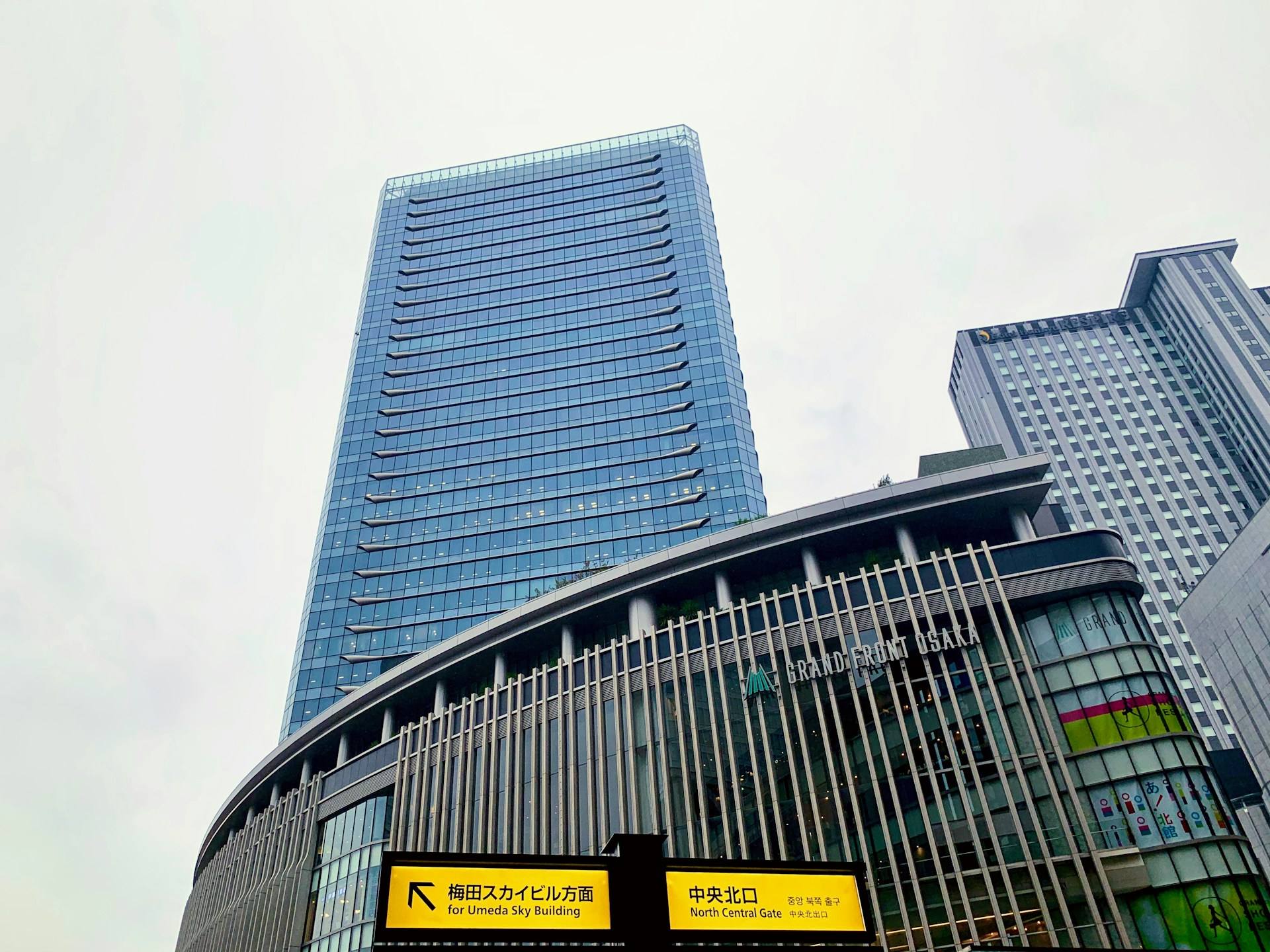
Grand Front Osaka
Adjacent to JR Osaka Station, this massive complex offers premium shopping, dining, and the innovative Knowledge Capital exhibition spaces. Convenient for last-minute purchases before departures. Rooftop gardens provide respite from commercial intensity.
Seasonal highlights
Osaka offers unique experiences throughout the year.
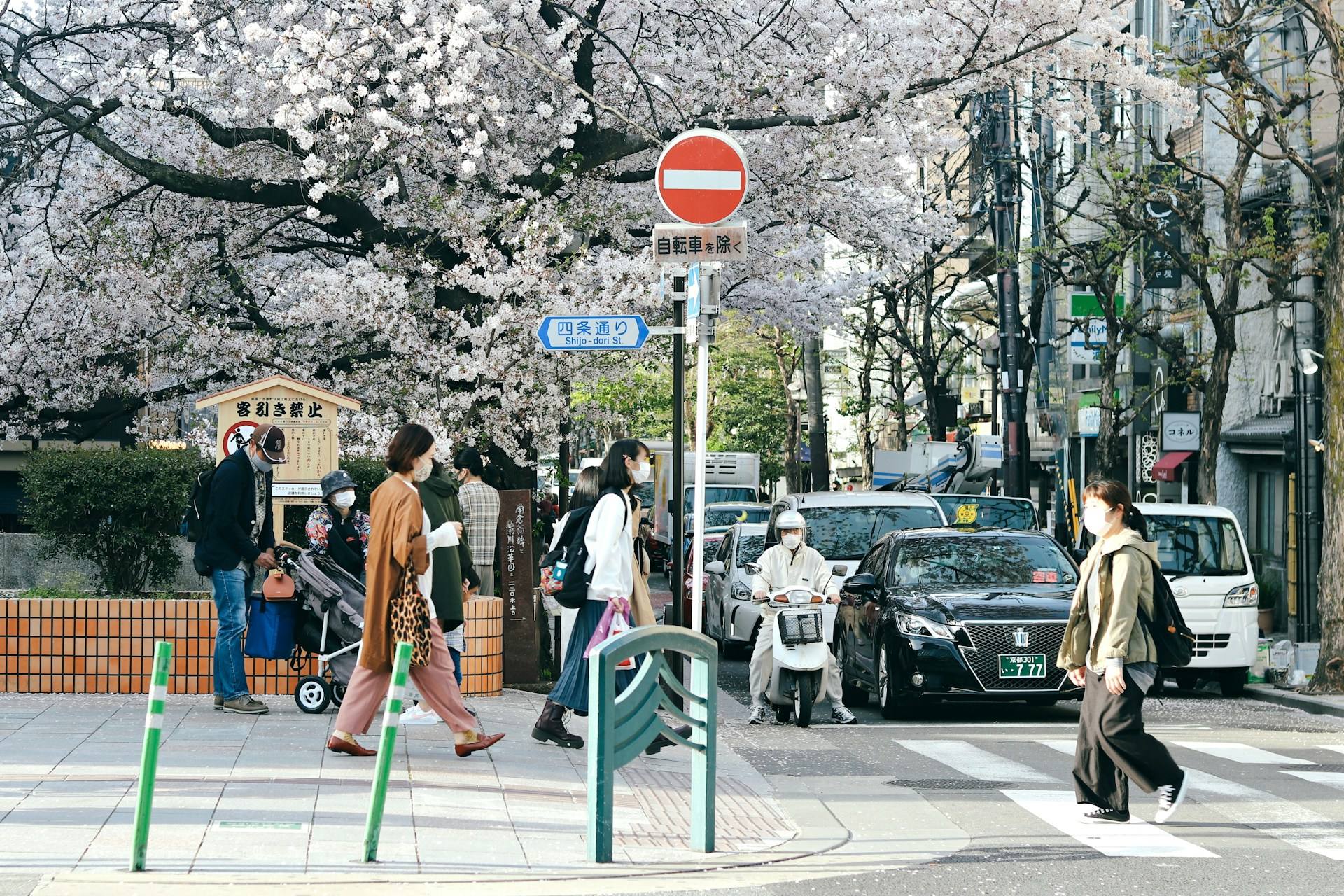
Spring
Cherry blossom season transforms Osaka Castle Park into the city's premier hanami destination - 600 trees surrounding the castle create pink clouds framing Japan's iconic fortress. Evening illuminations extend viewing hours. Kema Sakuranomiya Park lines the river with 4,500 trees, perfect for walking or boat cruises beneath blossoms. Peak timing typically falls late March to early April, drawing massive weekend crowds.
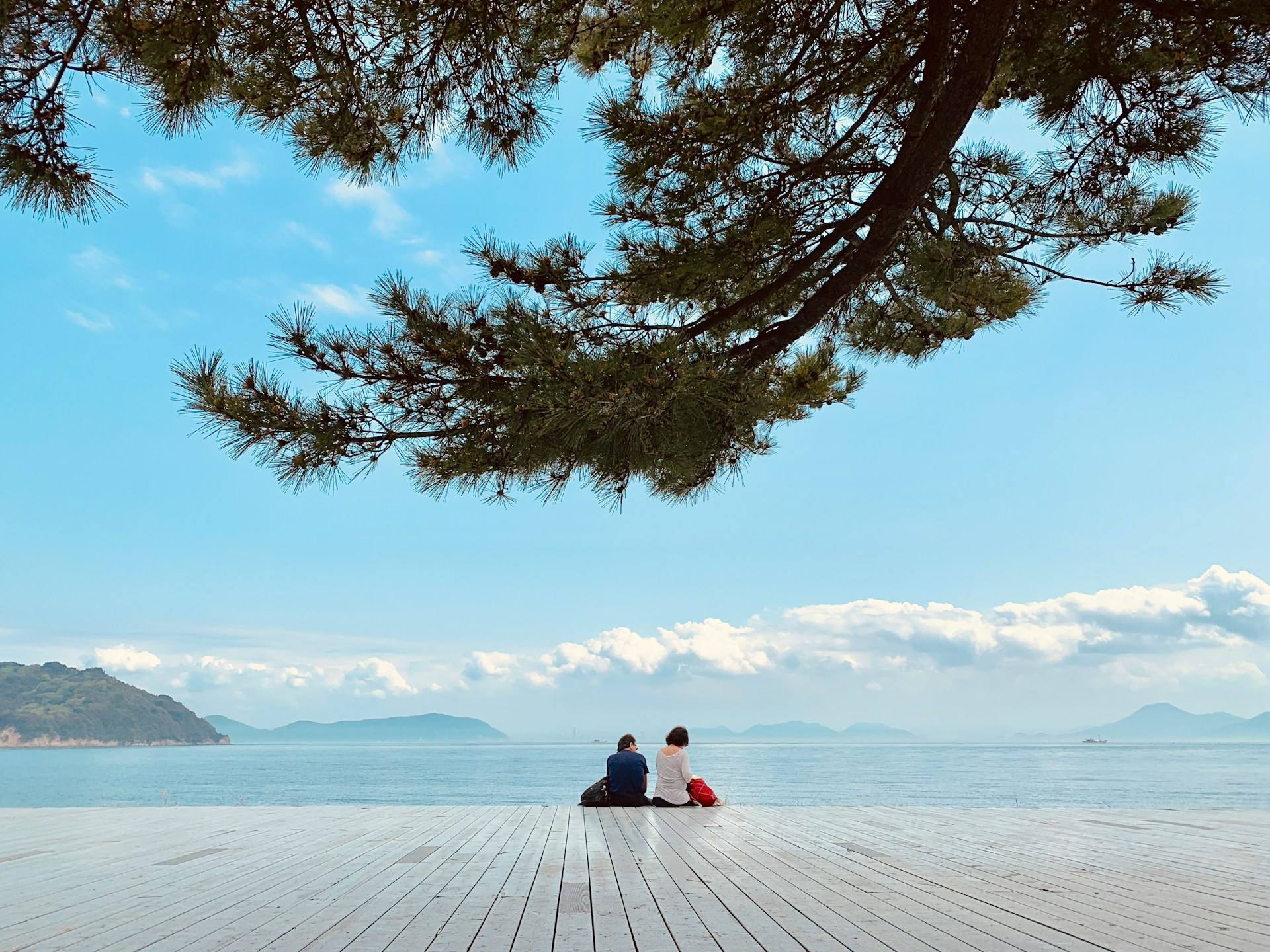
Summer
Tenjin Matsuri (July 24-25) ranks among Japan's three greatest festivals, honoring Tenmangu Shrine's deity with spectacular boat processions and fireworks. Thousands in traditional dress parade through streets before boarding 100+ boats decorated with lanterns. The climax sees massive fireworks reflecting off flotilla-covered waters. Despite intense summer heat, over a million attend. Book accommodations months ahead.
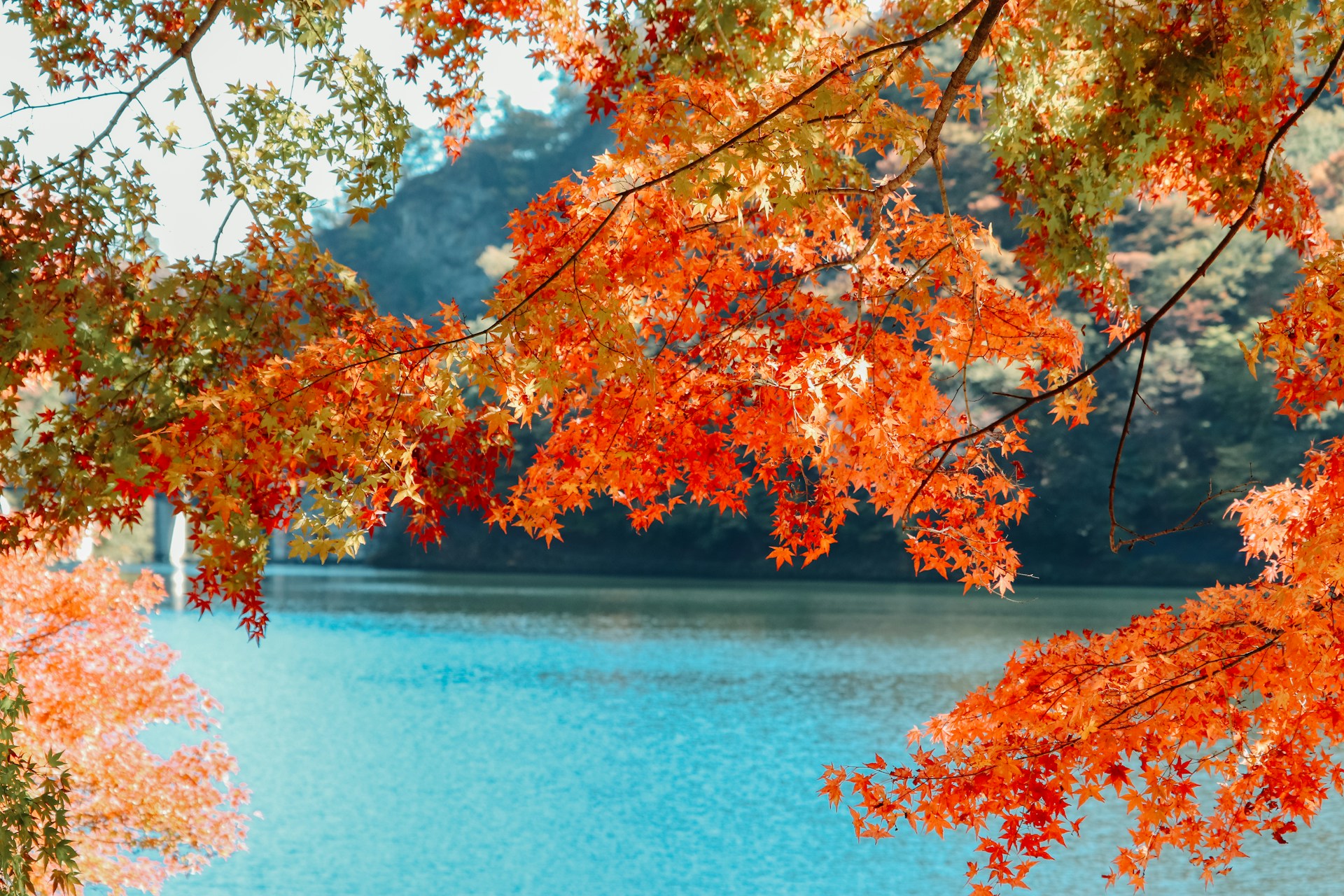
Autumn
Autumn colors arrive later than Tokyo, typically peaking mid-to-late November. Minoh Falls, accessible by Hankyu Railway, offers a forested gorge walk culminating at a 33-meter waterfall surrounded by brilliant maples. Expo '70 Park's Japanese Garden provides extensive koyo viewing. Osaka Castle's ginkgo trees turn brilliant gold, contrasting white castle walls. Cool weather enhances street food enjoyment throughout the city.
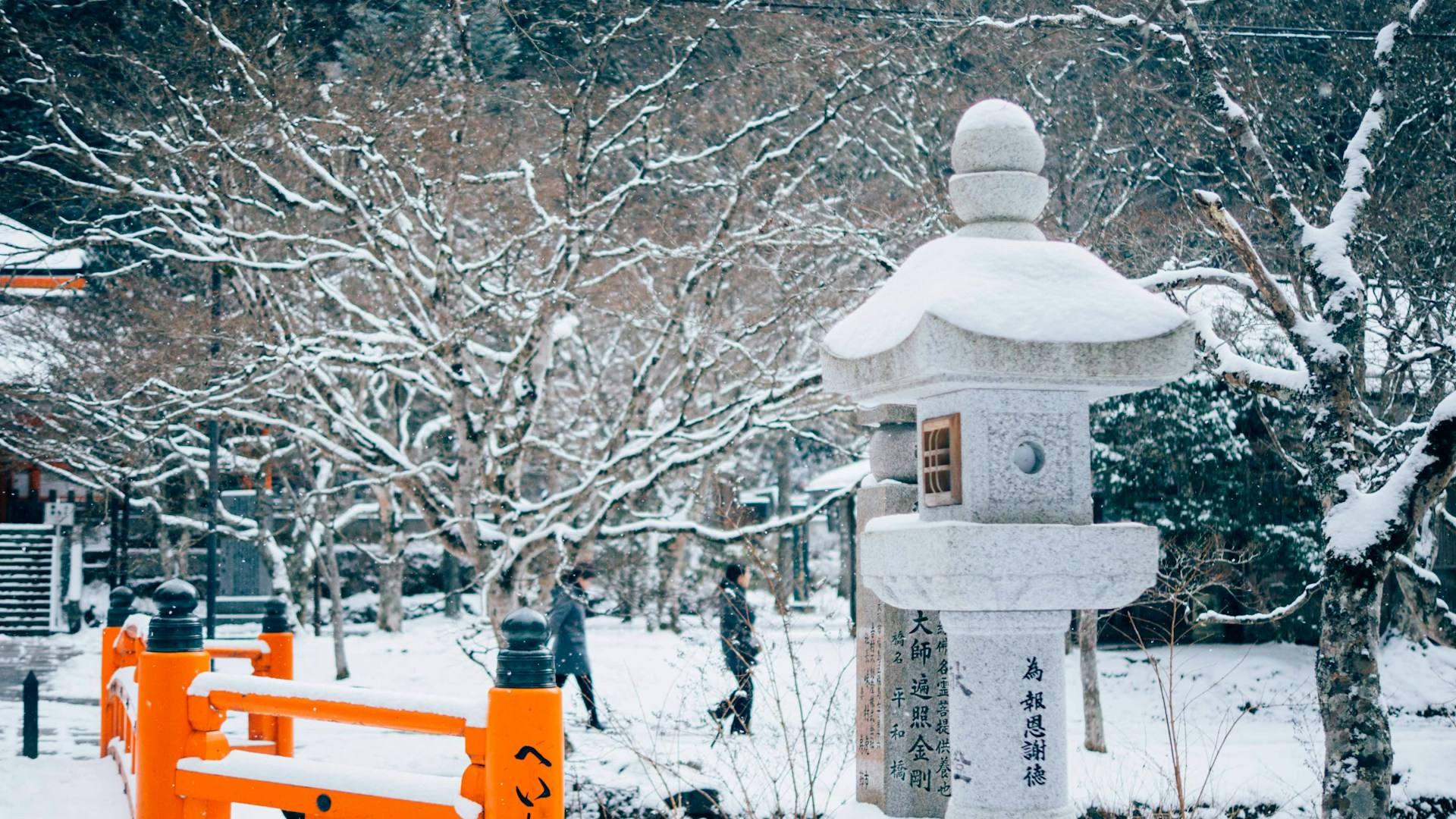
Winter
Winter illuminations transform Osaka's main boulevards into sparkling wonderlands. Midosuji's 4-kilometer ginkgo-lined avenue glitters with millions of lights from mid-November through New Year. Osaka Station's Grand Front displays and Namba Parks' terraced gardens add festive atmosphere. Despite fewer tourists, Osaka's indoor food culture makes winter ideal for exploring without summer heat or spring crowds.
Practical tips
Essential information for navigating Osaka smoothly.
Transportation
- Get an ICOCA card for convenience
- JR Osaka Loop Line circles the city
- Combine JR with subway for full coverage
- Last trains run around midnight
Money
- Japan is still cash-heavy - carry yen
- 7-Eleven ATMs accept international cards
- Tax-free shopping over ¥5,000
- Tipping is not customary
Etiquette
- Osakans are more casual than Tokyo
- Don't eat while walking
- Keep phone calls quiet on trains
- Queue orderly at popular spots
Connectivity
- Free WiFi at stations
- Consider pocket WiFi or eSIM
- Download offline maps
- Google Maps works excellently
Navigate Osaka with your JR Pass
Your JR Pass covers JR trains throughout Osaka and day trips to Kyoto, Nara, Himeji, and Kobe. The Osaka Loop Line connects major attractions and shopping districts.
Key JR stations in Osaka
JR Pass Covered
Major hub, Loop Line, shinkansen access
JR Namba, Dotonbori area
Loop Line, Abeno Harukas
JR Yumesaki Line, USJ access
Shinkansen hub