
Tokyo travel guide
The world's largest metropolis where ancient temples meet cutting-edge technology, creating endless urban adventure.
Tokyo neighborhoods
Each neighborhood has its own personality - discover what makes each area unique.
Shibuya
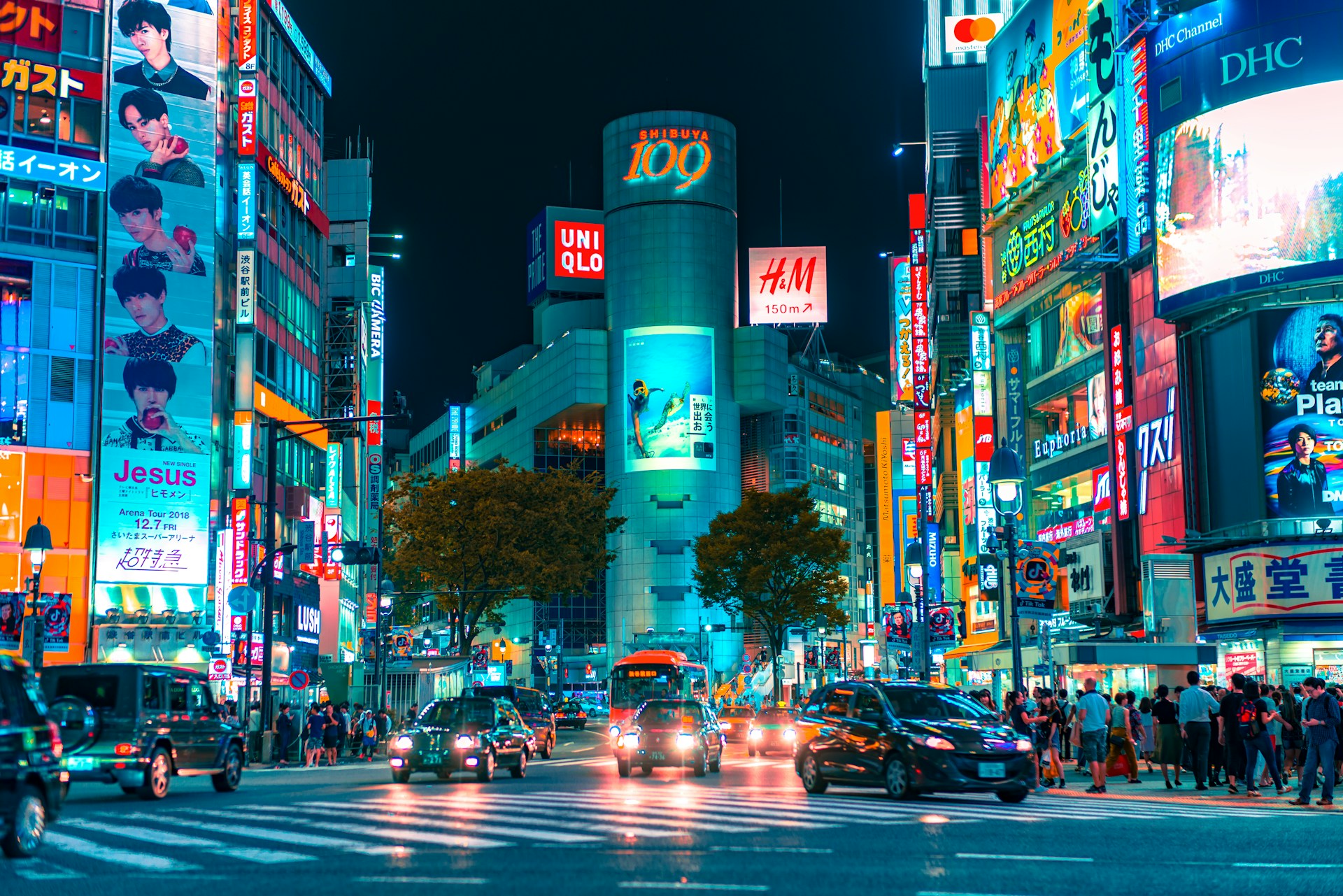
Shibuya pulses as Tokyo's epicenter of youth culture and fashion. The legendary Shibuya Crossing draws up to 3,000 pedestrians per light change, creating the world's most mesmerizing intersection. Rising 230 meters above, Shibuya Sky offers open-air rooftop views perfect for sunset photography.
The district's shopping ranges from Shibuya 109's trendsetting fashion to vintage finds in backstreet boutiques. Hachiko's bronze statue outside the station remains Tokyo's most beloved meeting spot, honoring Japan's famously loyal dog.
Nightlife here rivals anywhere in Tokyo. Center Gai buzzes with izakayas and karaoke until dawn, while stylish cafes and concept stores reward daytime exploration. Whether you're photographing the crossing from above or losing yourself in narrow shopping lanes, Shibuya delivers pure Tokyo energy.
Shinjuku
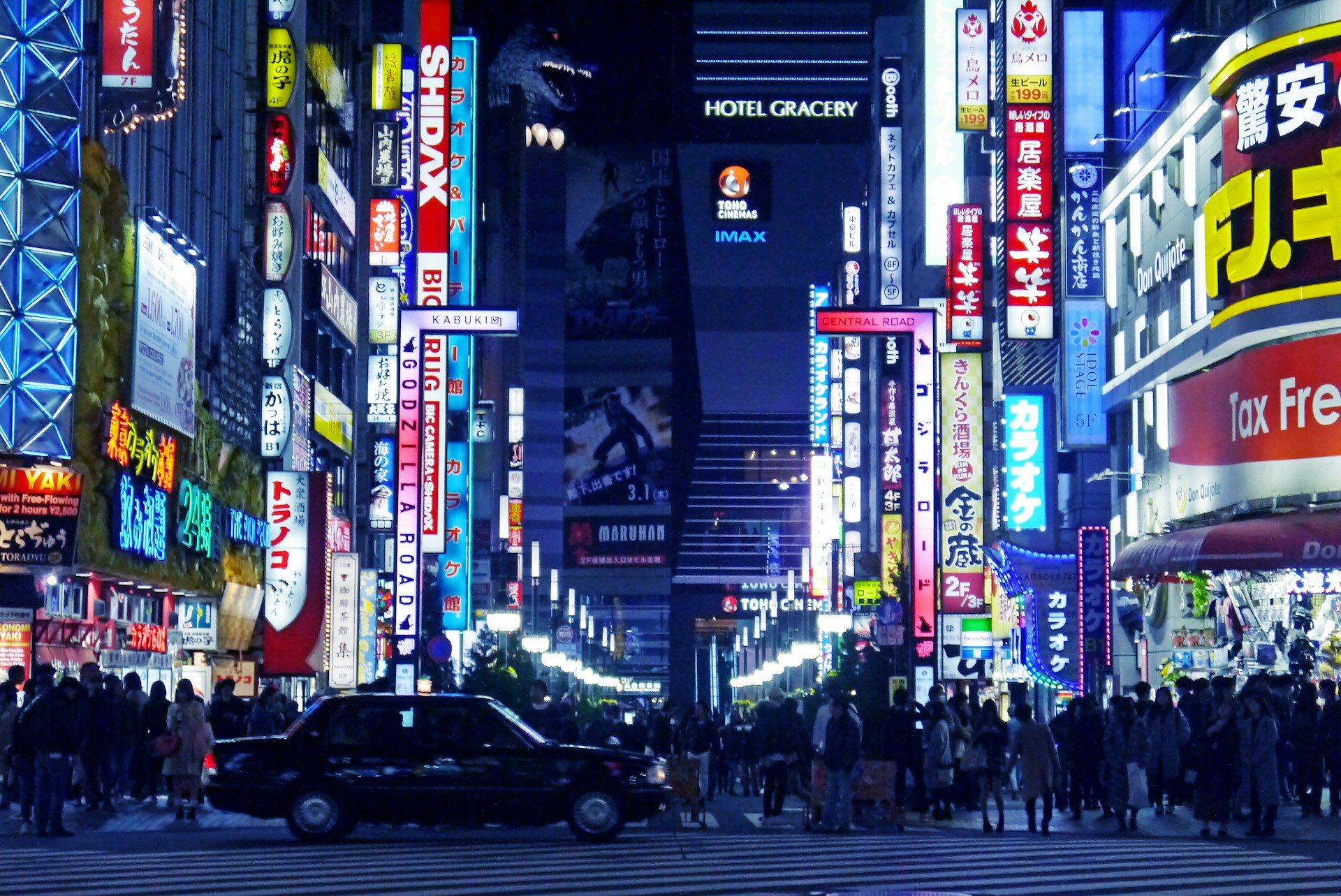
Shinjuku embodies Tokyo's dramatic contrasts - gleaming skyscrapers towering over hidden alleyways packed with tiny bars. The world's busiest station processes 3.5 million passengers daily, connecting to everywhere worth going.
The free observation deck at Tokyo Metropolitan Government Building offers stunning views reaching Mount Fuji on clear days. Below, neon-blazing Kabukicho entertains with everything from karaoke to robot restaurants.
Golden Gai deserves special attention: six narrow alleys containing 200+ bars, each seating barely ten patrons. These intimate spaces foster conversations impossible in larger venues. For daytime peace, escape to Shinjuku Gyoen's 58 hectares of gardens blending Japanese, English, and French landscape traditions - especially magical during cherry blossom season.
Akihabara
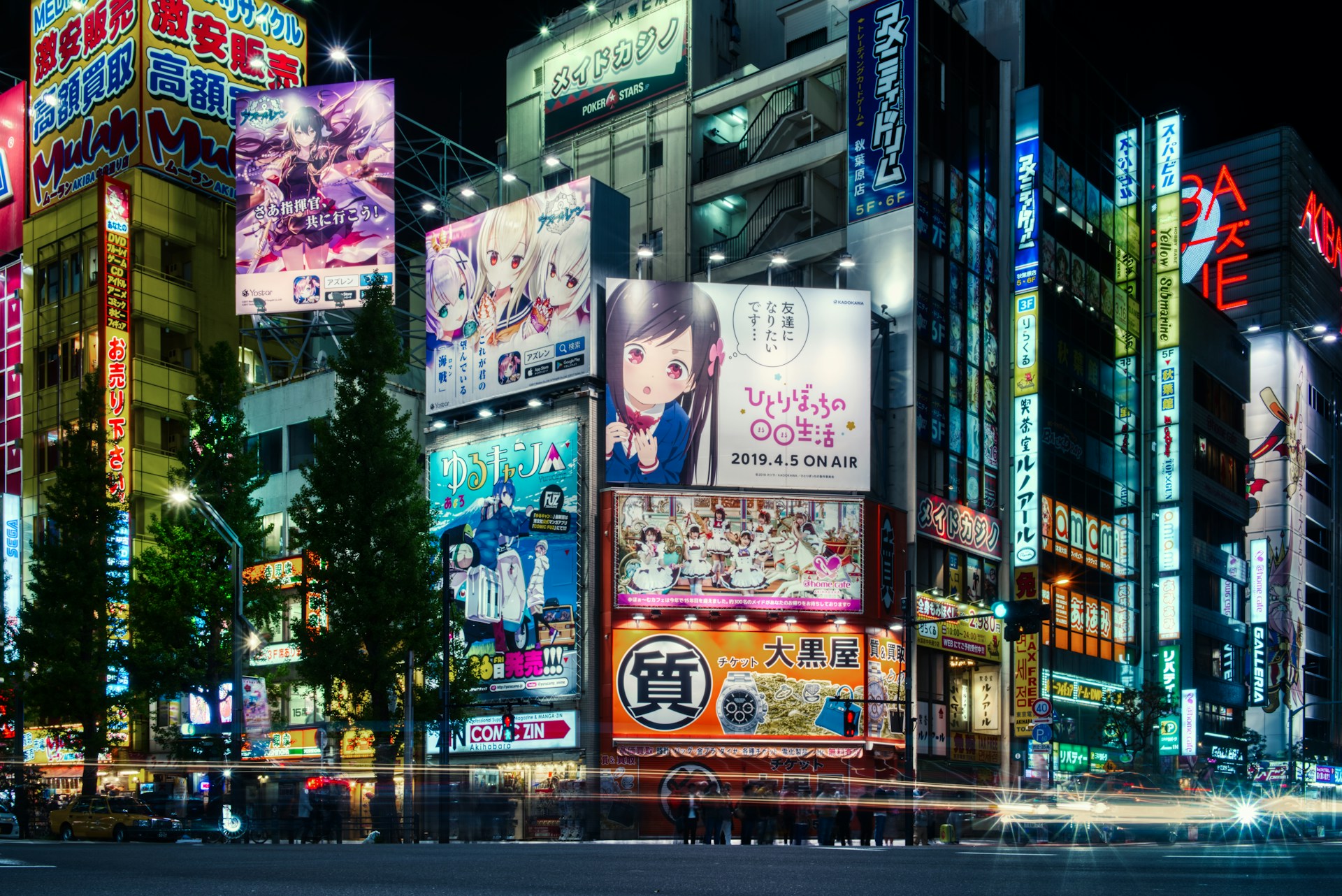
Akihabara reigns as the global capital of otaku culture, where anime, manga, and gaming converge in sensory overload. Originally famous as Electric Town, "Akiba" evolved into the spiritual home of Japanese pop culture fandom.
Multi-story shops like Animate and Mandarake overflow with figurines, merchandise, and rare collectibles that fans travel worldwide to find. Yodobashi Camera's nine floors cover every electronic gadget imaginable. Maid cafés offer uniquely Japanese experiences where costumed waitresses serve with theatrical charm.
Gaming arcades feature rhythm games, crane machines, and competitive fighting scenes. Sundays transform the main street into a pedestrian paradise where cosplayers appear for impromptu photo sessions. Whether hunting rare anime cells or exploring retro game shops, Akihabara rewards dedicated exploration.
Ueno
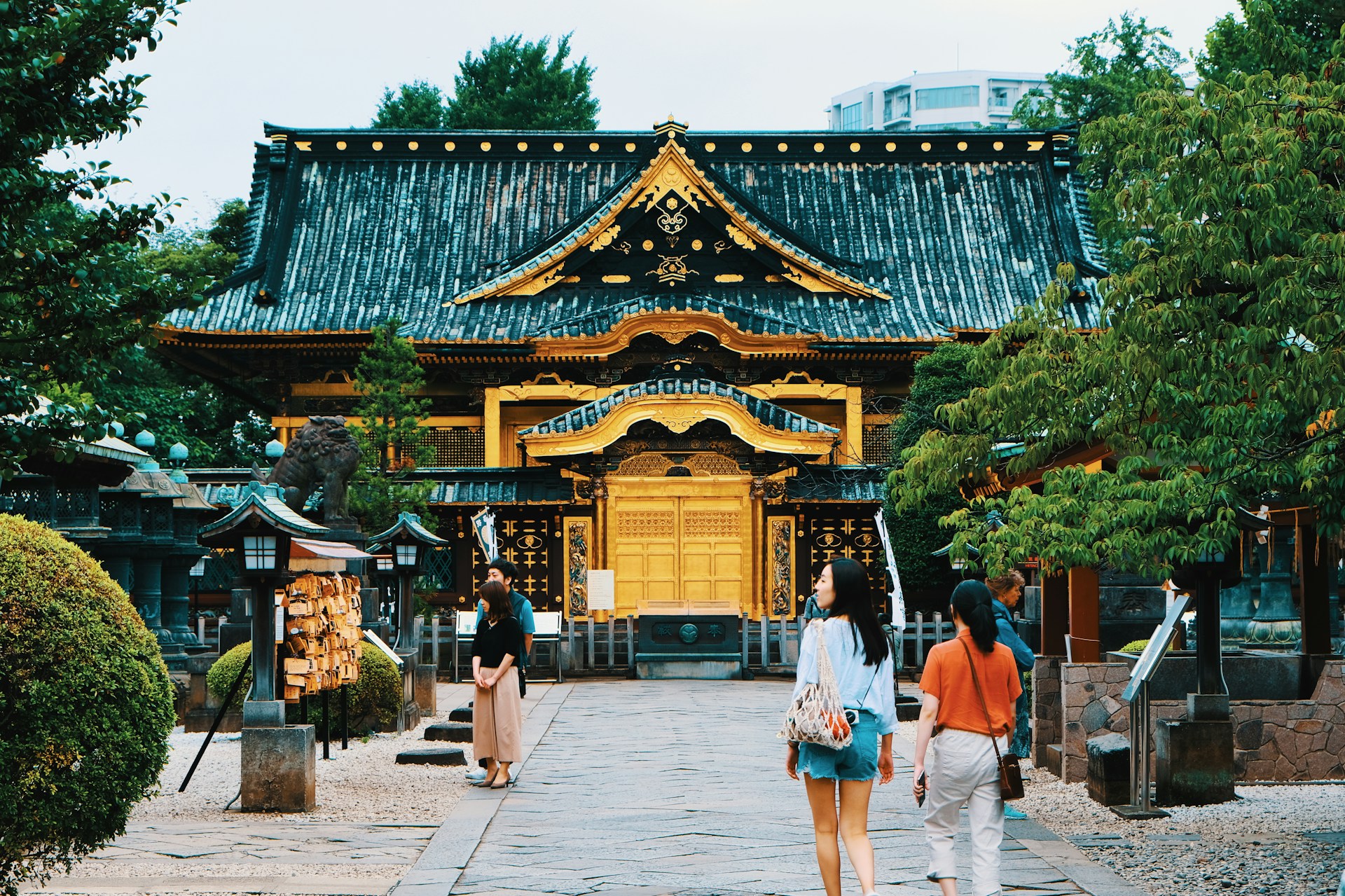
Ueno serves as Tokyo's cultural heart, hosting Japan's highest concentration of world-class museums within a sprawling park that transforms into cherry blossom paradise each spring.
The Tokyo National Museum houses 110,000+ Japanese art objects spanning ancient pottery to samurai armor. Nearby stand the National Museum of Western Art (UNESCO World Heritage), National Science Museum, and Ueno Zoo with its beloved giant pandas.
Below the park, Ameyoko Market presents working-class Tokyo's vibrant energy. This bustling open-air street sells fresh seafood, dried goods, cosmetics, and clothing at bargain prices. Originally a post-war black market, today's crowds seek everything from fresh sashimi to designer knockoffs. The contrast between serene museum galleries and chaotic market lanes captures Ueno's unique character.
Asakusa
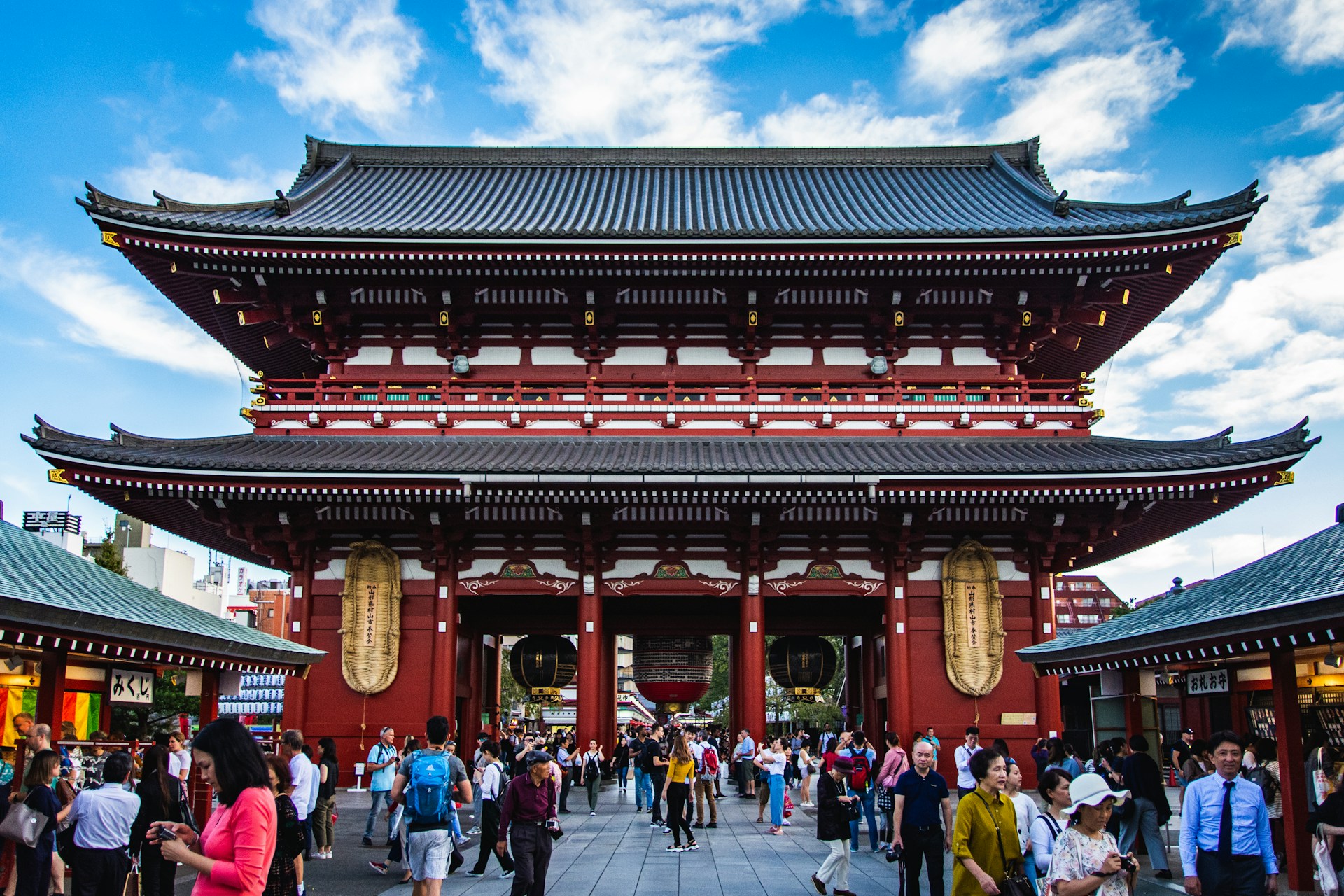
Asakusa preserves old Tokyo's shitamachi spirit, where traditional culture thrives amid modern Japan. At its heart stands Senso-ji, Tokyo's oldest Buddhist temple, founded in 645 AD.
The approach through massive Kaminarimon gate leads down Nakamise-dori, a 250-meter shopping street where 90+ traditional shops have served pilgrims for centuries. Rice crackers, handmade fans, and sweet treats line both sides. The temple's incense burner draws crowds wafting purifying smoke over themselves.
Stunning views of Tokyo Skytree, the world's tallest tower at 634 meters, reward riverside walks along the Sumida. Traditional rickshaws and artisan workshops create atmosphere transporting visitors to pre-war Tokyo. Early morning visits before 9 AM offer peaceful exploration and the best photography light.
Ginza
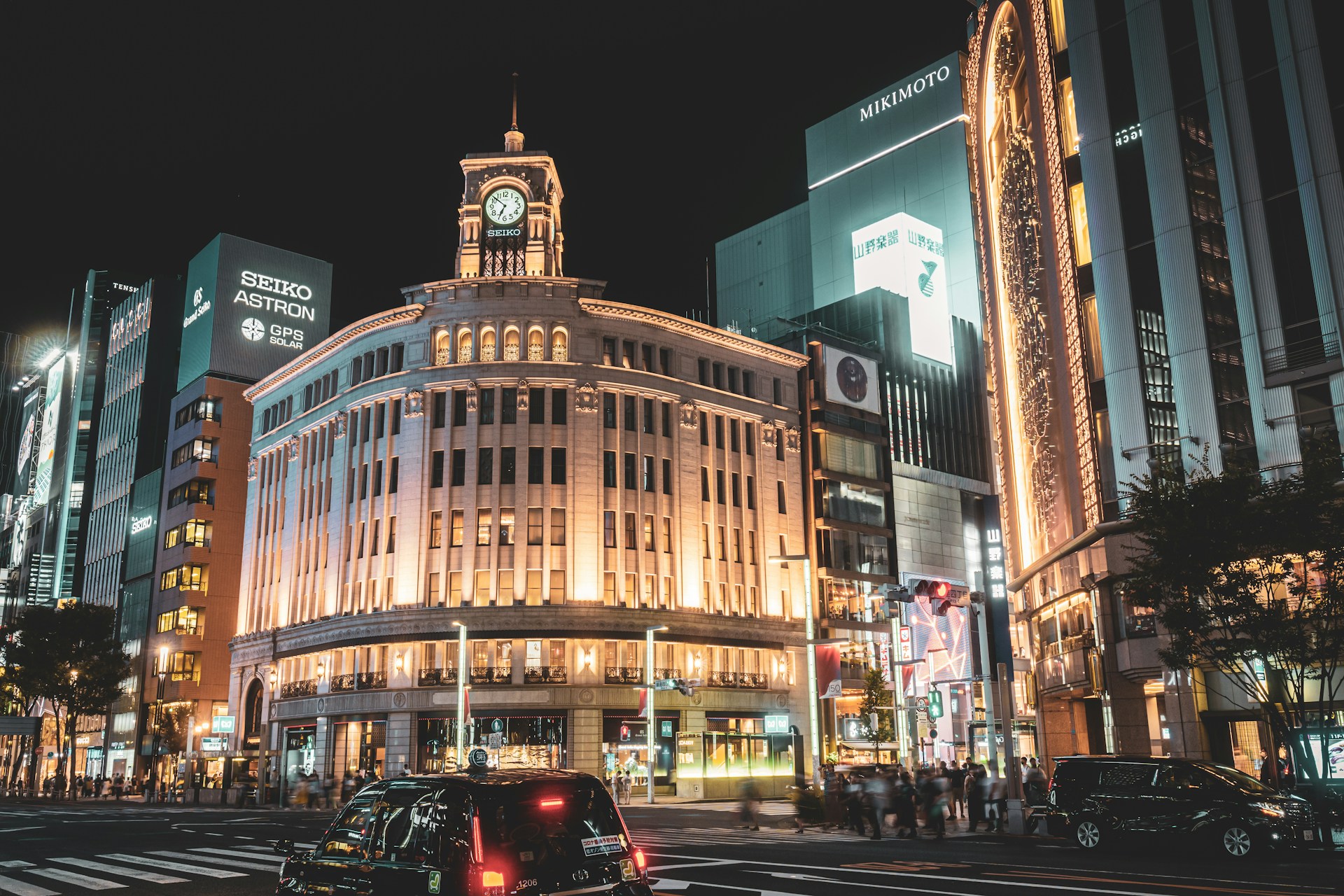
Ginza represents Japanese luxury at its most refined - Tokyo's premier shopping district where global fashion houses occupy architectural landmarks. Named after a 1612 silver mint, Ginza has symbolized elegance for four centuries.
Historic Mitsukoshi department store (founded 1673) anchors the district with legendary customer service. Modern Ginza Six houses 241 brands across thirteen floors. Every major luxury name maintains flagship presence here, making window shopping an architectural tour.
Beyond fashion, Ginza offers Michelin-starred kaiseki restaurants and world-famous sushi. Kabuki-za Theatre presents traditional performances in a striking building blend of Japanese and modern design. The nearby Tsukiji Outer Market continues serving the freshest sushi breakfasts in Tokyo. Ginza rewards those seeking Japan's most polished experiences.
Harajuku
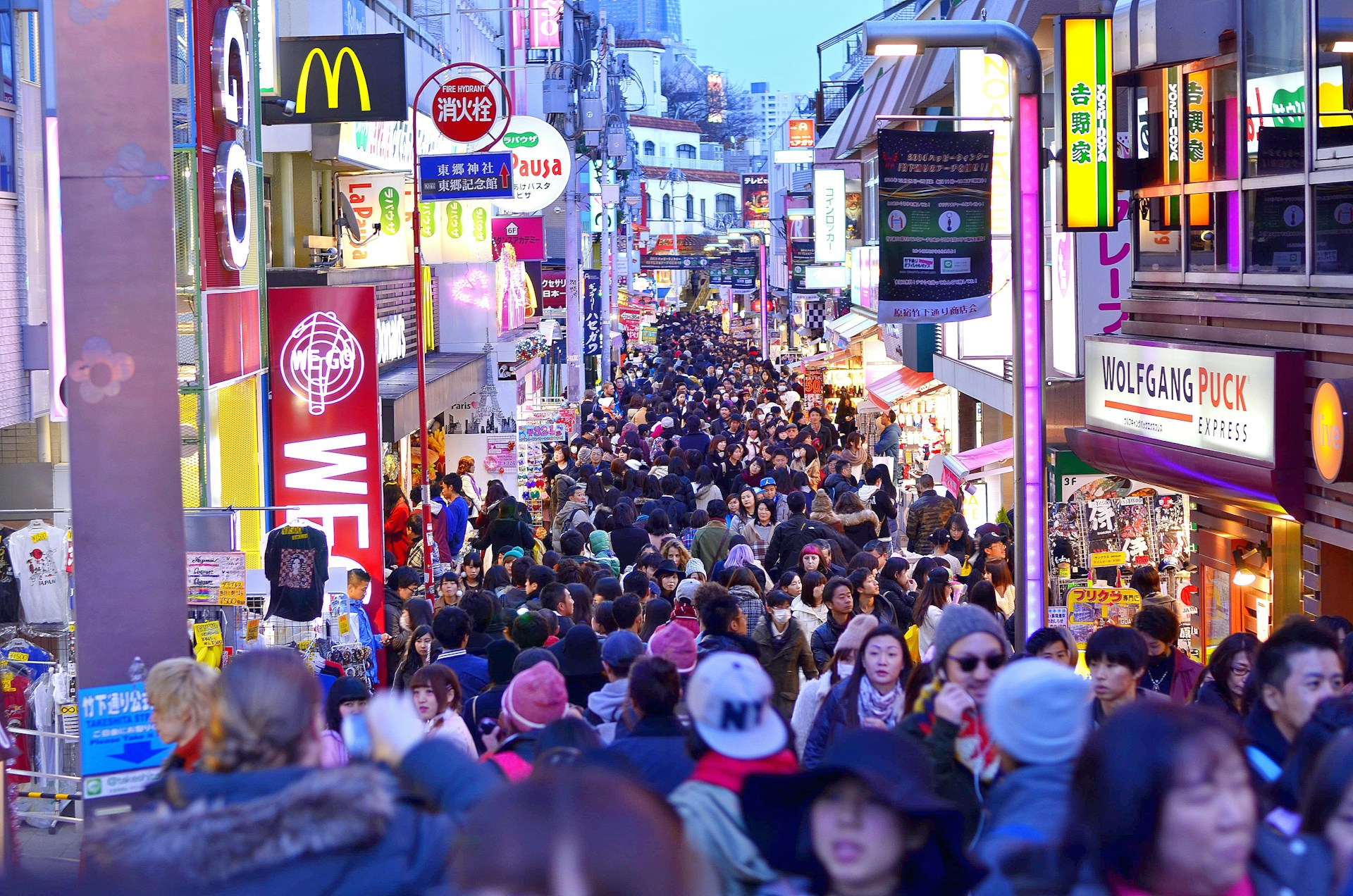
Harajuku birthed Japan's distinctive street fashion, where creativity and self-expression define daily life. The district juxtaposes colorful chaos with serene spirituality mere steps apart.
Takeshita Street crams more style per meter than anywhere on Earth - Lolita boutiques, vintage shops, and trends that haven't yet reached the mainstream. Instagram-worthy crepes tower with whipped cream and fruit. Weekends become nearly impassable as fashion-conscious teenagers jostle for space.
Meiji Shrine provides dramatic contrast: 70 hectares of donated forest creating meditative atmosphere that silences urban noise. Massive torii gates mark transitions into sacred space. Omotesando, Tokyo's Champs-Élysées, connects Harajuku to Aoyama with architectural masterpieces housing designer flagships. Backstreet exploration rewards with emerging designers and concept cafés.
Odaiba
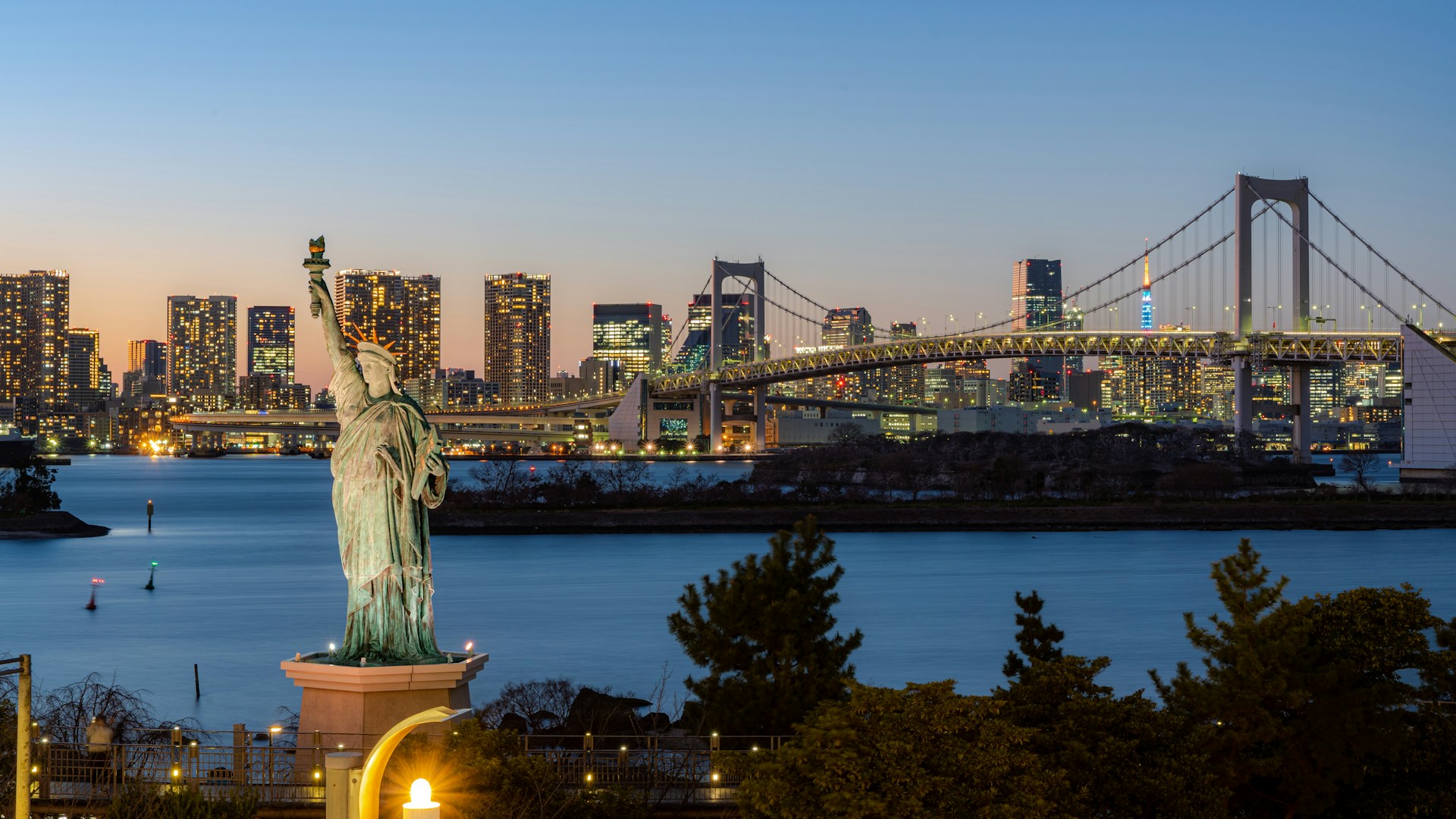
Odaiba represents Tokyo's futuristic vision - an artificial island transformed into an entertainment paradise. The automated Yurikamome monorail crossing Rainbow Bridge provides spectacular bay views before arriving.
teamLab Planets revolutionizes the museum concept with body-immersive digital art. Visitors wade knee-deep through water, walk barefoot through infinity mirror rooms, and interact with responsive digital environments. DiverCity's 18-meter Unicorn Gundam statue transforms between modes during evening light shows.
Venus Fort recreates an Italian town with artificial sky transitioning from day to night. Oedo Onsen Monogatari offers traditional bathing in Edo-period town settings. Panoramic views of Rainbow Bridge and Tokyo's skyline make Odaiba particularly beautiful at night when illumination transforms the bay into spectacle.
Top attractions
From observation decks to theme parks - unforgettable experiences for every traveler.
Shibuya Sky
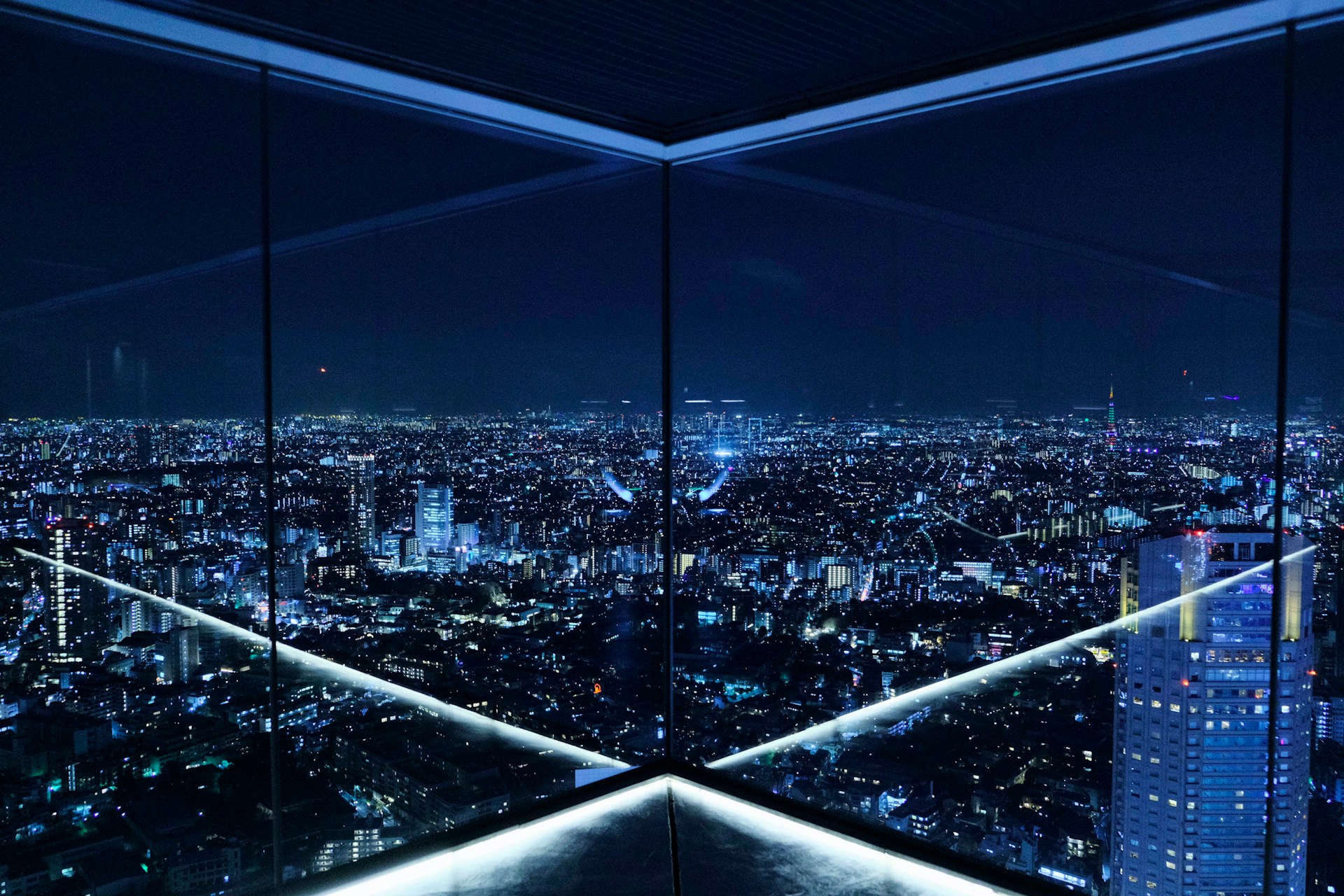
Shibuya Sky transformed Tokyo's observation deck scene when it opened in 2019, offering a completely different experience from traditional enclosed viewing platforms. Rising 230 meters above Shibuya Scramble Square, the attraction provides unobstructed 360-degree panoramic views that have made it one of Tokyo's most photographed locations.
The experience begins with an escalator journey through an immersive digital tunnel that builds anticipation before emerging onto the 46th floor indoor observation gallery. Here, floor-to-ceiling windows and interactive displays orient visitors to Tokyo's geography, identifying landmarks from Tokyo Tower to Mount Fuji.
The true highlight awaits on the rooftop Sky Stage - an open-air observation deck where no glass barriers obstruct your view or photographs. Weather permitting, visitors can walk freely around the perimeter, feeling the wind while gazing across the endless Tokyo metropolis.
Tip: Book online for sunset slots
teamLab Borderless
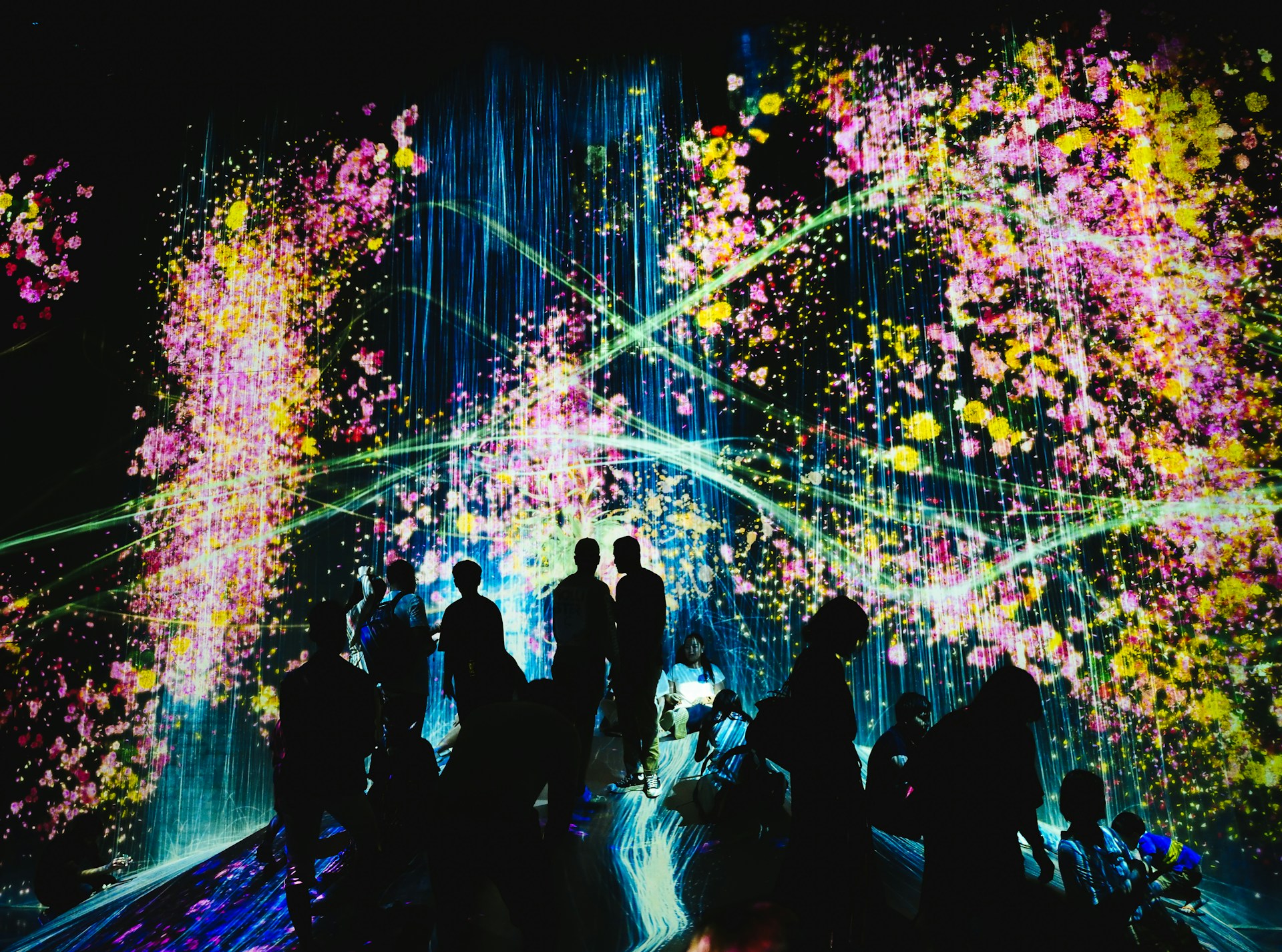
teamLab Borderless revolutionized the concept of art museums when it opened in 2018, creating an immersive digital world where artworks are not contained within frames but flow freely between rooms, interact with visitors, and influence each other in an ever-changing ecosystem.
The museum eliminates traditional exhibition paths, encouraging visitors to wander and discover art organically. Rooms have no fixed boundaries - projections flow through doorways, creatures migrate between spaces, and the environment responds to human presence. Standing still might cause flowers to bloom at your feet or butterflies to gather around your silhouette.
Signature installations include the Crystal Universe, an infinite LED light sculpture you walk through while controlling constellations via smartphone, and the Forest of Resonating Lamps, where Venetian glass lamps change colors in response to nearby visitors.
Tip: Wear light-colored clothing
teamLab Planets
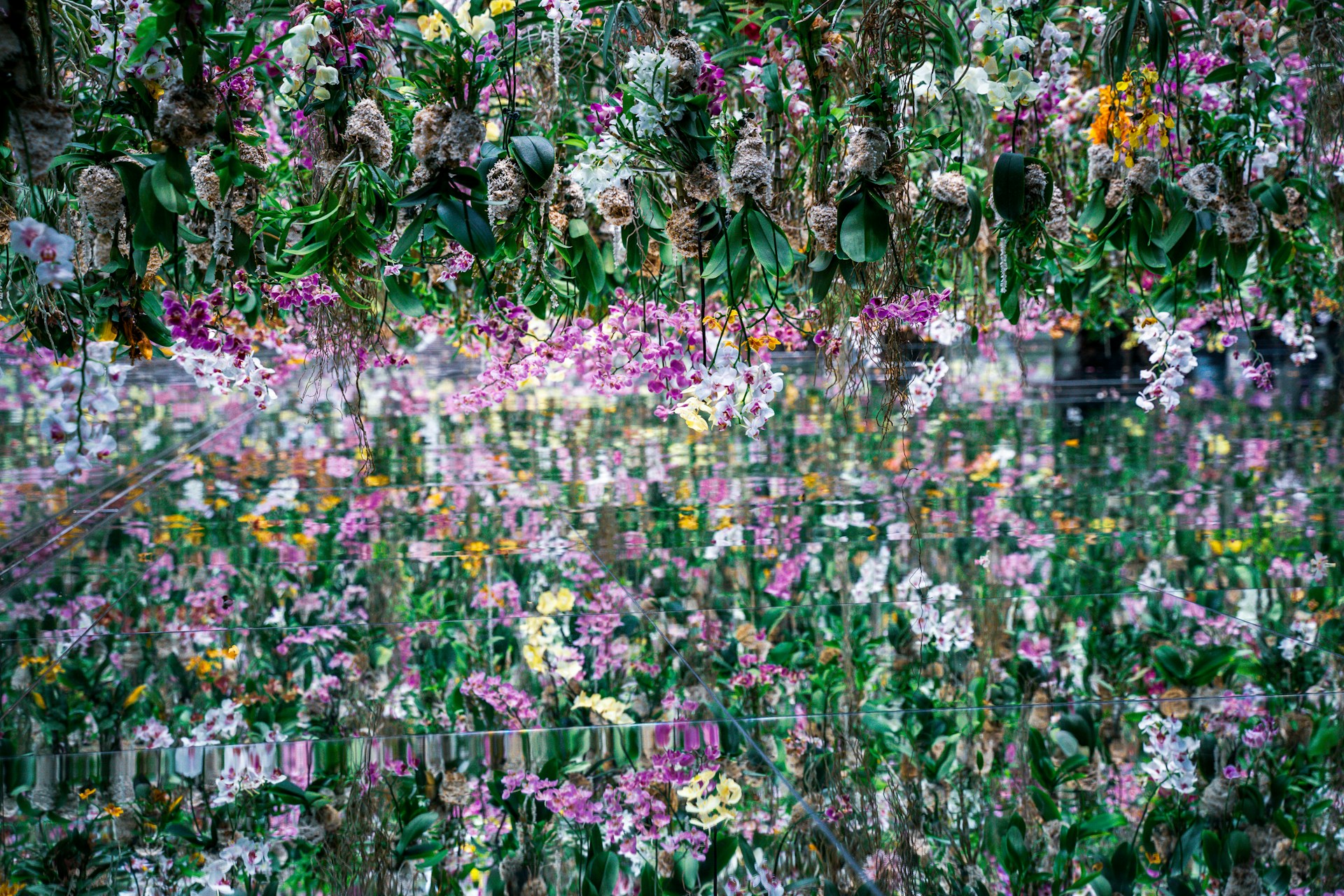
teamLab Planets offers a distinctly different experience from its sister museum, focusing on body immersion rather than wandering exploration. Located in Odaiba, this "museum where you walk through water" requires visitors to remove shoes and wade barefoot through installations, creating unprecedented physical engagement with digital art.
The journey begins at ankle depth, walking through cool water where koi fish projections scatter at your approach. Depths increase gradually - some rooms reach knee height, requiring visitors to roll up pants or wear provided shorts. This physical vulnerability heightens awareness and connection to the art surrounding you.
The Infinite Crystal Universe suspends visitors in a cosmos of LED lights extending in all directions, controlled in real-time by smartphone apps that launch stars, planets, and galaxies.
Tip: Wear knee-length shorts
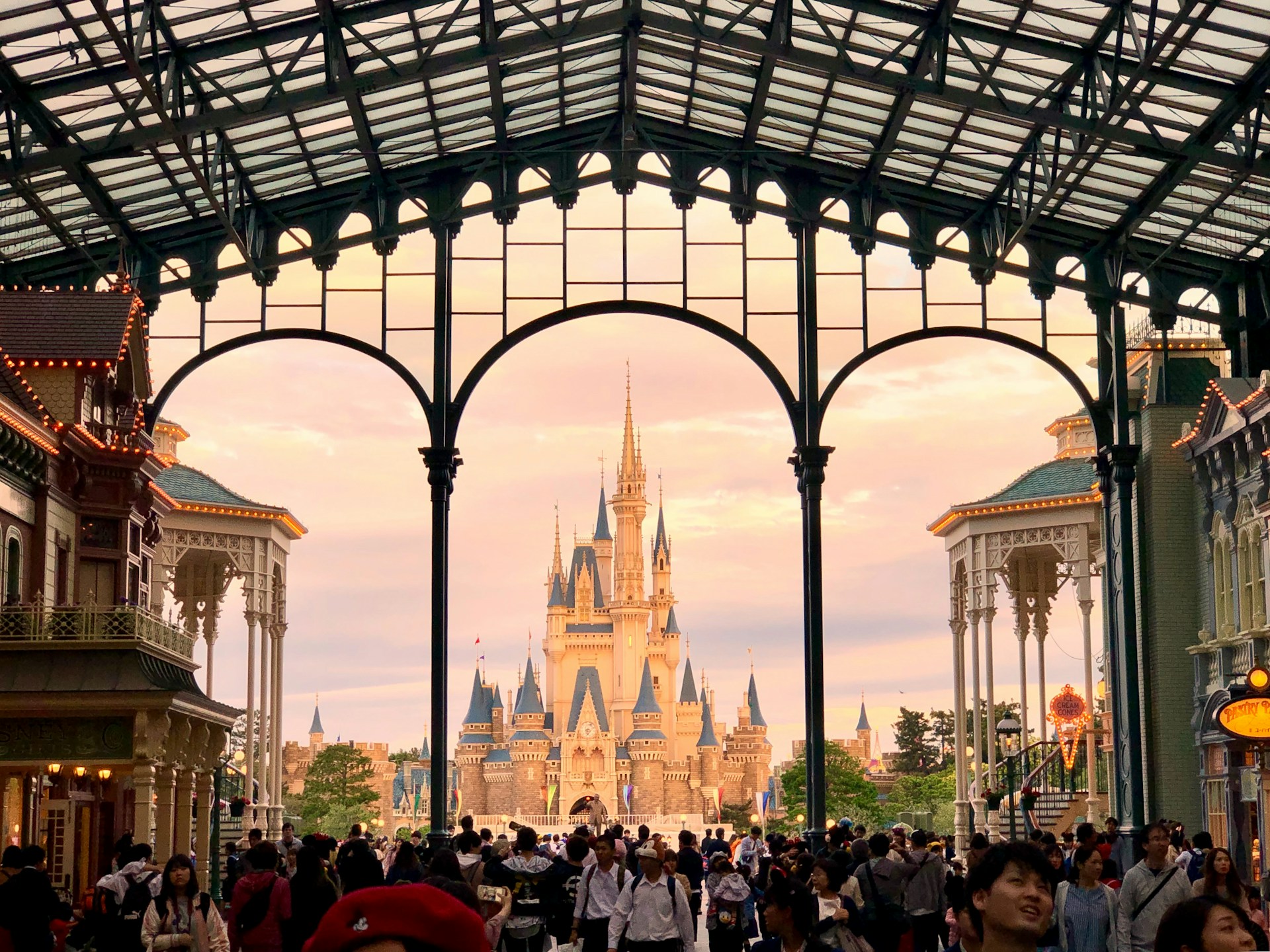
Tokyo Disneyland
Tokyo Disneyland, opened in 1983 as Disney's first international park, has evolved into arguably the most immaculate and efficiently operated theme park in the world. Japanese hospitality culture elevates every aspect of the Disney experience.
The park's layout follows the classic Disney template - Cinderella Castle centerpiece surrounded by themed lands including World Bazaar, Adventureland, Westernland, Fantasyland, and Tomorrowland. While many attractions mirror those in American parks, Tokyo-exclusive shows and seasonal events justify visits even for Disney veterans.
Space Mountain, Big Thunder Mountain Railroad, and Splash Mountain deliver thrilling experiences, while dark rides like Pirates of the Caribbean and Haunted Mansion showcase Disney's legendary storytelling. Pooh's Hunny Hunt, using trackless ride technology, represents Tokyo's innovative attraction design.
Tip: Visit on weekdays
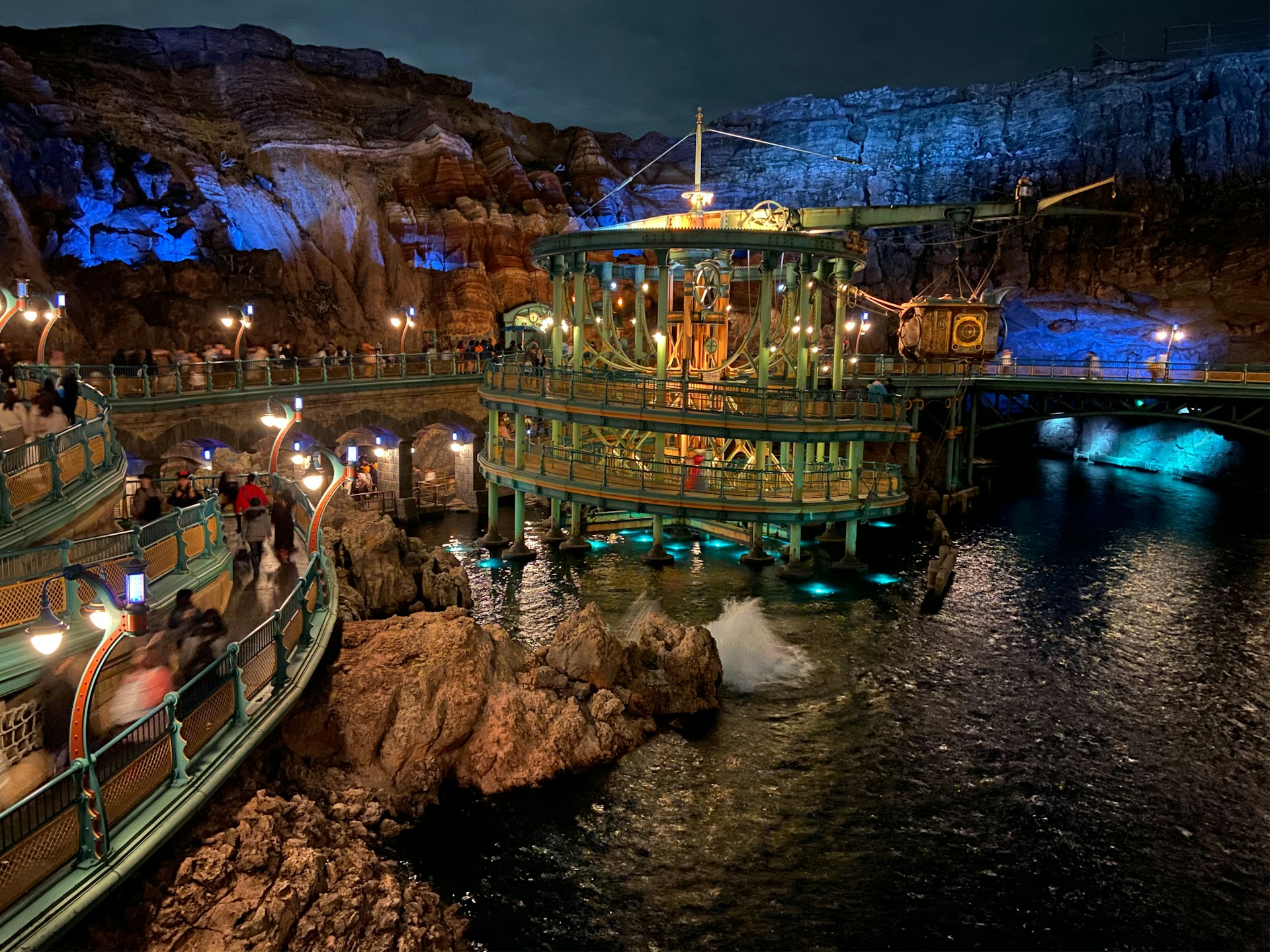
Tokyo DisneySea
Tokyo DisneySea stands alone among Disney parks worldwide - a nautical-themed experience that eschews Disney traditions to create something entirely original. Opened in 2001, the park is widely considered Disney's most beautifully designed.
Seven themed ports surround a central Mediterranean Harbor, each transporting visitors to different times and places. The American Waterfront recreates early 20th-century New York harbor, complete with a full-scale ocean liner permanently docked. The Mysterious Island houses the park's most famous attraction - Journey to the Center of the Earth - inside an imposing volcano.
DisneySea targets adult visitors more directly than any Disney park. Alcoholic beverages are available throughout, restaurants offer sophisticated cuisine beyond theme park standards, and attractions emphasize elaborate theming over character meet-and-greets.
Tip: More adult-friendly than Disneyland
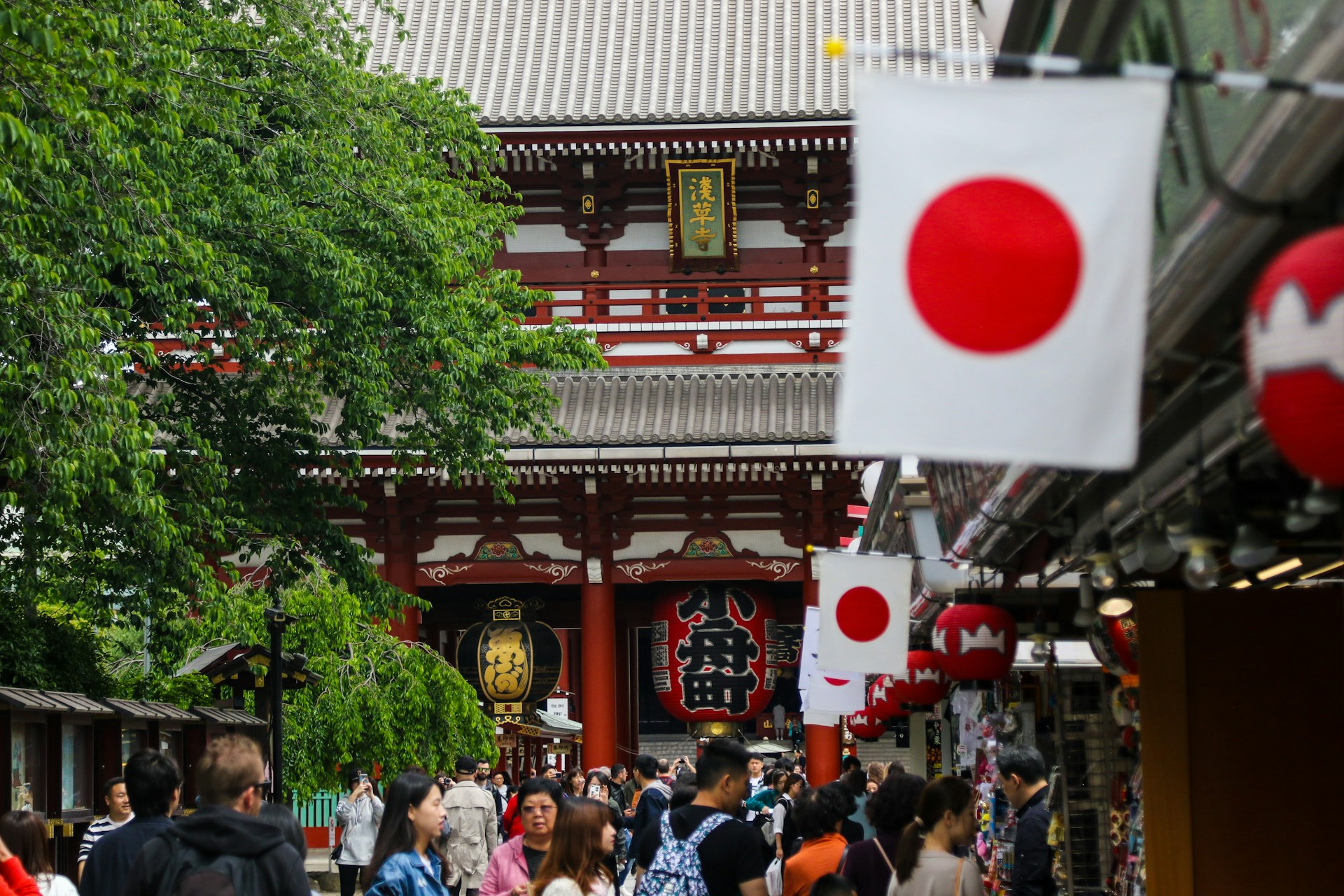
Senso-ji Temple
Senso-ji, Tokyo's oldest temple founded in 645 AD, anchors the historic Asakusa district with timeless spiritual presence. The massive Kaminarimon (Thunder Gate) with its iconic red lantern marks the entrance to centuries of tradition.
Nakamise-dori shopping street stretches 250 meters to the main hall, lined with 90+ traditional shops selling rice crackers, fans, dolls, and sweet treats. The approach ends at the incense burner where visitors waft purifying smoke over themselves before praying at the main hall.
The five-story pagoda and surrounding gardens create perfect photo compositions, especially when illuminated at night. Early morning visits before crowds arrive offer peaceful exploration and the best photography light. The adjacent Asakusa Shrine hosts the famous Sanja Matsuri, one of Tokyo's most exciting festivals each May.
Tip: Visit at dawn for peaceful exploration
Tokyo Joypolis
Tokyo Joypolis is Japan's largest indoor amusement park, located in Odaiba. SEGA operates this multi-floor entertainment complex featuring cutting-edge VR attractions, roller coasters, and arcade games.
Highlights include the Storm G roller coaster, VR attractions, and rhythm games with incredible production values. The indoor setting makes it perfect for rainy days or extreme heat. Evening visits offer a great combination with Odaiba's waterfront dining.
Tip: Perfect rainy day activity in Odaiba
Street Kart Akihabara
Race through Tokyo's streets in costume aboard street-legal go-karts on this unforgettable experience. Drive through Shibuya, Akihabara, and Rainbow Bridge while dressed as your favorite characters.
Tours run throughout the day and night, with evening tours offering spectacular views of Tokyo's neon-lit streets. International driving license required. A truly unique Tokyo experience.
Tip: International driving license required
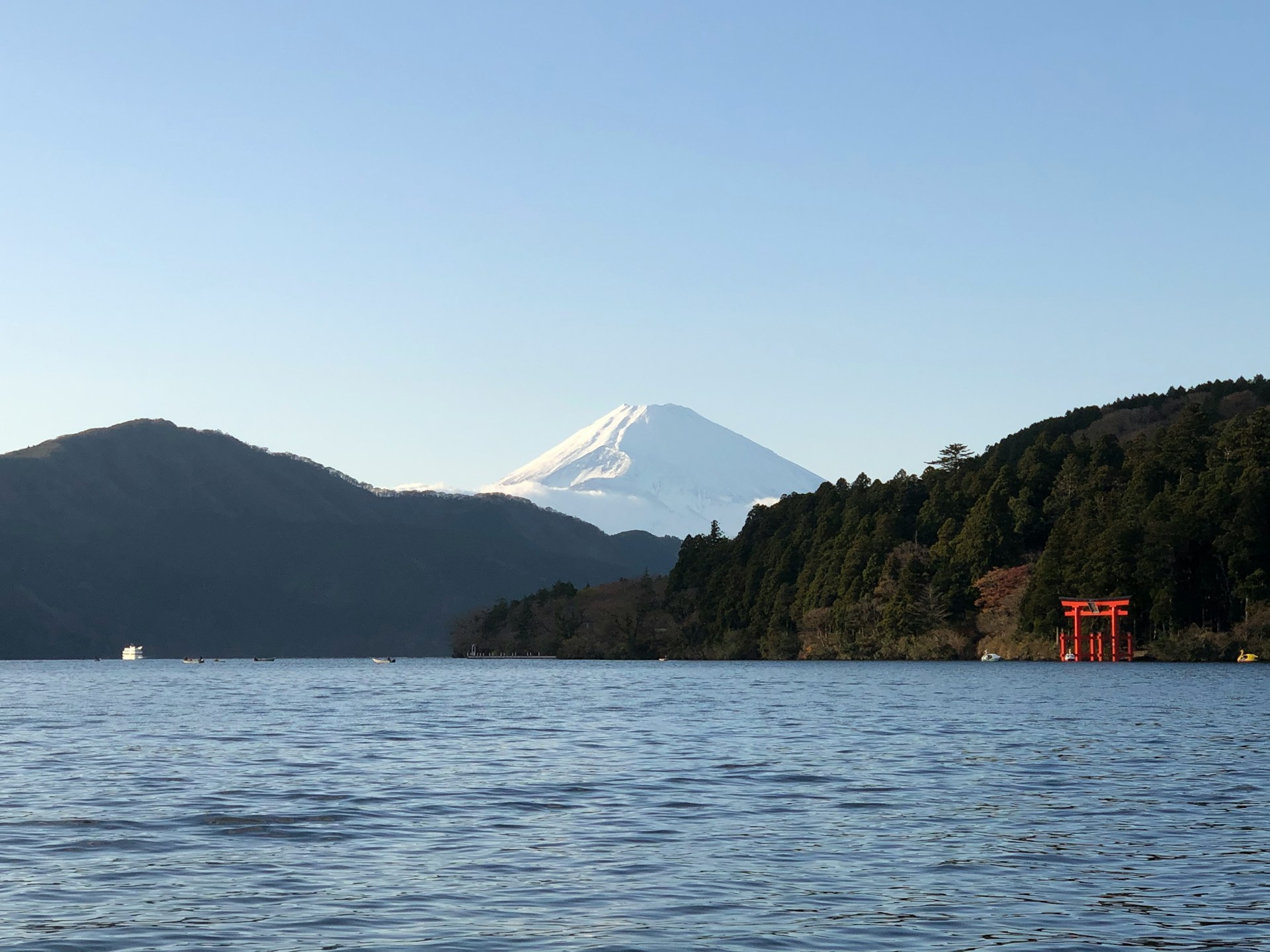
Fuji-Q Highland
Fuji-Q Highland delivers world-record roller coasters against the stunning backdrop of Mount Fuji. Thrill seekers find some of Japan's most extreme rides, including Fujiyama, Eejanaika, and Takabisha with its 121-degree drop.
Beyond coasters, attractions include Evangelion and Naruto themed experiences. Clear days reward with incredible Fuji views. The park is accessible as a day trip from Tokyo via the JR Chuo Line to Otsuki, then the Fuji Kyuko Line.
Tip: Book online for discounts
Where to eat in Tokyo
Tokyo has more Michelin stars than any other city. Explore the culinary capital.
Tsukiji Outer Market
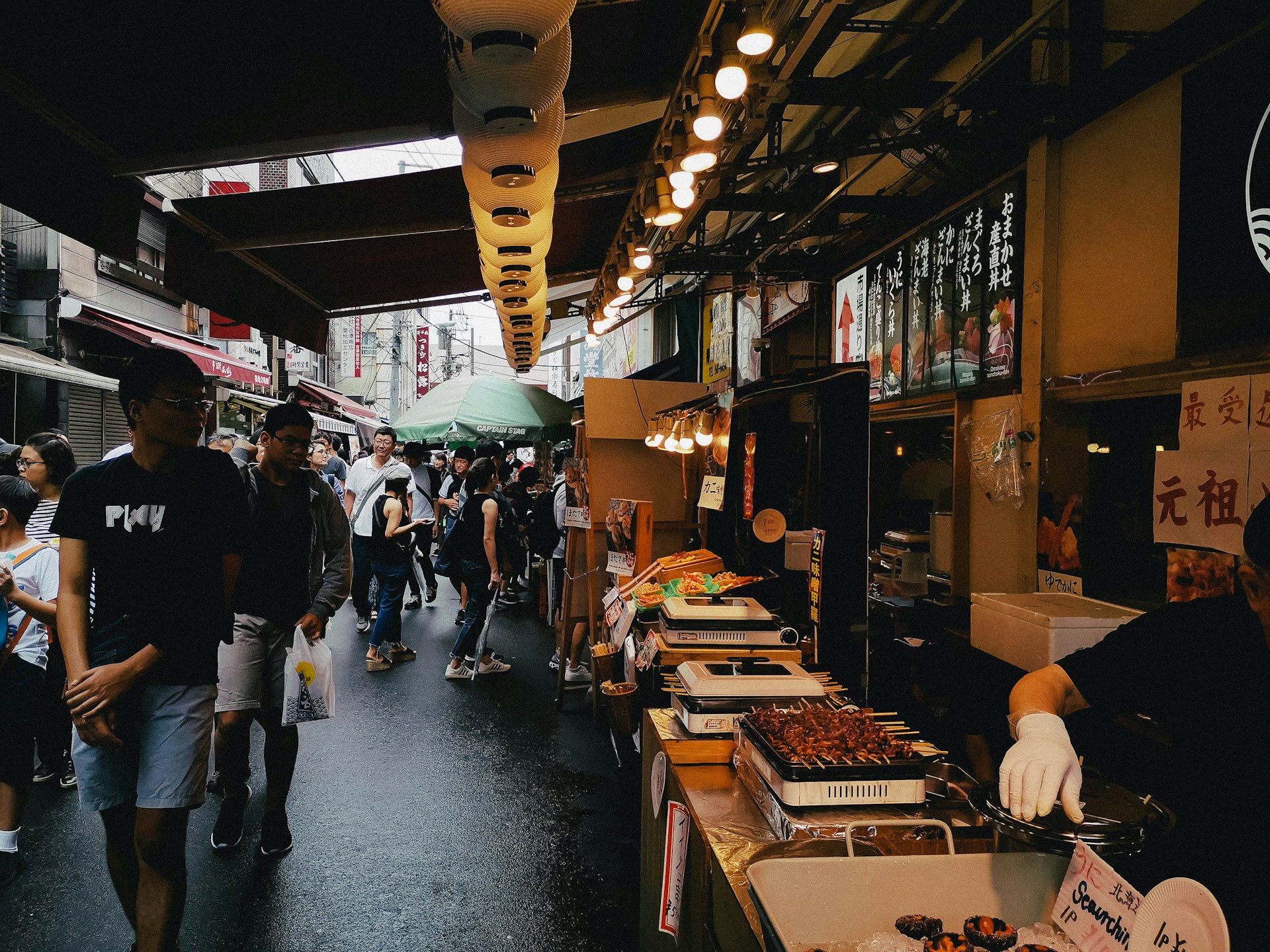
While the famous wholesale market moved to Toyosu, Tsukiji Outer Market continues thriving with 400+ vendors serving the freshest sushi breakfasts in Tokyo. Narrow lanes overflow with seafood stalls, sushi counters, and specialty shops catering to chefs and tourists alike.
Queue for premium sushi at counters where chefs slice fish before your eyes. Street food options include tamagoyaki (sweet omelet), grilled scallops on sticks, and fresh oysters. Knife shops sell professional-grade blades that serious cooks travel internationally to purchase.
Mornings between 7-9 AM capture peak energy when restaurant buyers mingle with early-rising tourists. Most vendors close by early afternoon, so breakfast or brunch visits work best. The adjacent Namiyoke Shrine protects market workers, and visiting before eating brings good luck.
Ramen Alley
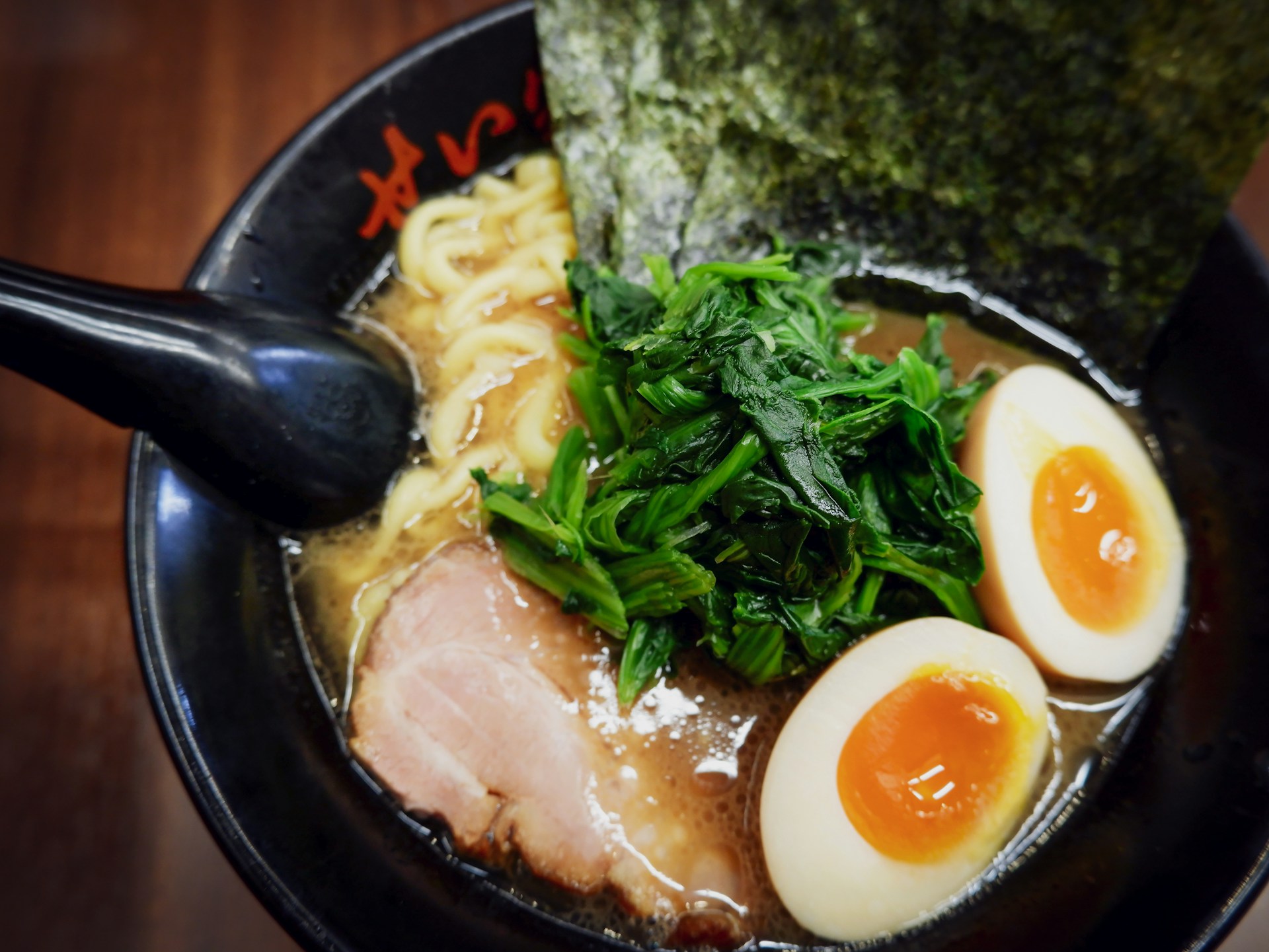
Tokyo's ramen scene offers overwhelming depth - from Michelin-starred bowls to 24-hour neighborhood shops. Each district champions different styles, and dedicated ramen hunters spend years exploring the city's thousands of shops.
Shinjuku's Fuunji draws perpetual queues for its intense tsukemen (dipping noodles). Ebisu's Afuri offers lighter yuzu-shio perfect for summer. Tokyo Station's Ramen Street concentrates top shops in one convenient location. Ikebukuro's Mutekiya serves rich tonkotsu rivaling Hakata's best.
Ticket machines require ordering before seating - watch others or ask staff for help. Slurping enhances flavor and shows appreciation. Most shops offer customization: noodle firmness, broth richness, garlic levels. Late-night ramen culture means many shops operate until 4 AM, providing perfect post-izakaya fuel.
Depachika
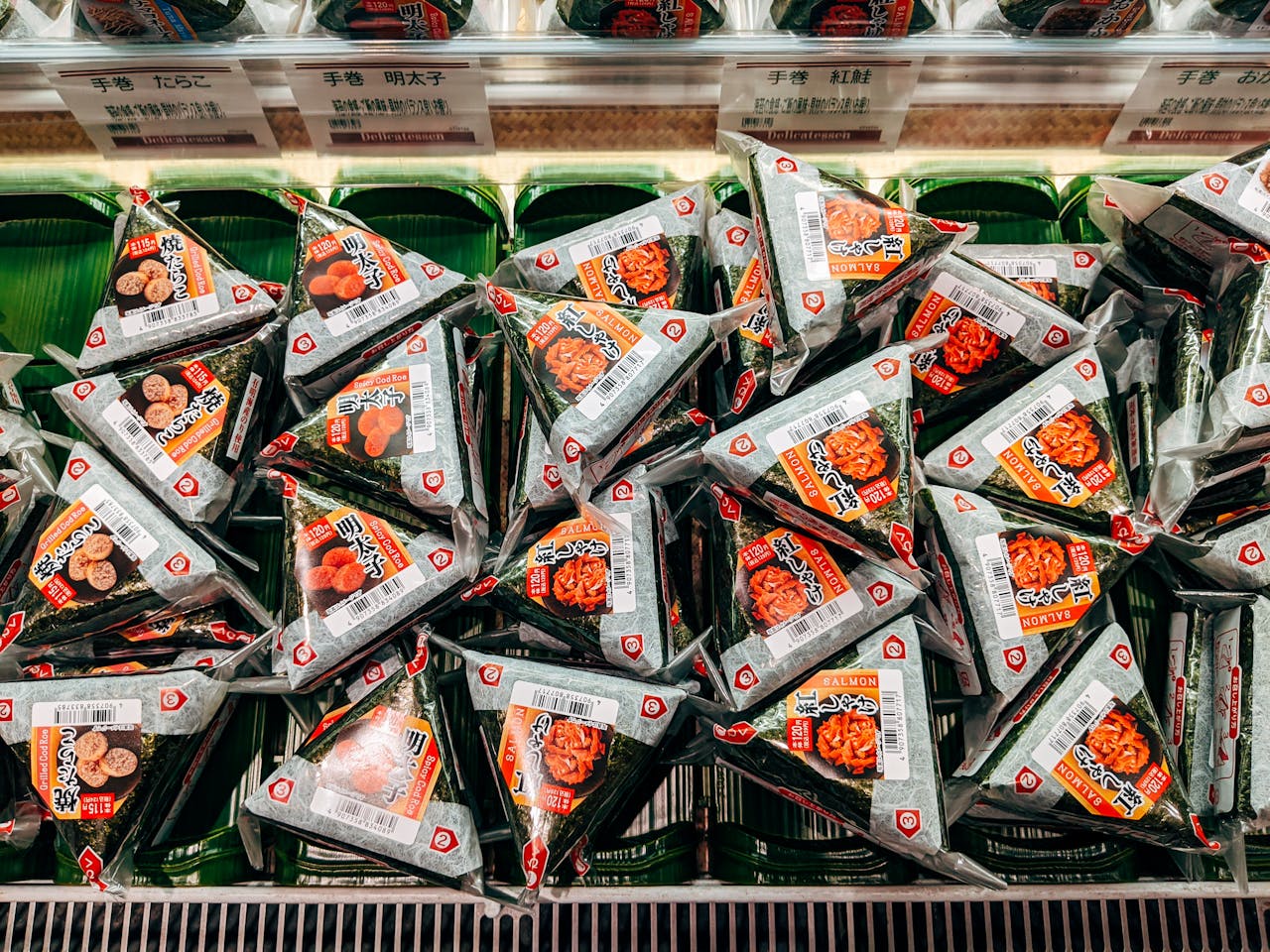
Depachika (department store basements) showcase Japanese food culture at its most refined - pristine displays of bento boxes, confections, and prepared foods that blur lines between grocery shopping and art appreciation.
Isetan Shinjuku and Takashimaya Nihombashi represent pinnacles of the form. Perfectly arranged wagashi (traditional sweets) make edible gifts. Premium fruits reach absurd prices - ¥10,000+ melons, individually wrapped strawberries. Ready-to-eat sections offer restaurant-quality meals at takeaway convenience.
Late evening discounts (typically after 7 PM) reduce prices on perishables, though popular items sell out early. The experience itself costs nothing - browsing elaborate displays, sampling offerings, and observing Japanese food presentation standards provides cultural immersion beyond eating.
Izakaya Dining
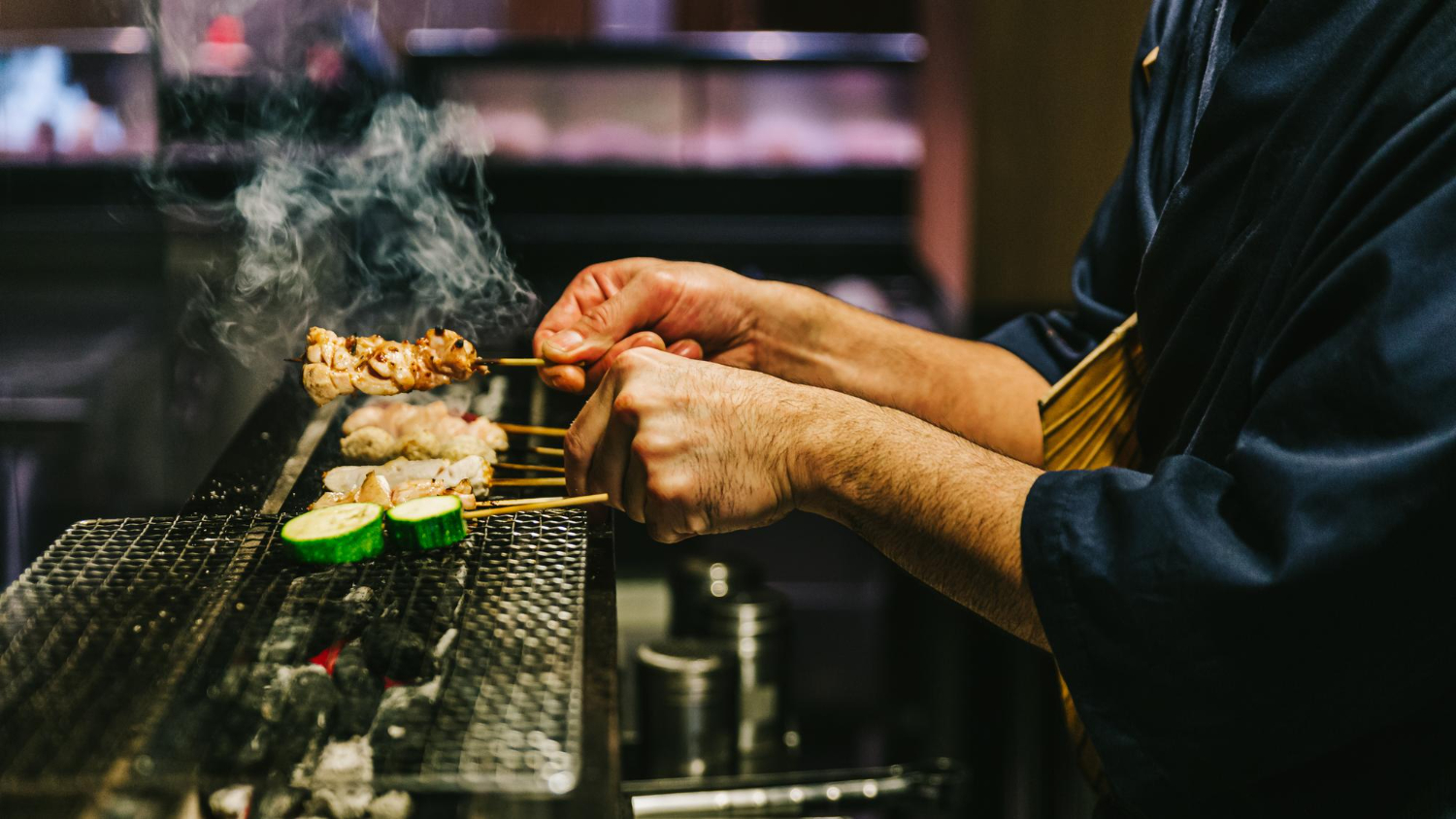
Izakaya culture defines Japanese nightlife - casual pub-restaurants where food and drink flow equally, encouraging hours of social dining. From standing-room-only yakitori joints to sprawling chain restaurants, izakaya suit every budget and preference.
Ordering follows a pattern: beer or highball first, then waves of small dishes to share. Yakitori (grilled chicken skewers) represents the quintessential izakaya food - every part of the bird prepared with precision over charcoal. Edamame, karaage (fried chicken), and sashimi round out most orders.
The district matters: Yurakucho's Gado-shita (under-tracks) izakaya offer atmospheric dining beneath elevated trains. Shinjuku's Golden Gai packs 200+ tiny bars into six alleys. Shibuya's Nonbei Yokocho preserves old-school drinking culture. Language barriers dissolve over drinks, and pointing at neighbors' dishes works perfectly for ordering.
Day trips from Tokyo
Use your JR Pass to explore beyond Tokyo with these easily accessible destinations.
Nikko
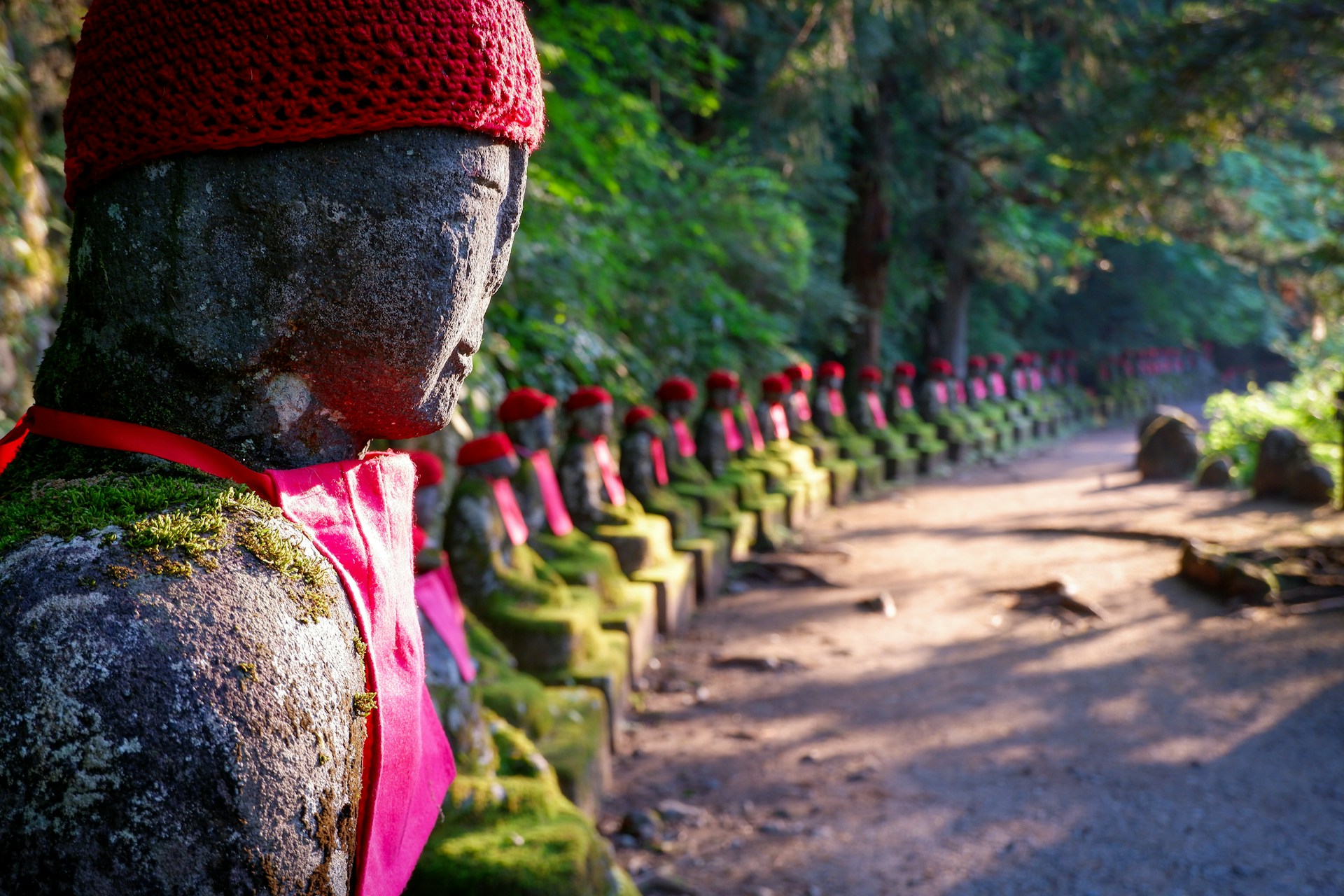
Nikko's UNESCO World Heritage shrines represent Japan's most elaborate religious architecture - gilded, painted, and carved with overwhelming detail honoring Tokugawa Ieyasu, founder of the shogunate that ruled Japan for 250 years.
Toshogu Shrine's famous "see no evil, speak no evil, hear no evil" monkeys and the Sleeping Cat carving draw photography crowds. The nearby mausoleum of Ieyasu requires climbing 207 stone steps through cryptomeria forest. Rinnoji Temple and Futarasan Shrine complete the sacred complex.
Beyond temples, Nikko offers natural beauty: Kegon Falls plunges 97 meters, Lake Chuzenji reflects autumn foliage spectacularly, and hiking trails reach Senjogahara plateau. JR Pass covers travel to Nikko Station on the Tohoku Shinkansen and JR Nikko Line combination.
Kamakura
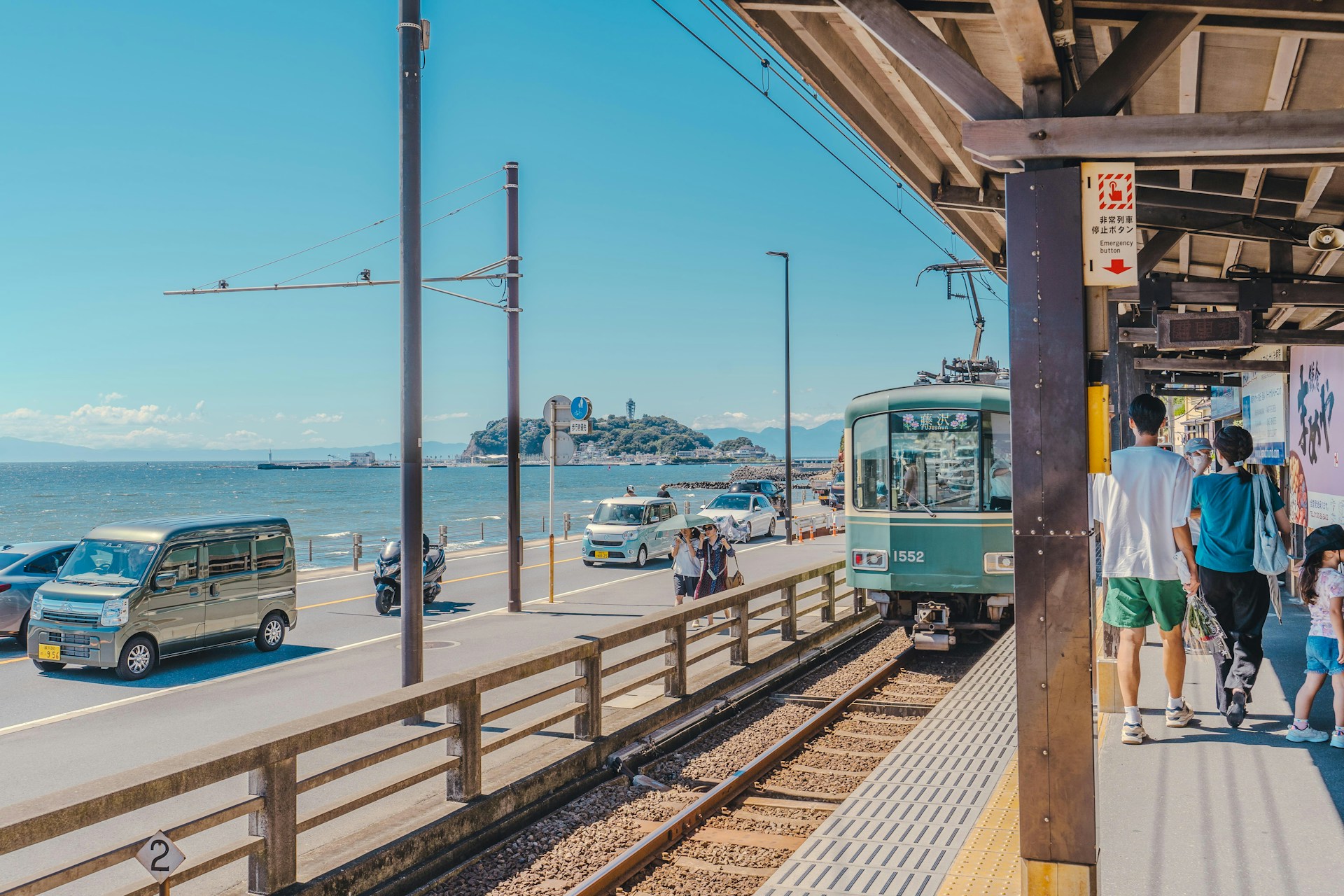
Kamakura served as Japan's first military capital (1185-1333), and its compact collection of temples, shrines, and the famous Great Buddha provide perfect day-trip combinations with beach visits.
The 13-meter bronze Great Buddha (Daibutsu) has sat in open air since a 1498 tsunami washed away its wooden hall. Nearby Hasedera temple houses an enormous golden Kannon statue and hillside gardens with ocean views. Tsurugaoka Hachimangu shrine anchors the town with its impressive approach and seasonal festivals.
Beach culture thrives in summer when Yuigahama and Zaimokuza beaches draw Tokyo crowds. Komachi-dori shopping street offers cafes, souvenirs, and local specialties. Hiking trails connect temples through forested hills. JR Yokosuka Line runs directly from Tokyo, covered by JR Pass.
Mount Fuji & Hakone
Japan's iconic volcano inspires from multiple vantage points - Hakone's hot spring resorts, Lake Kawaguchiko's reflection, and the mountain itself for climbing season visitors. Clear views depend on weather, with winter mornings and spring evenings offering best odds.
Hakone combines mountain scenery with onsen relaxation. The famous Hakone Free Pass (not JR) covers pirate ships, cable cars, and ropeway across volcanic valleys. Open-air museums showcase sculpture against mountain backdrops. Traditional ryokan offer kaiseki dinners and hot spring bathing.
Kawaguchiko provides the classic Fuji reflection photographs. Five lakes at the mountain's base each offer distinct views and activities. JR Pass covers the shinkansen to Odawara, gateway to Hakone's transportation network. The climbing season runs July-August, requiring significant preparation for summit attempts.
Yokohama
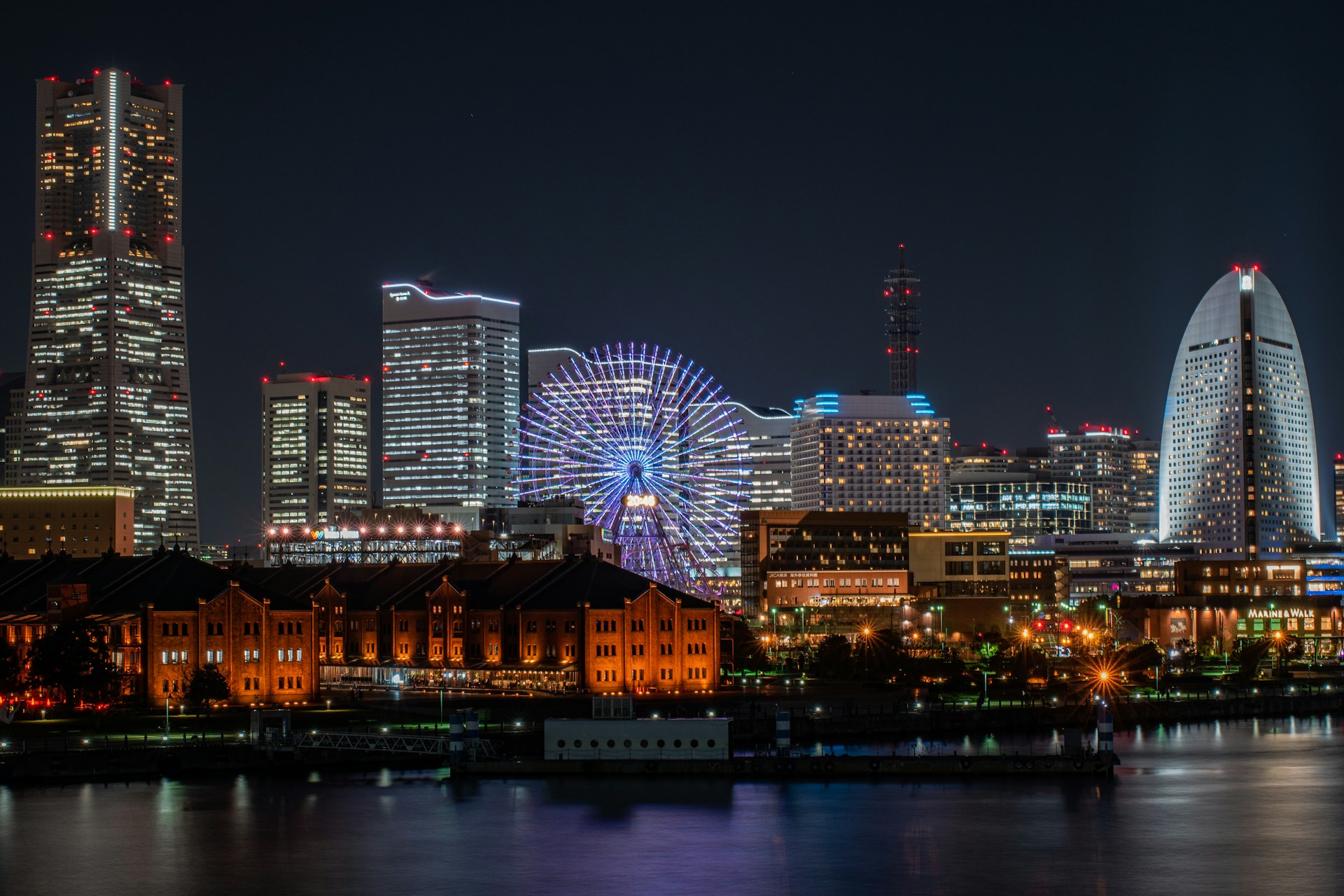
Japan's second-largest city offers distinct atmosphere from Tokyo - waterfront developments, Japan's largest Chinatown, and international influences from its port city heritage blend into sophisticated urban experiences.
Minato Mirai's futuristic skyline includes the landmark Cosmo Clock 21 Ferris wheel, Cup Noodles Museum with customizable instant ramen creation, and the Landmark Tower's Sky Garden observatory. Yokohama Chinatown's 500+ restaurants and shops create vibrant dining and shopping.
Red Brick Warehouse hosts events and shopping in restored industrial architecture. Sankeien Garden preserves historic buildings from across Japan in traditional landscape settings. The Ramen Museum celebrates noodle history while offering regional varieties for tasting. JR Tokaido and Yokosuka lines run frequently from Tokyo, covered by JR Pass.
Shopping in Tokyo
From luxury boutiques to quirky vintage finds - a paradise for every style.
Ginza
Tokyo's most prestigious shopping district features every major luxury brand in architectural flagship stores. Ginza Six, Mitsukoshi, and Matsuya department stores anchor blocks of high-end retail. Weekend pedestrian zones transform streets into promenades.
Harajuku & Omotesando
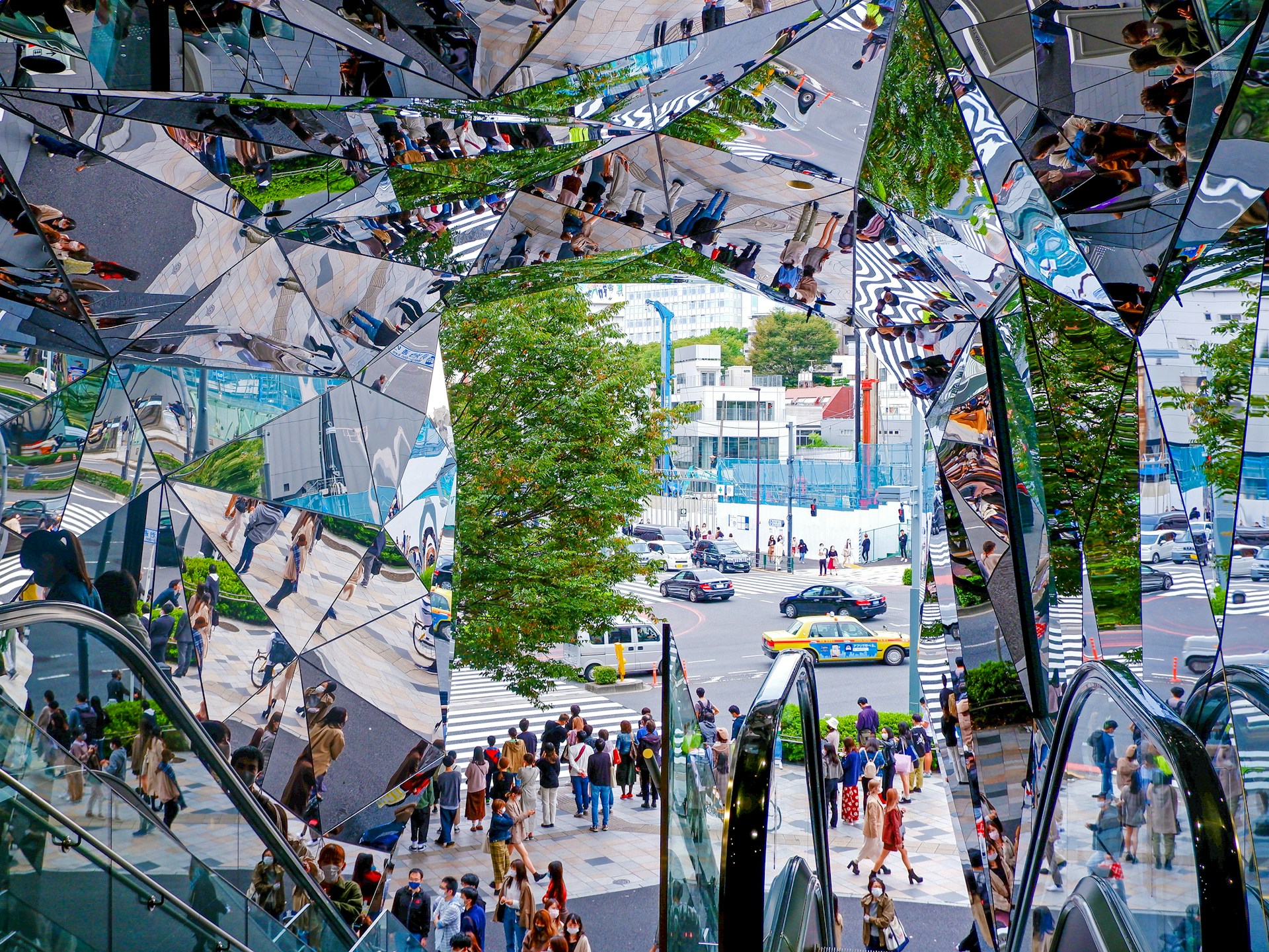
From Takeshita Street's youth fashion explosion to Omotesando's designer flagships, this district spans the full fashion spectrum. Vintage shops, concept stores, and brands launching Japan-exclusive items reward dedicated exploration.
Akihabara
The otaku paradise offers electronics, anime merchandise, manga, figures, and gaming culture in concentrated form. Yodobashi Camera's nine floors satisfy tech needs, while specialty shops serve niche collector interests unavailable elsewhere.
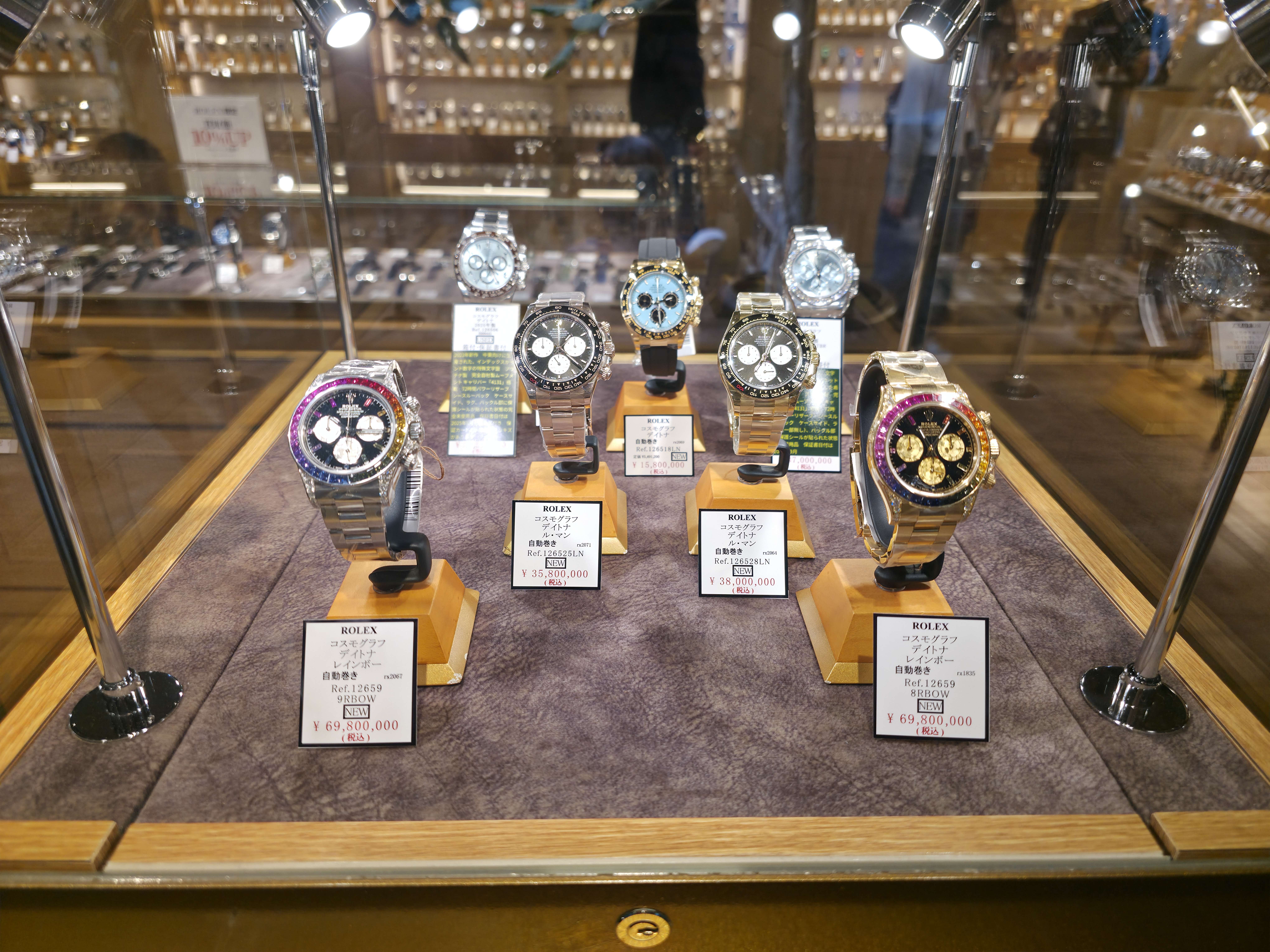
Nakano Broadway
Akihabara's less-touristy alternative offers similar merchandise in more atmospheric setting. Mandarake's multiple locations stock vintage manga, figures, and rare collectibles. Prices often beat Akihabara for serious collectors.
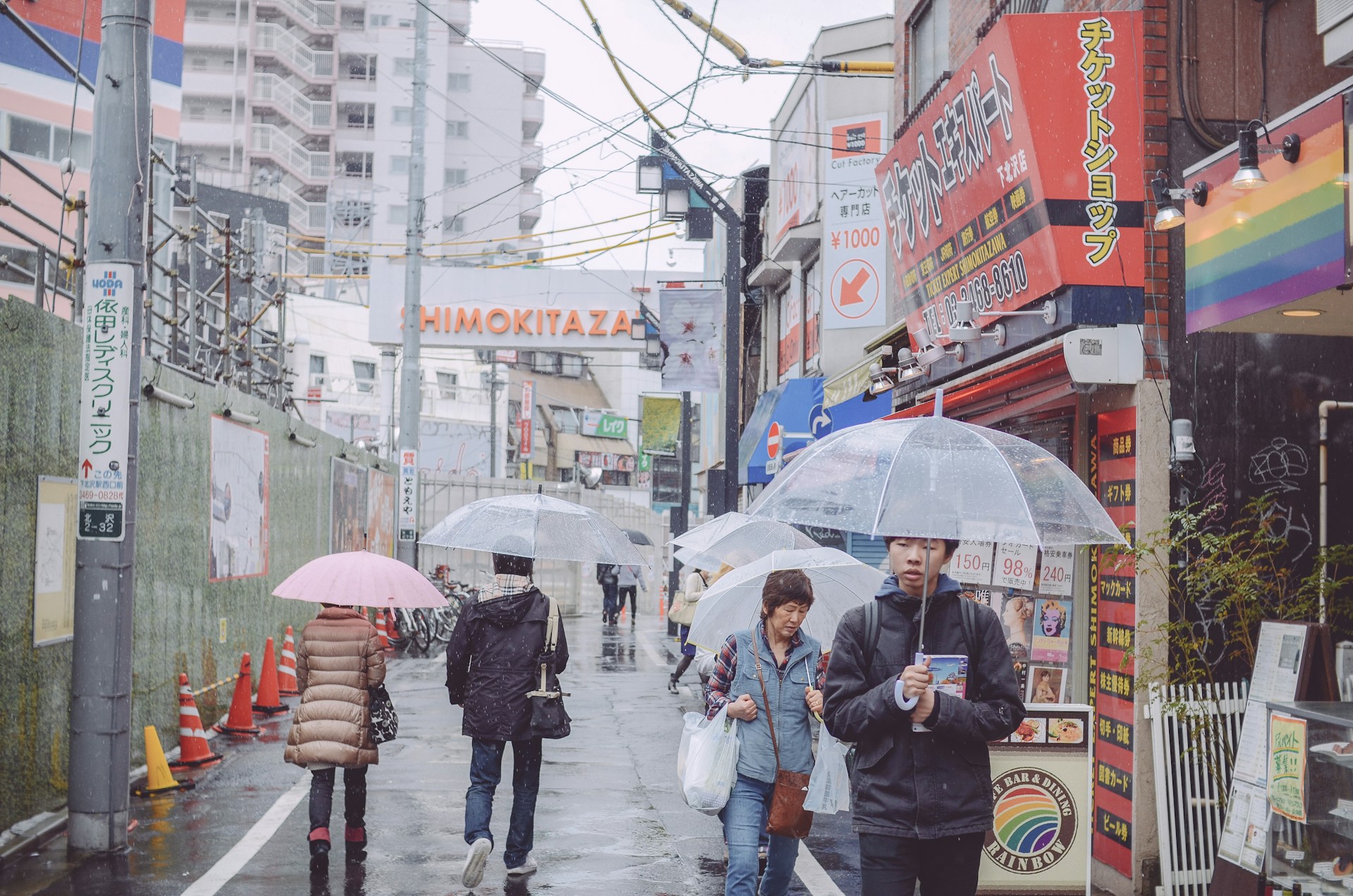
Shimokitazawa
Tokyo's bohemian neighborhood features independent boutiques, vintage clothing shops, and creative retail concepts. Narrow lanes reward random exploration with cafes, record shops, and emerging designers. Less crowded than central districts.
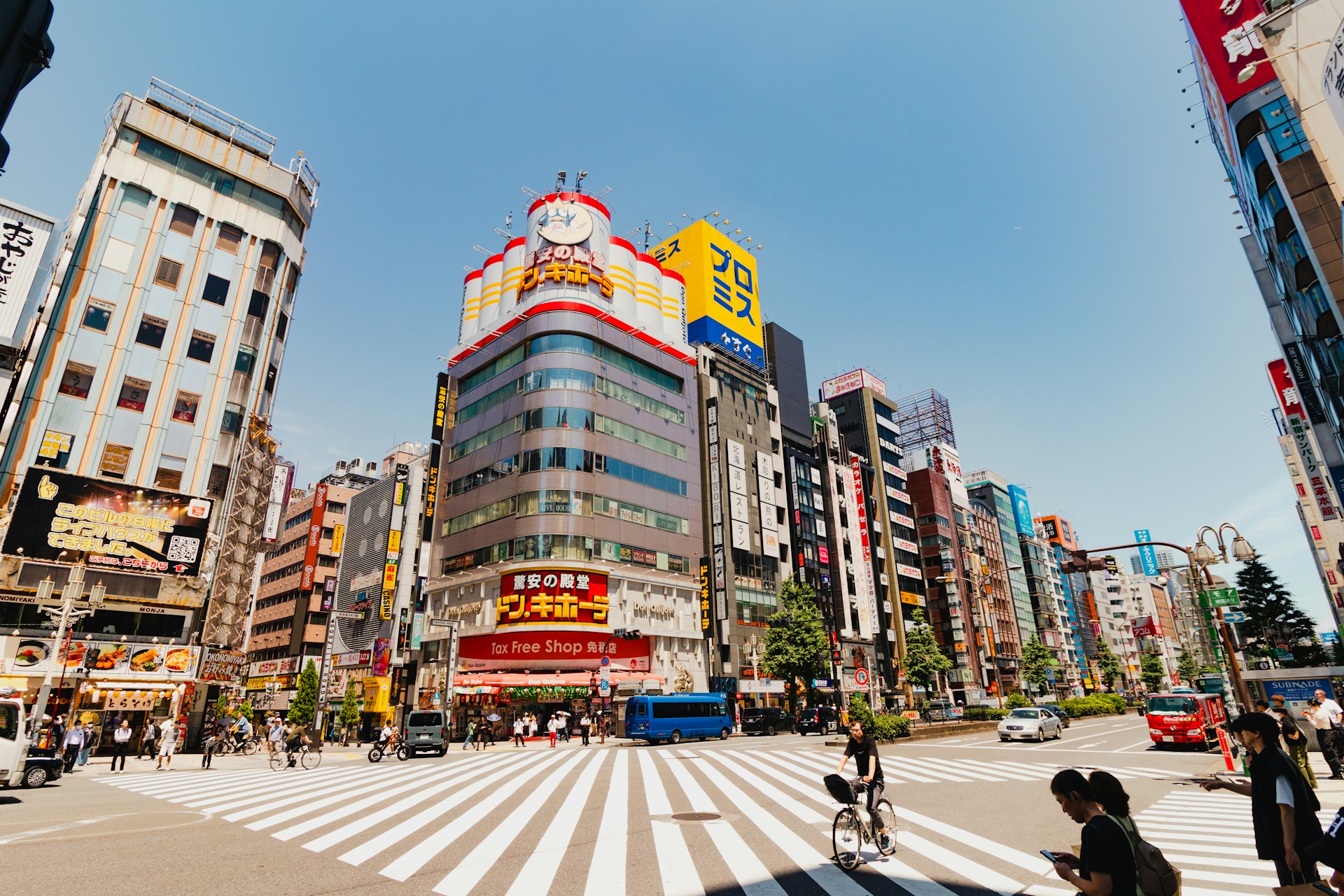
Don Quijote
The legendary discount chain stocks everything from electronics to costumes, cosmetics to snacks across chaotic multi-story locations open 24 hours. Tax-free shopping and competitive prices make it essential for souvenir hunting. The Shibuya location anchors Dogenzaka with its iconic exterior.
Seasonal highlights
Tokyo transforms with each season, offering unique experiences year-round.
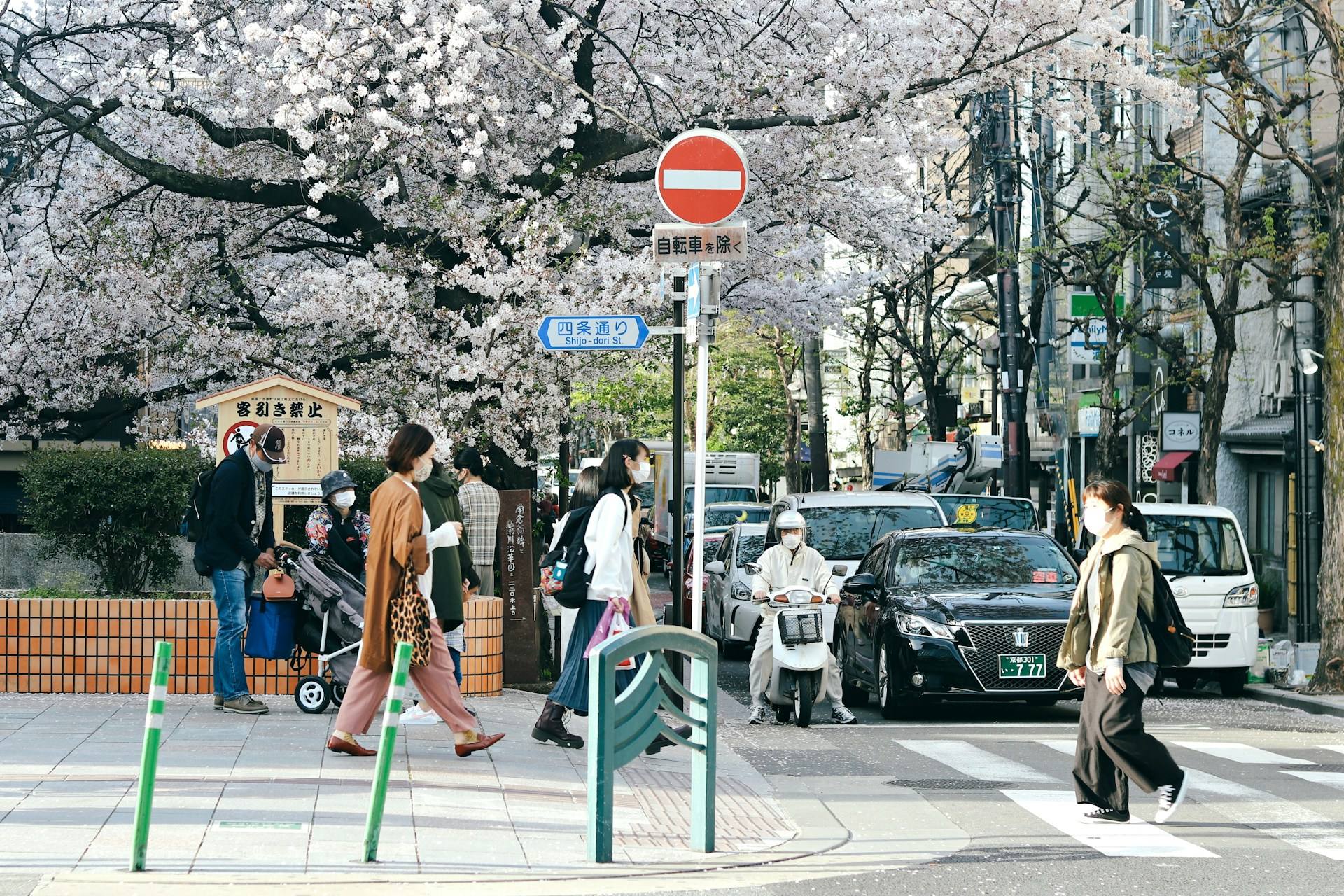
Spring
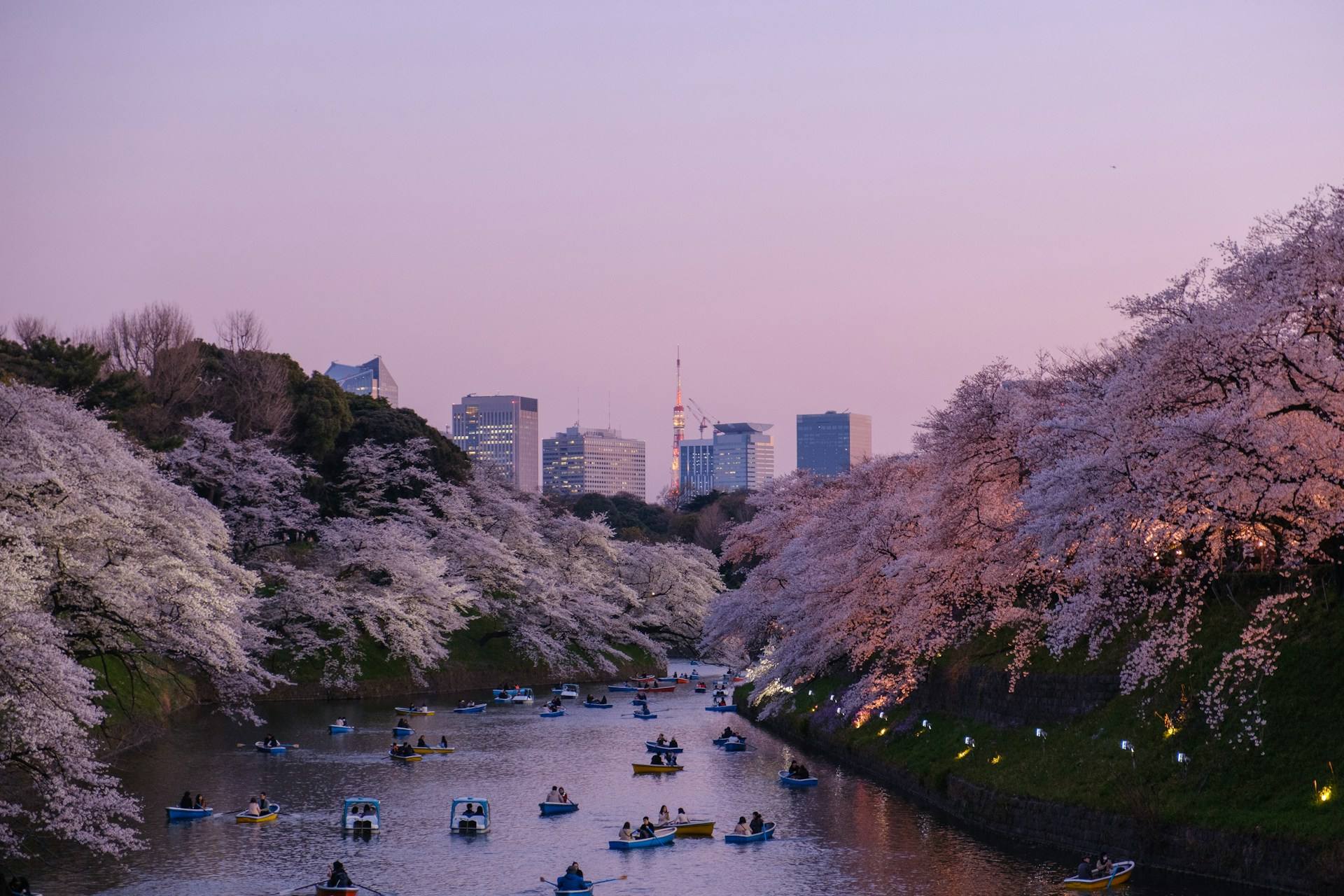
Cherry blossom season transforms Tokyo into pink paradise, drawing millions for hanami (flower viewing) picnics beneath blooming trees. Ueno Park's 1,000 trees create festive atmosphere day and night. Shinjuku Gyoen's mix of early and late varieties extends viewing season. Meguro River's canal-side trees create tunnel effects perfect for photography. Peak timing varies annually - typically late March to early April - with forecasts dominating Japanese media.
Summer
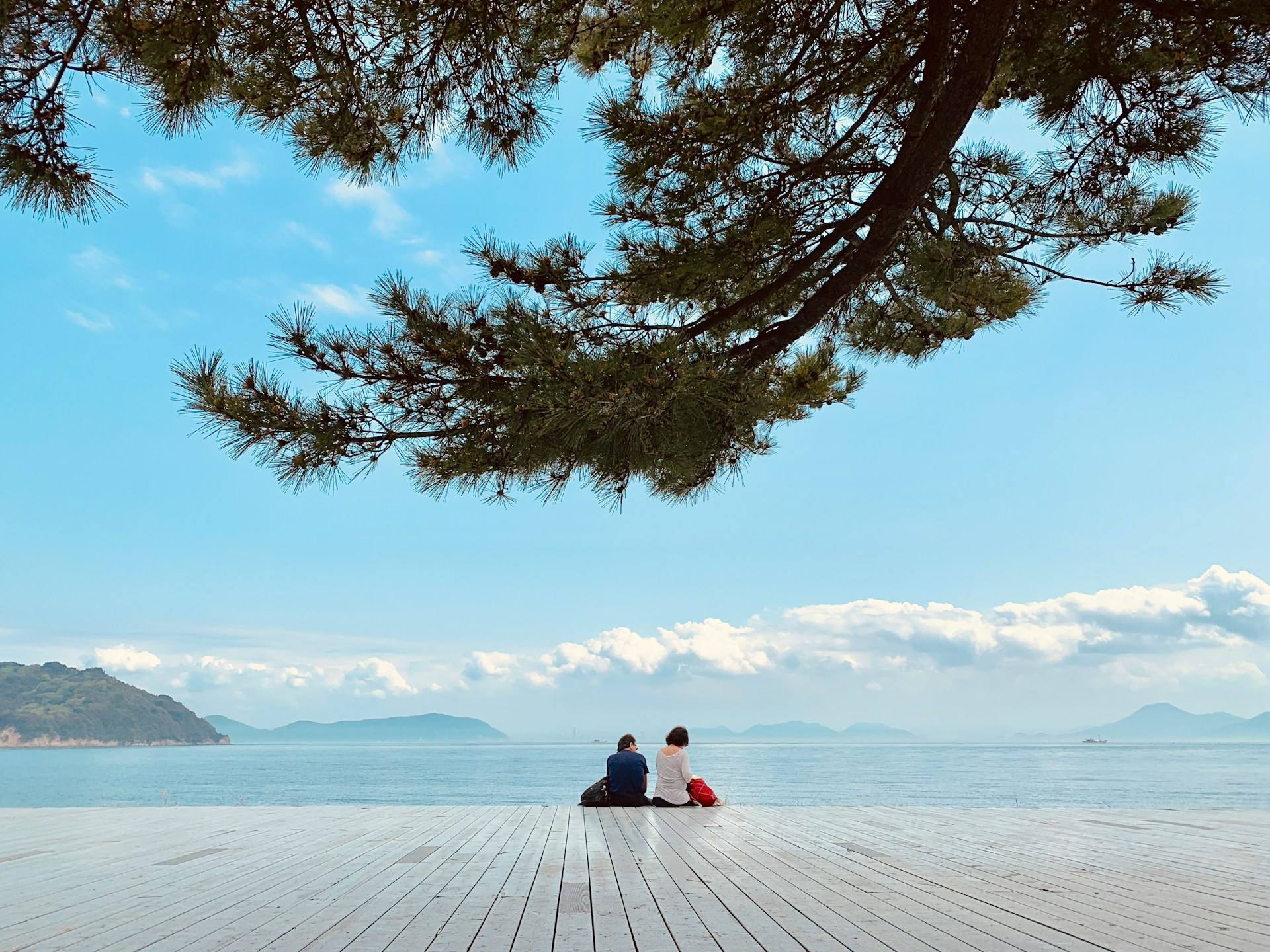
Summer brings hanabi (fireworks) festivals lighting up Tokyo's night sky. The Sumida River Fireworks Festival (late July) draws over a million viewers. Neighborhood matsuri (festivals) feature portable shrines, taiko drums, and street food stalls. Yukata (summer kimono) become common street wear. Intense humidity challenges visitors, but air-conditioned depachika, museums, and shopping provide relief between outdoor activities.
Autumn
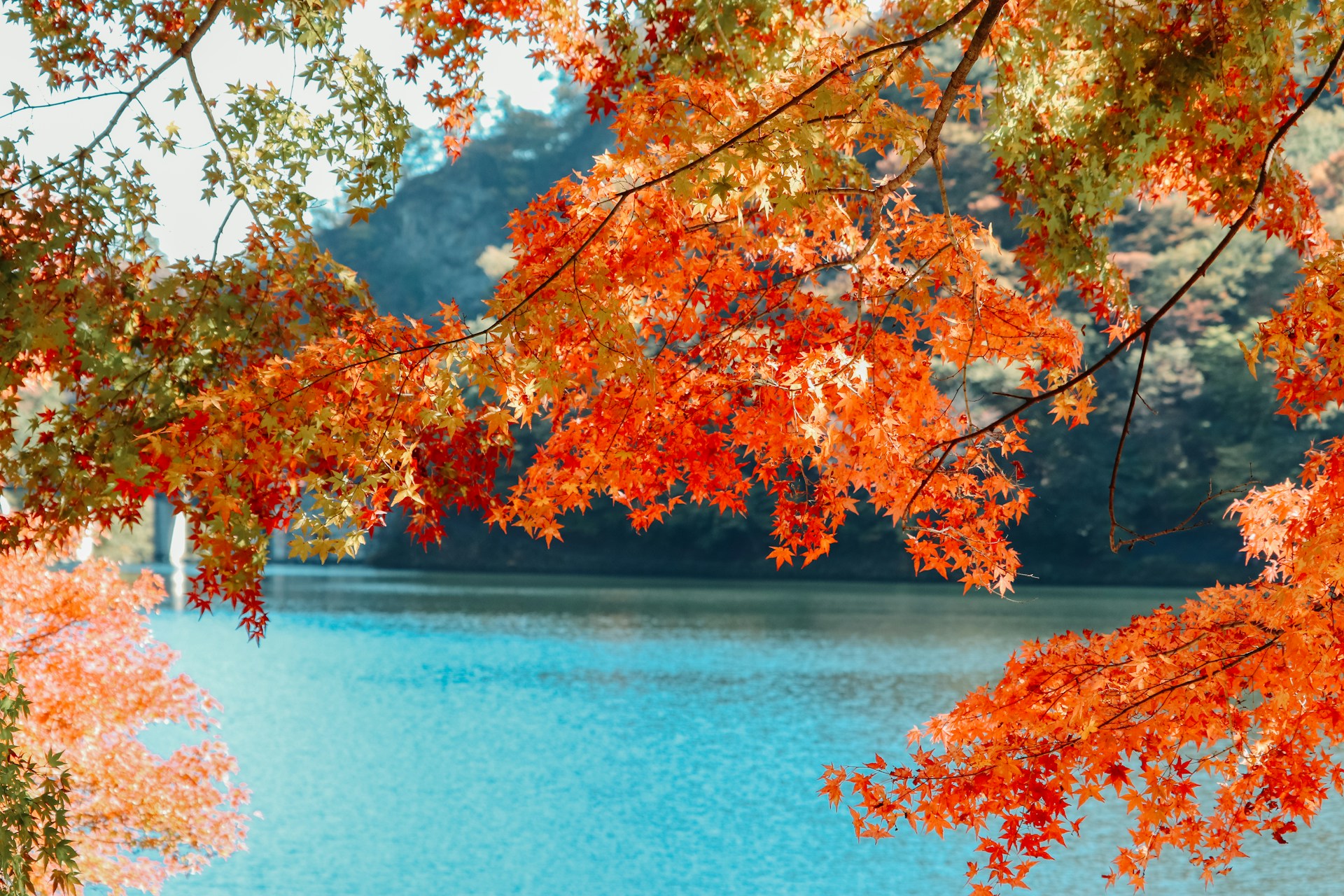
Autumn colors peak later than Kyoto, typically mid-to-late November. Rikugien Garden offers evening illuminations highlighting crimson maples. Koishikawa Korakuen's stroll garden showcases seasonal transition beautifully. Meiji Shrine's surrounding forest provides natural koyo viewing. Comfortable temperatures make autumn ideal for extensive walking and temple exploration.
Winter
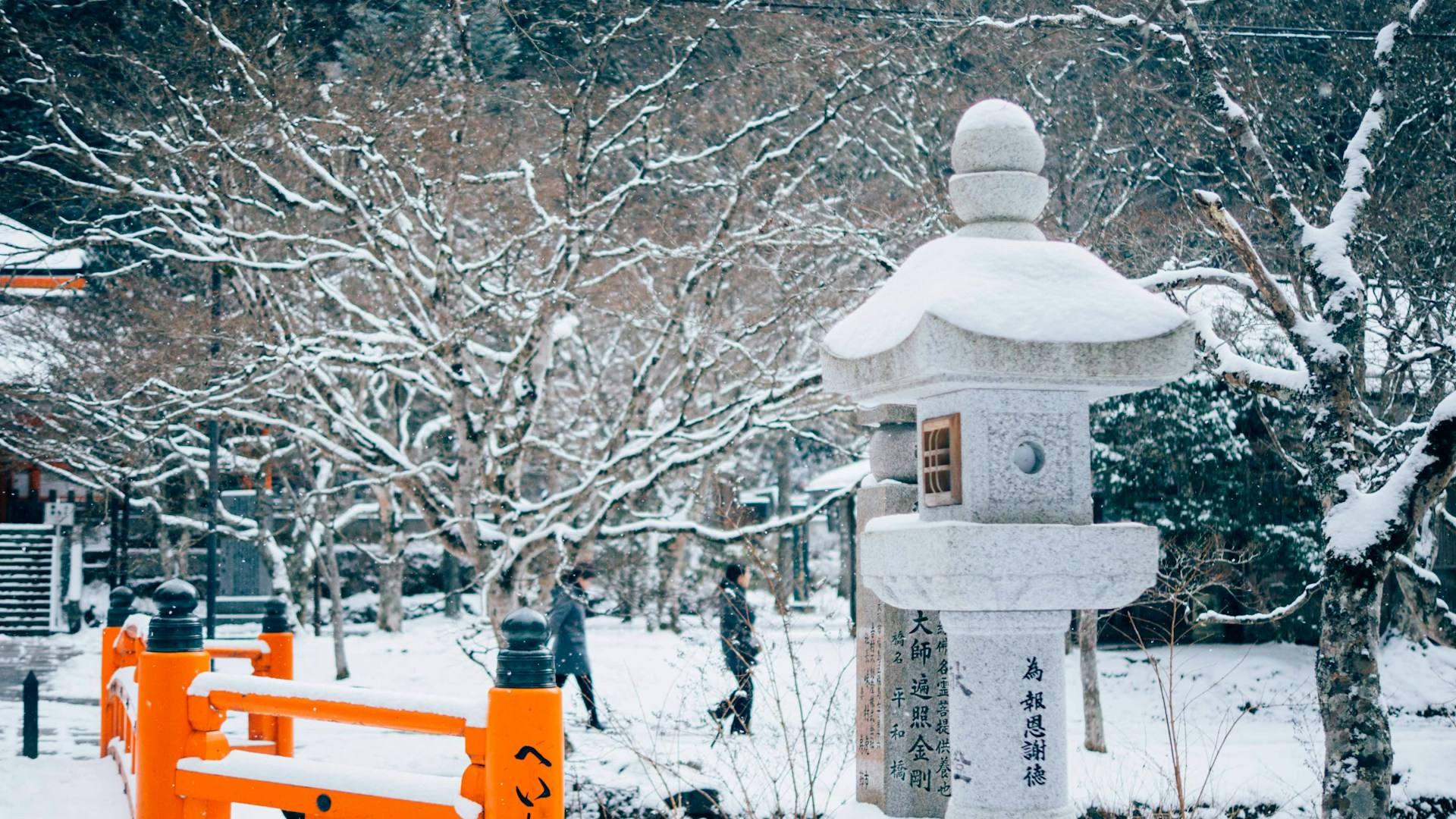
Winter illuminations transform Tokyo's streets into sparkling wonderlands from mid-November through February. Marunouchi's champagne-gold boulevard creates elegant atmosphere. Roppongi Hills and Tokyo Midtown offer elaborate displays. Shiodome's Caretta building hosts annual themed illuminations. New Year celebrations at Meiji Shrine draw millions for hatsumode, the first shrine visit. Clear winter air provides best Mount Fuji visibility from observation decks.
Practical tips
Essential information for navigating Tokyo smoothly.
Transportation
- Get a Suica or Pasmo IC card for convenient payment
- The JR Yamanote Line circles central Tokyo
- Last trains run around midnight
- Rush hour (7:30-9:30 AM) is extremely crowded
Money
- Japan is still cash-heavy - carry yen
- 7-Eleven ATMs accept international cards
- Tax-free shopping over ¥5,000
- Tipping is not customary
Etiquette
- Remove shoes when entering homes and temples
- Don't eat while walking on the street
- Keep phone calls quiet on trains
- Queue orderly and wait for passengers to exit
Connectivity
- Free WiFi at stations and convenience stores
- Consider pocket WiFi or eSIM
- Download offline maps before arriving
- Google Maps works excellently
Navigate Tokyo with your JR Pass
Your JR Pass covers the JR Yamanote Line (circular route connecting major stations), JR Chuo Line, and day trips to Nikko, Kamakura, and Mount Fuji area. Combine with subway for full coverage.
Key JR stations in Tokyo
JR Pass Covered
Shinkansen hub, all major JR lines
World's busiest, Yamanote & Chuo Lines
Yamanote Line, Shibuya Crossing
Yamanote Line, otaku culture
Yamanote Line, museums & park