Kinkaku-ji
The Golden Pavilion, Kyoto
What is the Golden Pavilion?
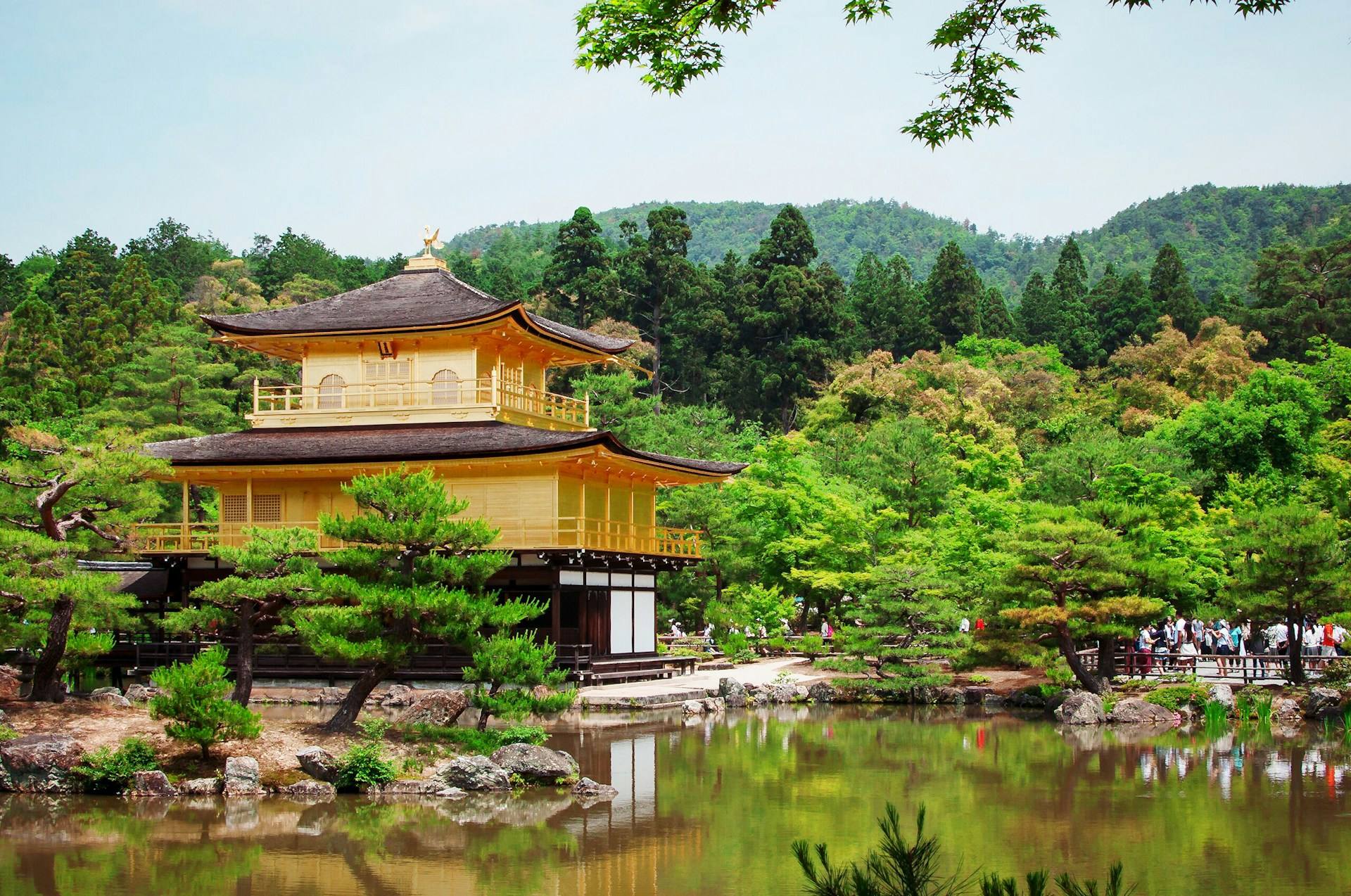
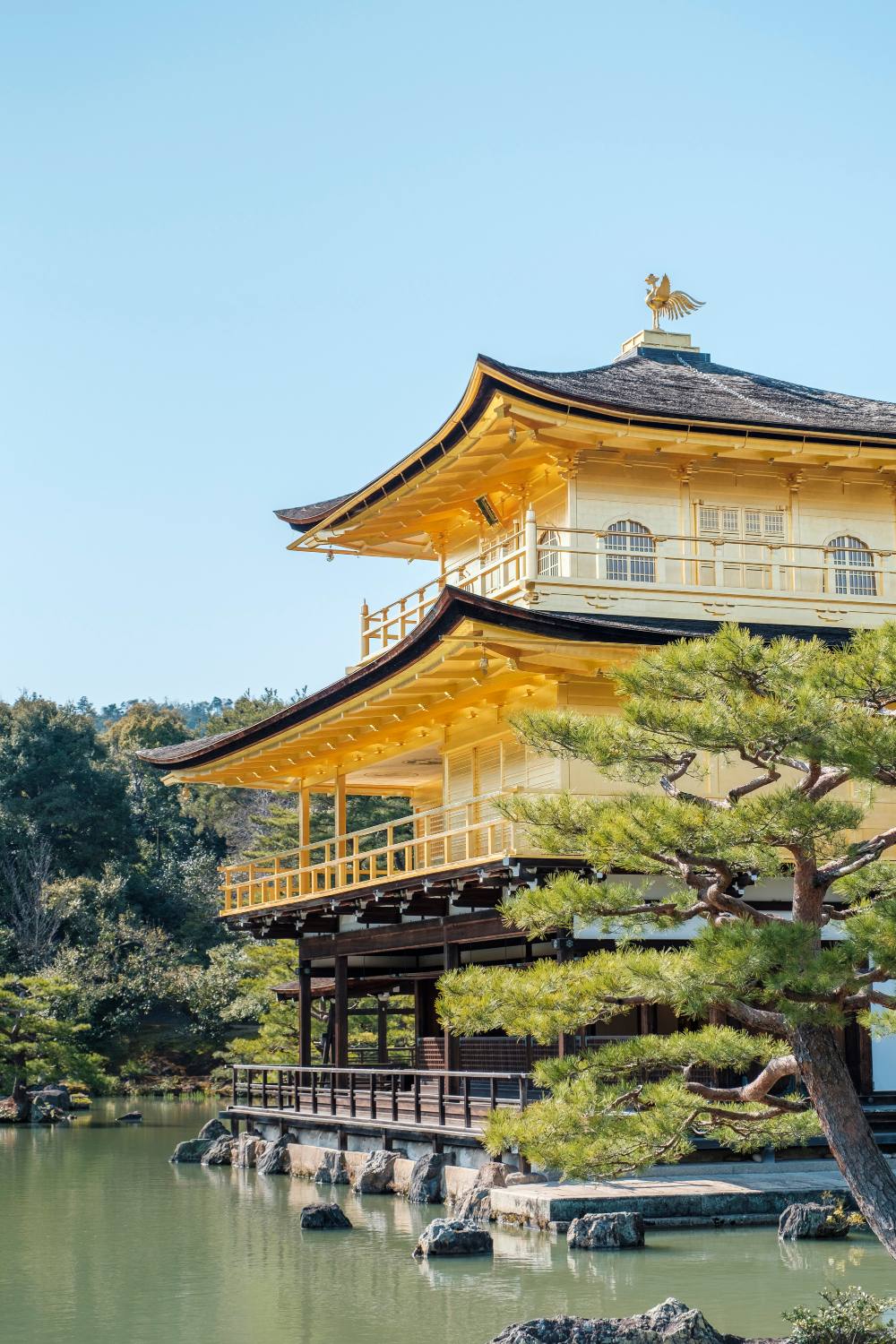
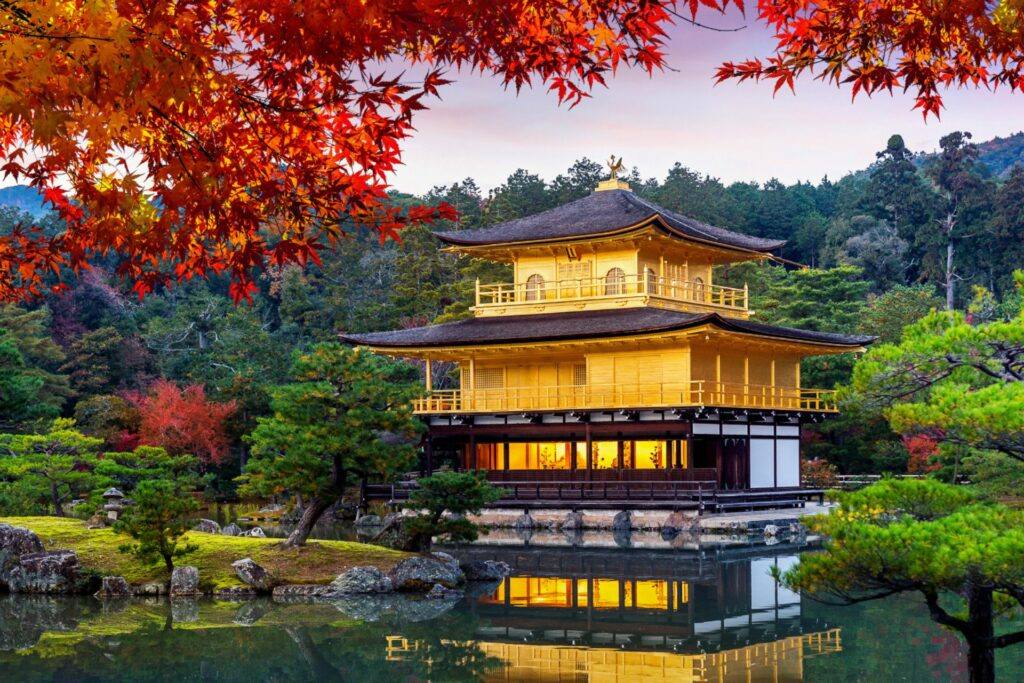
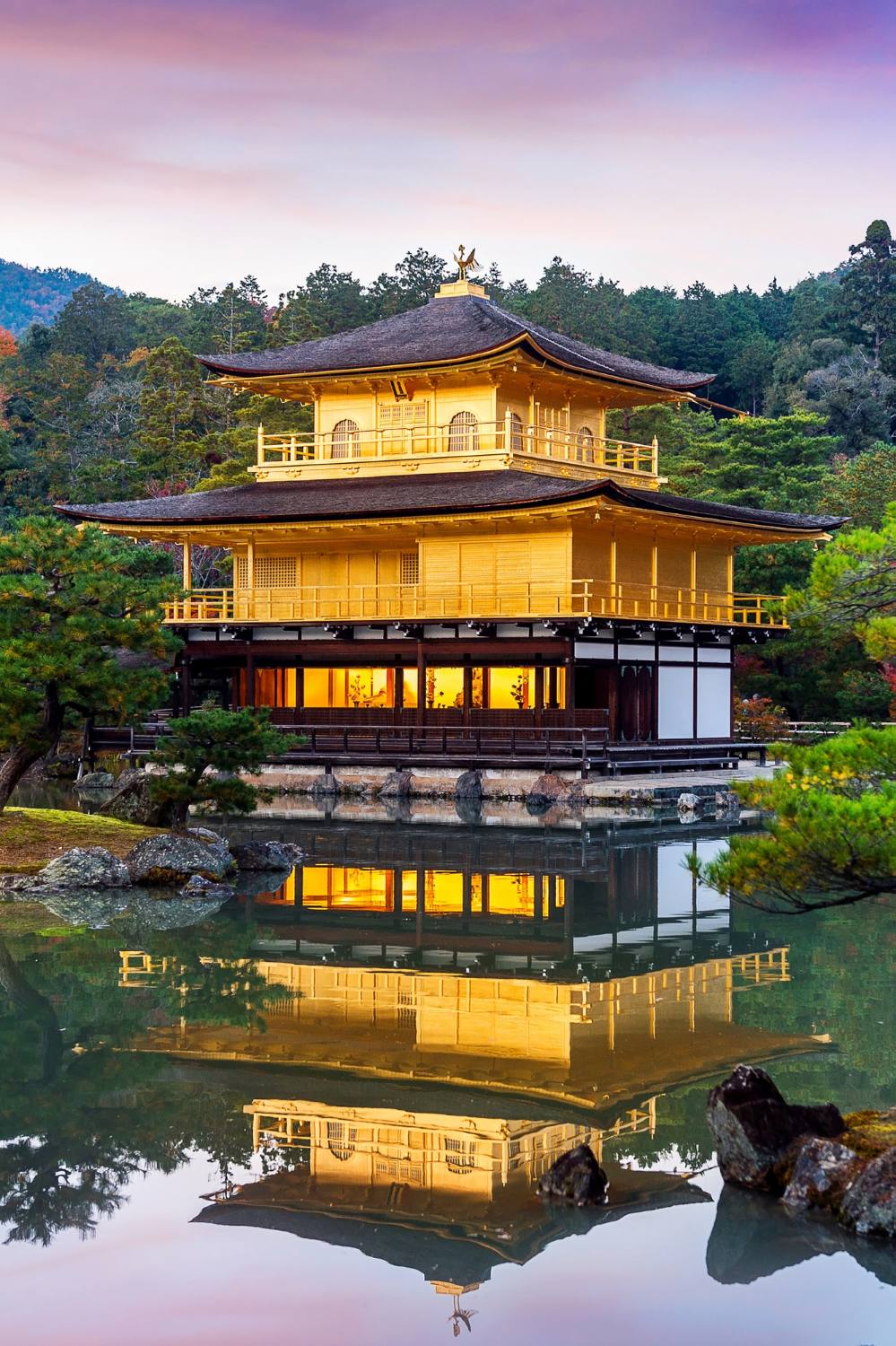
Kinkaku-ji, also known as the Golden Pavilion, is one of Kyoto's most famous landmarks and a UNESCO World Heritage Site. This stunning Zen Buddhist temple, covered in gold leaf, reflects beautifully on a tranquil pond, creating one of Japan's most photographed scenes.
Originally built in 1397 as a retirement villa for shogun Ashikaga Yoshimitsu, the building was converted into a Zen temple after his death. The current structure is a reconstruction from 1955, after the original was burned down by a young monk in 1950 - an event that inspired Yukio Mishima's famous novel "The Temple of the Golden Pavilion."
Visiting Kinkaku-ji is a must for anyone traveling to Kyoto, offering a glimpse into Japan's rich history and breathtaking beauty. The sight of golden walls reflecting on the mirror-like pond is truly unforgettable and represents the pinnacle of Muromachi period architecture.
What to see and do
Make the most of your visit to this iconic Kyoto landmark.
The golden temple
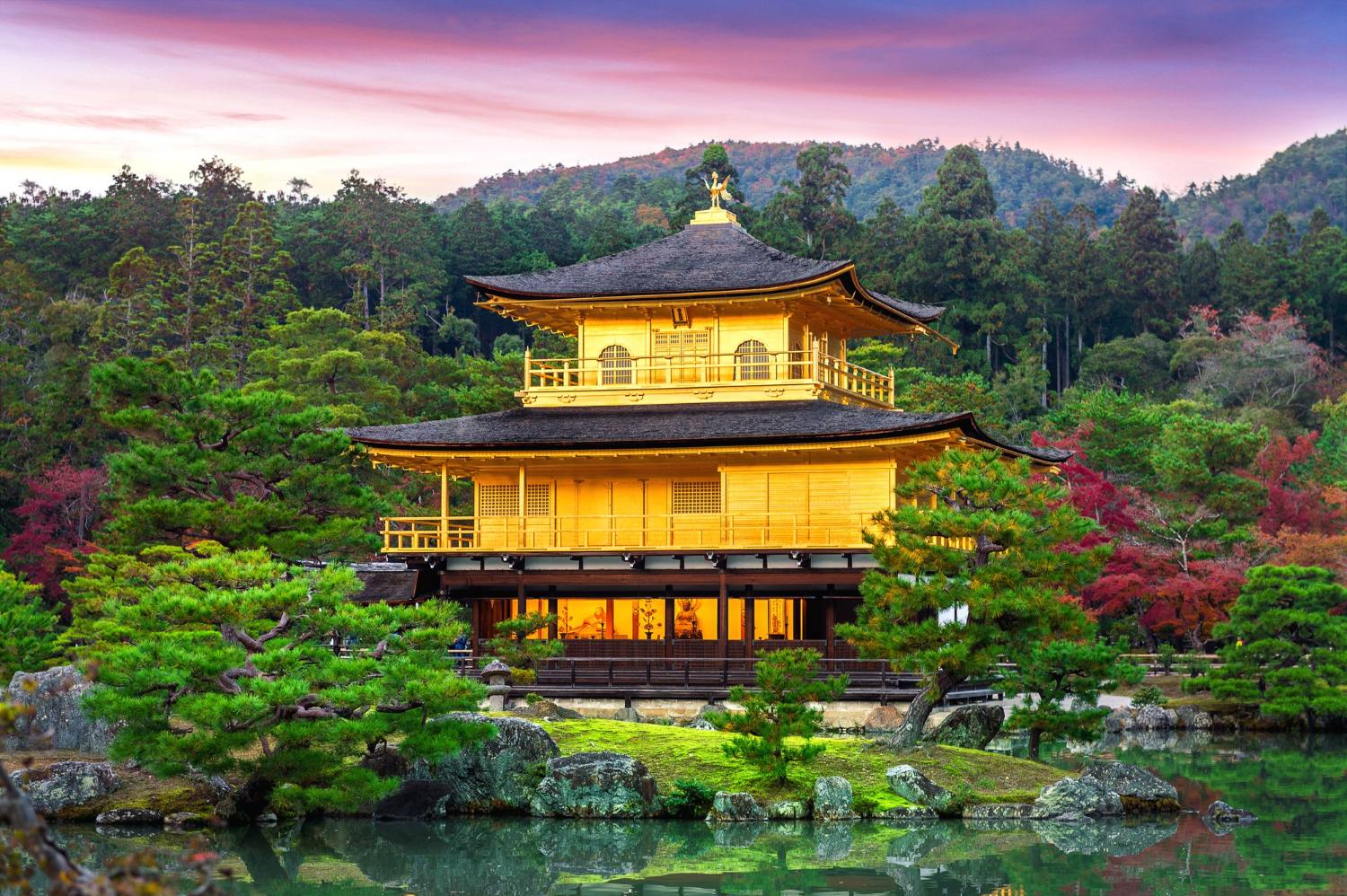
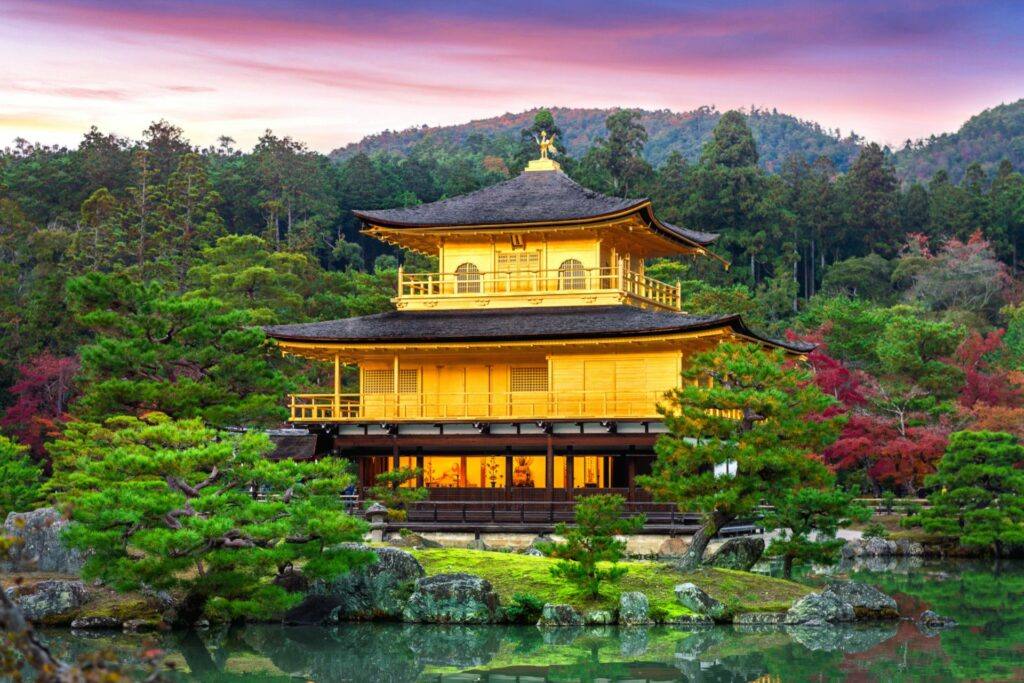
When you arrive, the sight of the Golden Pavilion shimmering in the sunlight is unforgettable. The temple is covered in gold leaf on its top two floors, and the entire structure reflects beautifully on the Mirror Pond (Kyoko-chi). The pavilion represents three distinct architectural styles: the first floor is Shinden style, the second is Buke style, and the third is Chinese Zen style. Take your time to admire the architecture from various angles around the pond - each viewpoint offers a unique perspective of this magnificent structure.
The Zen garden
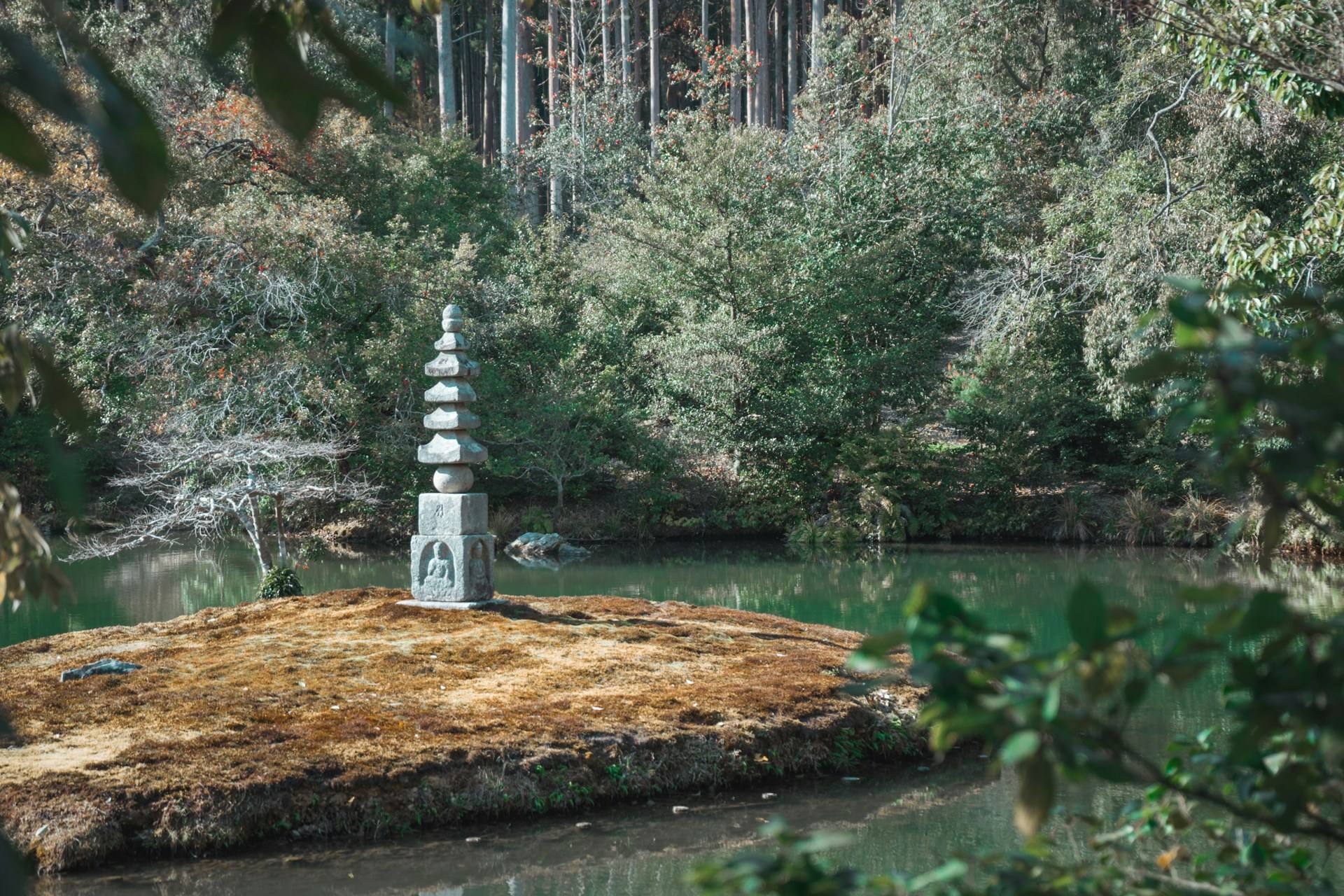
The temple's garden is designed to evoke harmony and tranquility, with carefully placed rocks, small islands, and lush greenery surrounding the pond. The garden represents a Buddhist paradise on earth, with each element carefully positioned according to Japanese garden design principles. Walking the designated path, you'll pass through pine trees and stone arrangements that have been maintained for centuries. The garden is particularly stunning during different seasons - cherry blossoms in spring, lush greens in summer, fiery maples in autumn, and snow-covered landscapes in winter.

Best time to visit
Kinkaku-ji is one of Kyoto's most popular attractions, so it's best to visit early in the morning or later in the afternoon to avoid the largest crowds. The temple opens at 9:00 AM and closes at 5:00 PM. The best times to visit are during spring when cherry trees bloom, or autumn when the surrounding maples turn brilliant shades of red and gold. Winter also offers a unique charm, with the golden structure contrasting beautifully against snow-covered grounds - though snow is not guaranteed. Early morning visits on weekdays typically offer the most peaceful experience.

Nearby attractions
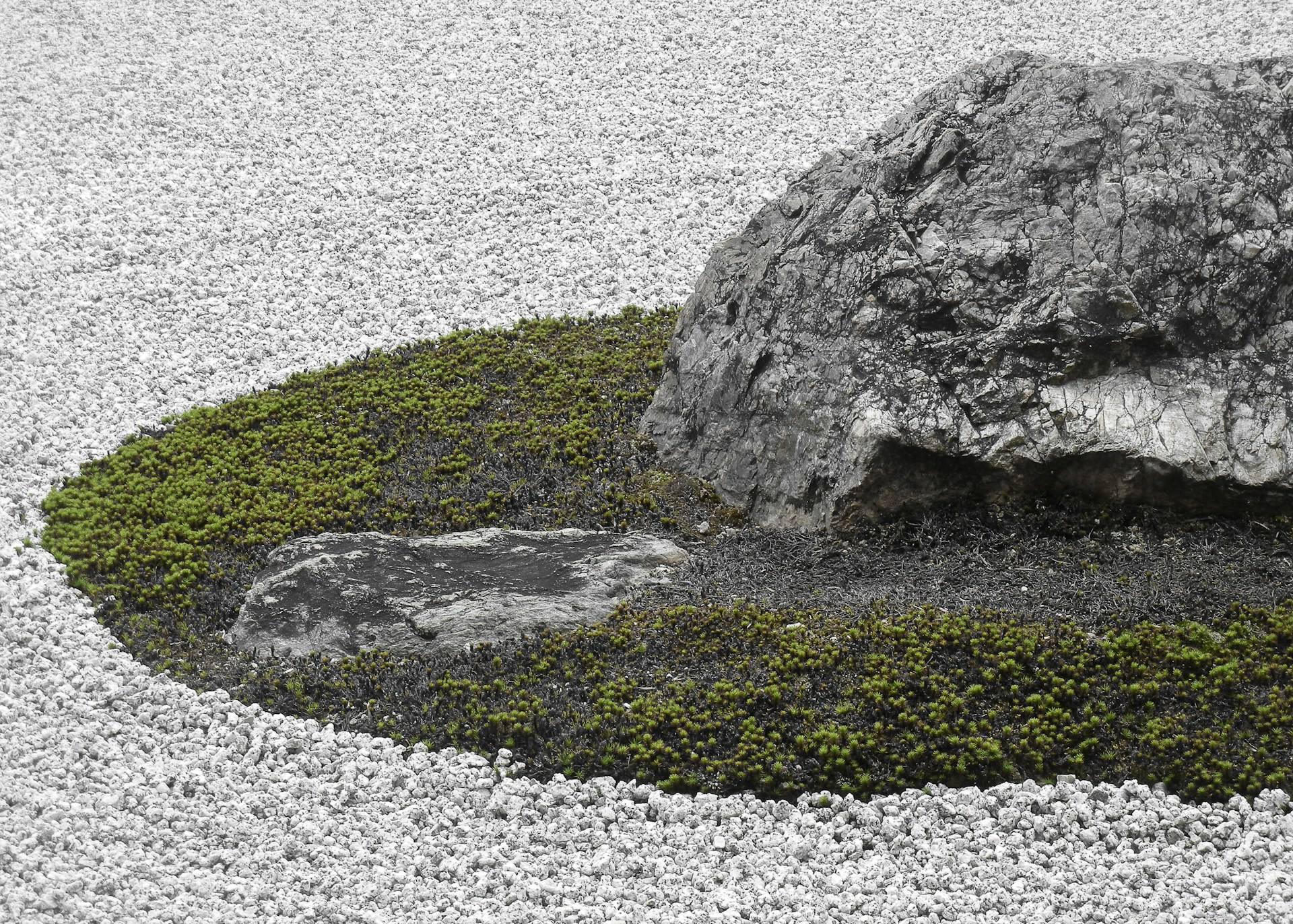
After visiting Kinkaku-ji, explore some of the nearby attractions to complete your day. Just a 15-minute walk away is Ryoan-ji Temple, famous for its minimalist Zen rock garden featuring 15 carefully arranged stones on raked white gravel. Another nearby gem is Ninna-ji Temple, known for its beautiful pagoda and late-blooming cherry blossoms in spring. If you're up for a short bus ride, the Arashiyama district with its famous bamboo grove is also within reach. Consider spending a full day exploring Kyoto's northwest temple district.
How to get there
From Kyoto Station
Take bus 101 or 205 directly to Kinkaku-ji-michi bus stop. The journey takes about 40 minutes. From the bus stop, it's a 5-minute walk to the temple entrance. Alternatively, take the Karasuma subway to Kitaoji Station, then transfer to bus 102, 204, or 205.
From Osaka
Take the JR Special Rapid train from Osaka Station to Kyoto Station (about 30 minutes, covered by JR Pass). Then follow the directions above from Kyoto Station. Total journey time is approximately 1 hour 15 minutes.
By taxi
A taxi from Kyoto Station takes about 25-30 minutes and costs approximately ¥2,500-3,000. This is a convenient option if you're traveling with luggage or in a group.
Admission is ¥500 for adults. The temple is open daily from 9:00 AM to 5:00 PM. While you cannot enter the pavilion itself, the views from the walking path are spectacular. A Kyoto bus day pass is recommended if visiting multiple temples.

Tips for your visit
Ready to see the Golden Pavilion?
Get your Japan Rail Pass and explore Kinkaku-ji along with all of Kyoto's incredible temples and shrines.