

Nikko travel guide
Where lavish shrines, misty mountains, and sacred waterfalls create one of Japan's most spiritual landscapes.
Nikko areas
From sacred shrine complexes to mountain highlands - discover Nikko's diverse landscapes.

Shrine Area
The UNESCO World Heritage shrine area concentrates Nikko's most important religious sites within a forested hillside. Towering cedars create a mystical atmosphere as you approach increasingly ornate structures.
Toshogu Shrine, mausoleum of shogun Tokugawa Ieyasu, showcases the most lavish architecture in Japan. Every surface drips with gold leaf, intricate carvings, and vibrant colors, a deliberate display of Tokugawa power and wealth.
Nearby Rinnoji Temple and Futarasan Shrine predate Toshogu by centuries, offering contrasting aesthetic simplicity. The entire complex requires several hours to explore properly, with each shrine offering unique features and atmosphere.

Lake Chuzenji
Lake Chuzenji sits 1,269 meters above sea level, its clear waters reflecting the surrounding mountains. Formed by volcanic eruption 20,000 years ago, the lake offers year-round beauty with each season painting different colors.
The Irohazaka switchback road climbs dramatically to the lake, its 48 curves named after the Japanese syllabary. Autumn foliage along this route creates one of Japan's most spectacular drives, visible from the bus.
Lake cruise boats offer relaxing perspectives of the surrounding peaks, while hiking trails connect to various viewpoints and waterfalls. The lakeside town provides restaurants, cafes, and boat rentals for extended exploration.

Okunikko
Okunikko ("Inner Nikko") extends beyond Lake Chuzenji into true wilderness. The Senjogahara Marshland spreads across a highland plateau, its boardwalk trails weaving through an ecosystem unique in Japan.
Yudaki Falls tumbles 70 meters at the northern edge of the lake system, less famous than Kegon but equally impressive. Hot spring water feeds the upper streams, creating year-round flow even in deepest winter.
Yumoto Onsen village provides the region's premier hot spring experience. Milky white sulfur waters fill traditional ryokan baths, offering perfect conclusion to days of hiking and sightseeing.
Town Center
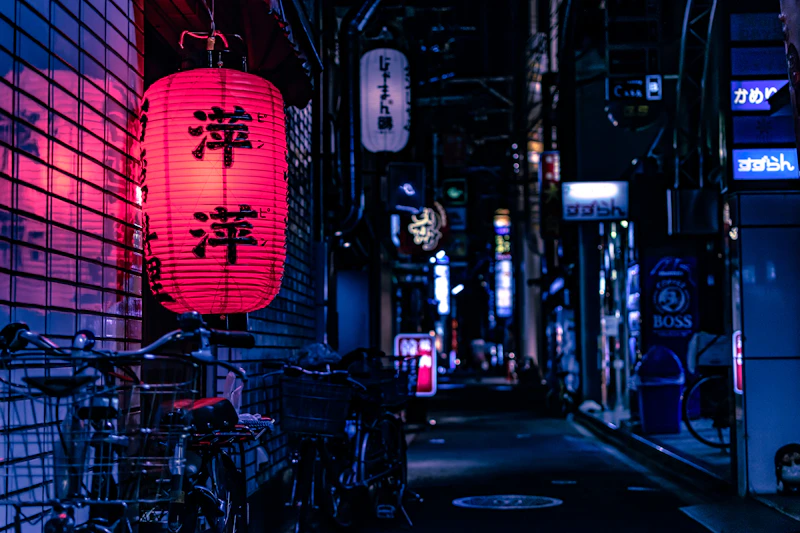
Nikko town stretches along the valley between the station and shrine area. The iconic vermillion Shinkyo Bridge marks the entrance to the sacred precinct, its elegant arch one of Japan's most photographed structures.
Traditional restaurants and craft shops line the main road, many specializing in yuba (tofu skin), Nikko's signature ingredient. Carved wooden items and lacquerware reflect local craft traditions.
Several atmospheric ryokan offer overnight stays with traditional kaiseki dinners and onsen baths, allowing immersion in Japanese hospitality. Staying overnight enables early morning shrine visits before tour groups arrive.
Top attractions
From lavish shrines to thundering waterfalls - experiences that define Nikko.
Toshogu Shrine
Toshogu enshrines Tokugawa Ieyasu, the shogun who unified Japan and whose descendants ruled for 250 years. The shrine complex represents Japan's most ornate religious architecture, every surface covered with intricate carvings and gold leaf.
Famous elements include the sleeping cat carving (Nemuri-neko), the three wise monkeys (see no evil, hear no evil, speak no evil), and the Yomeimon Gate with over 500 carvings of dragons, sages, and mythical creatures.
The inner sanctuary requires ascending steep stone steps through ancient cedar forest, creating a dramatic approach to Ieyasu's final resting place. A separate ticket admits to the tomb itself, worth the extra cost for the atmosphere alone.
Tip: Arrive at opening for photos without crowds
Kegon Falls
Kegon Falls plunges 97 meters from Lake Chuzenji in a dramatic single drop, ranking among Japan's three most beautiful waterfalls. The cascade carries the lake's entire outflow, creating impressive volume particularly after rain or snowmelt.
An elevator descends to an observation platform at the base, revealing the waterfall's full power and surrounding rock formations. Free viewpoints at the top offer different perspectives, though the base view justifies the elevator fee.
Morning mist often shrouds the falls, creating ethereal atmosphere. Winter transforms the cascade into ice sculpture, though the elevator and platforms remain accessible. Any season rewards visitors with natural drama.
Tip: The elevator to the base offers the best views
Rinnoji Temple
Rinnoji Temple predates Toshogu by over 800 years, founded in 766 by Buddhist monk Shodo Shonin. The main hall houses three massive gilded Buddha statues representing the three sacred mountains of Nikko.
The temple's Shoyo-en Garden offers tranquil contrast to Toshogu's overwhelming decoration. Strolling paths circle a pond that reflects seasonal colors, from cherry blossoms to autumn maples.
The treasure house displays temple artifacts, ancient sutras, and artwork spanning centuries. Combined with Toshogu and Futarasan Shrine, Rinnoji completes the UNESCO World Heritage religious complex.
Tip: Visit the Shoyo-en Garden for peaceful atmosphere

Edo Wonderland
Edo Wonderland recreates a complete Edo-period (1603-1868) town with samurai, ninja, and geisha wandering authentic-looking streets. Unlike many theme parks, the attention to historical detail satisfies even history buffs.
Ninja shows, sword-fighting demonstrations, and theatrical performances run throughout the day. Visitors can dress in period costumes, learn ninja skills, or try traditional crafts. The immersive atmosphere transports you centuries back in time.
While primarily aimed at families, the quality of architecture, performances, and interactive experiences appeal to adults. Full day visits make the admission price worthwhile, covering all shows and activities.
Tip: Rent kimono for the full experience
Where to eat in Nikko
From yuba tofu skin to mountain vegetables - savor Nikko's Buddhist-influenced cuisine.

Yuba (Tofu Skin)
Yuba, the delicate skin that forms when heating soymilk, has been Nikko's signature ingredient since Buddhist monks introduced it centuries ago. Local spring water creates particularly fine texture, elevating simple tofu to culinary art.
Restaurants throughout Nikko serve yuba in countless preparations: fresh as sashimi, simmered in broth, wrapped around rice, or layered in elaborate kaiseki courses. The subtle flavor and silky texture require quality production, which Nikko's makers have perfected.
Specialized shops sell fresh and dried yuba for souvenirs, lasting weeks without refrigeration. The experience of eating yuba in its birthplace differs distinctly from mass-produced versions elsewhere.

Soba Noodles
Mountain-grown buckwheat and pure water combine in Nikko's excellent soba noodles. Small shops along the main road hand-make noodles daily, serving them with mountain vegetables, wild plants, and rich dipping broth.
Cold soba pairs perfectly with summer hiking, while hot noodle soups warm winter visitors. Many restaurants offer sets including yuba, tempura, and local pickles, providing comprehensive Nikko flavor experiences.
The town's proximity to high-altitude farms ensures freshness, while centuries of tradition maintain authentic preparation methods. Look for small shops with Japanese-only menus for the most traditional experience.

Nikko Castella
Portuguese missionaries introduced castella sponge cake to Japan in the 16th century, and Nikko's version has developed distinctive local character. Moist, honey-sweet, and egg-rich, the cake became popular with pilgrims visiting the shrines.
Several shops along the main road have baked castella for over a century, their recipes unchanged across generations. Fresh-baked slices offer warm, pillowy sweetness impossible to replicate in packaged versions.
Smaller kasutera (another name for the same cake) make perfect travel snacks, their simple packaging belying the quality within. Coffee shops pair castella with local mountain tea for perfect afternoon breaks.
Day trips from Nikko
Explore highland lakes, historic towns, and natural wonders.
Kinugawa Onsen
Kinugawa Onsen stretches along a scenic river gorge, its hot spring ryokan offering overnight or day-use bathing. The area includes theme parks, ropeways, and natural beauty complementing Nikko's shrine focus.
The Tobu Railway (not JR) connects Nikko to Kinugawa in 25 minutes. Many visitors combine both areas in a two-day trip, balancing culture with relaxation.
Utsunomiya
Utsunomiya claims the title of Japan's gyoza capital, with over 200 dumpling restaurants competing for recognition. The JR transfer point for Nikko makes an excellent lunch stop before or after shrine visits.
Gyoza Street near the station concentrates the best options, where shops serve pan-fried, steamed, and boiled dumplings in countless variations. Your JR Pass covers the journey.
Mashiko
Mashiko pottery village produces distinctive rustic ceramics famous throughout Japan. Over 50 studios and galleries offer everything from daily-use items to fine art pieces, with many allowing hands-on pottery experiences.
Buses connect from Utsunomiya (JR covered to there), making Mashiko combinable with Nikko in a full day. The twice-yearly pottery festivals draw thousands of collectors and enthusiasts.
Shopping in Nikko
From traditional crafts to yuba products - find authentic souvenirs.
Yuba Shops
Multiple shops along the main road sell fresh and dried yuba for souvenirs. Dried varieties keep for weeks unrefrigerated, making them perfect travel gifts. Look for specialty shops with on-site production.
Nikko-bori Woodcarving
Nikko-bori woodcarving originated with shrine craftsmen, its intricate techniques now applied to everyday items. Trays, boxes, and decorative pieces feature natural wood grain with carved patterns, creating functional art.
Seasonal highlights
Nikko transforms dramatically with each season.
Spring
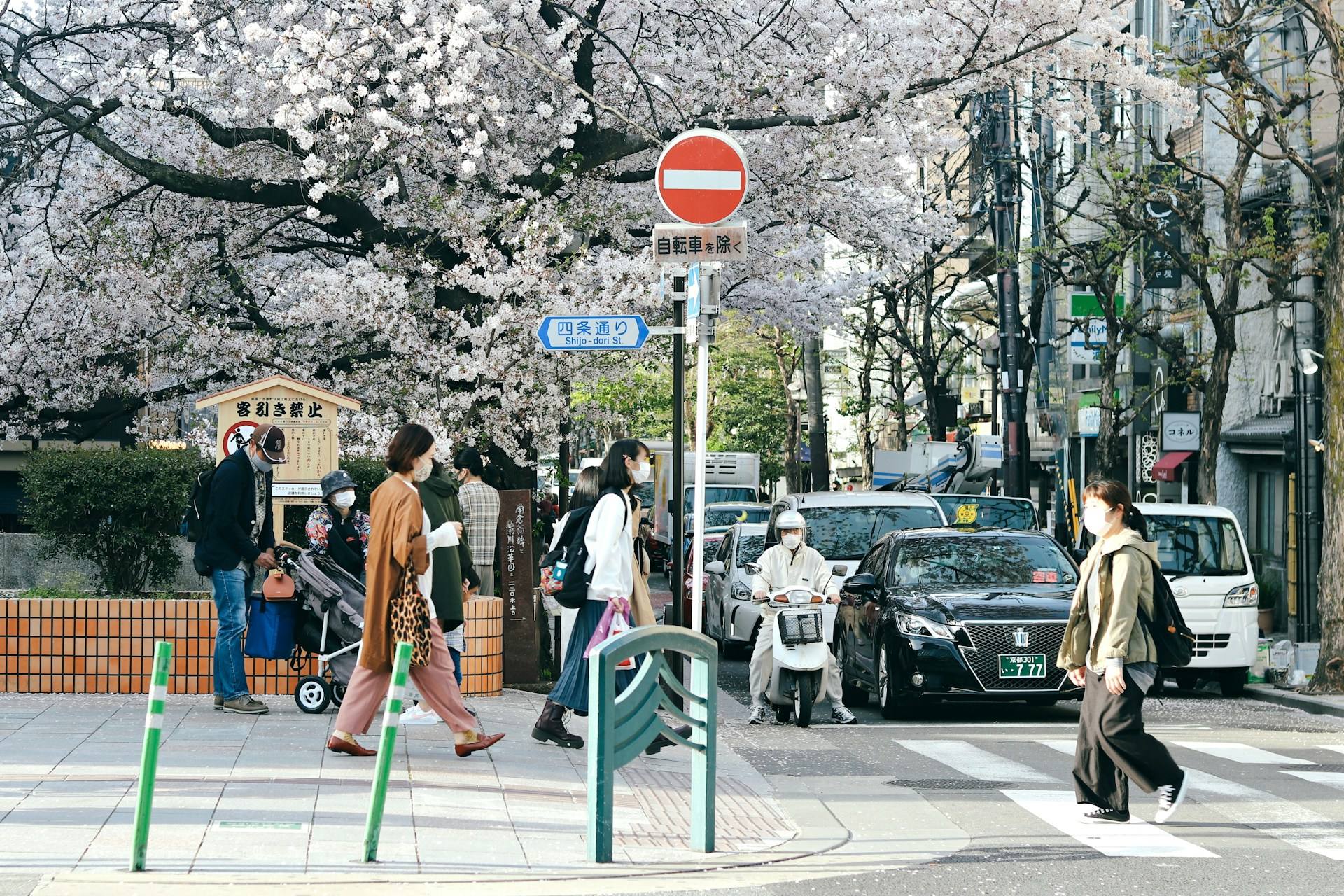
Spring comes late to Nikko's highlands, with cherry blossoms peaking in late April to early May. Fresh green leaves carpet the mountainsides while waterfalls run full from snowmelt.
Summer
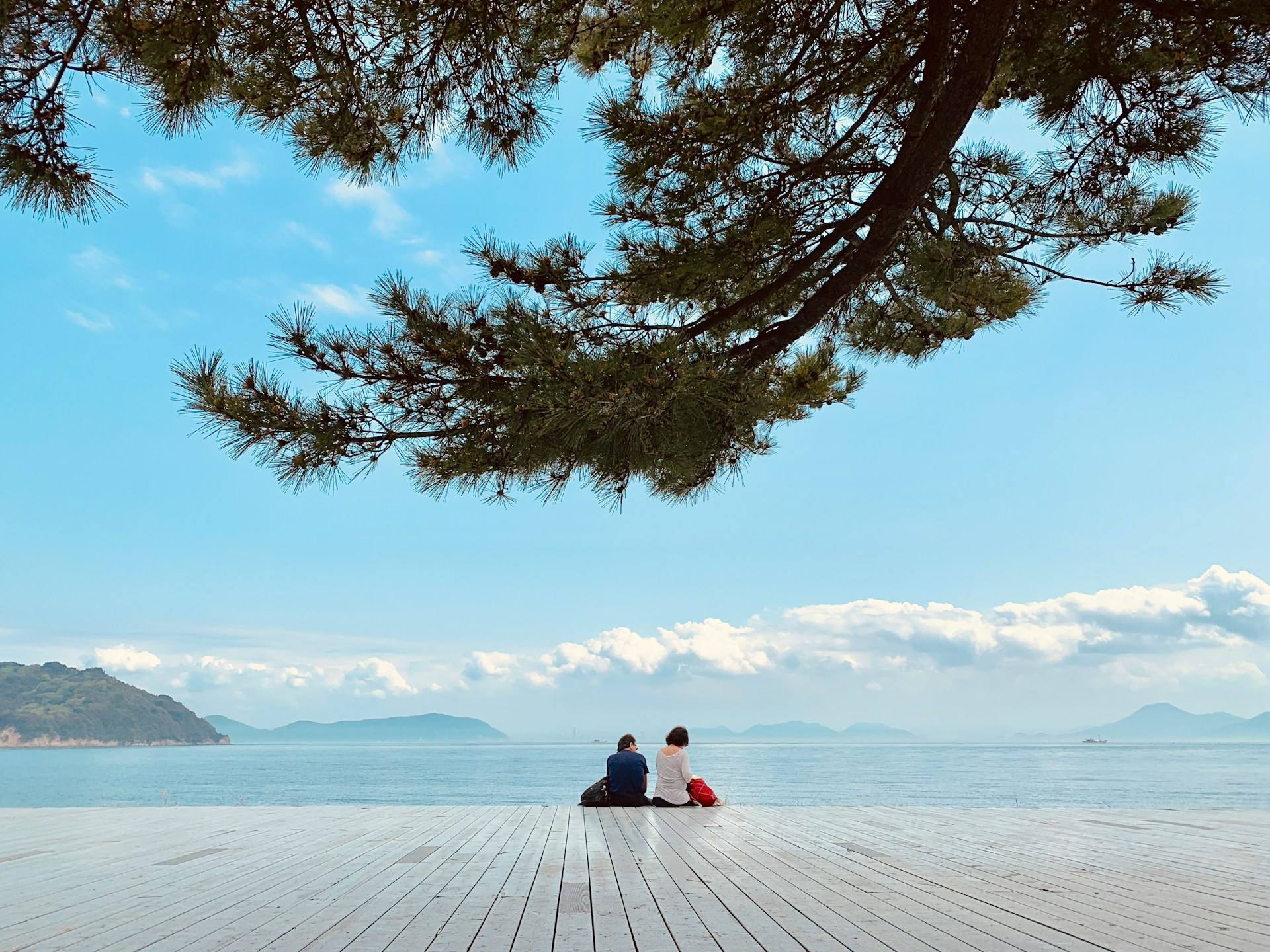
Highland elevation provides relief from Tokyo's summer humidity. Lake Chuzenji and the highland marshes offer cool retreats, while misty mornings add atmosphere to shrine visits.
Autumn
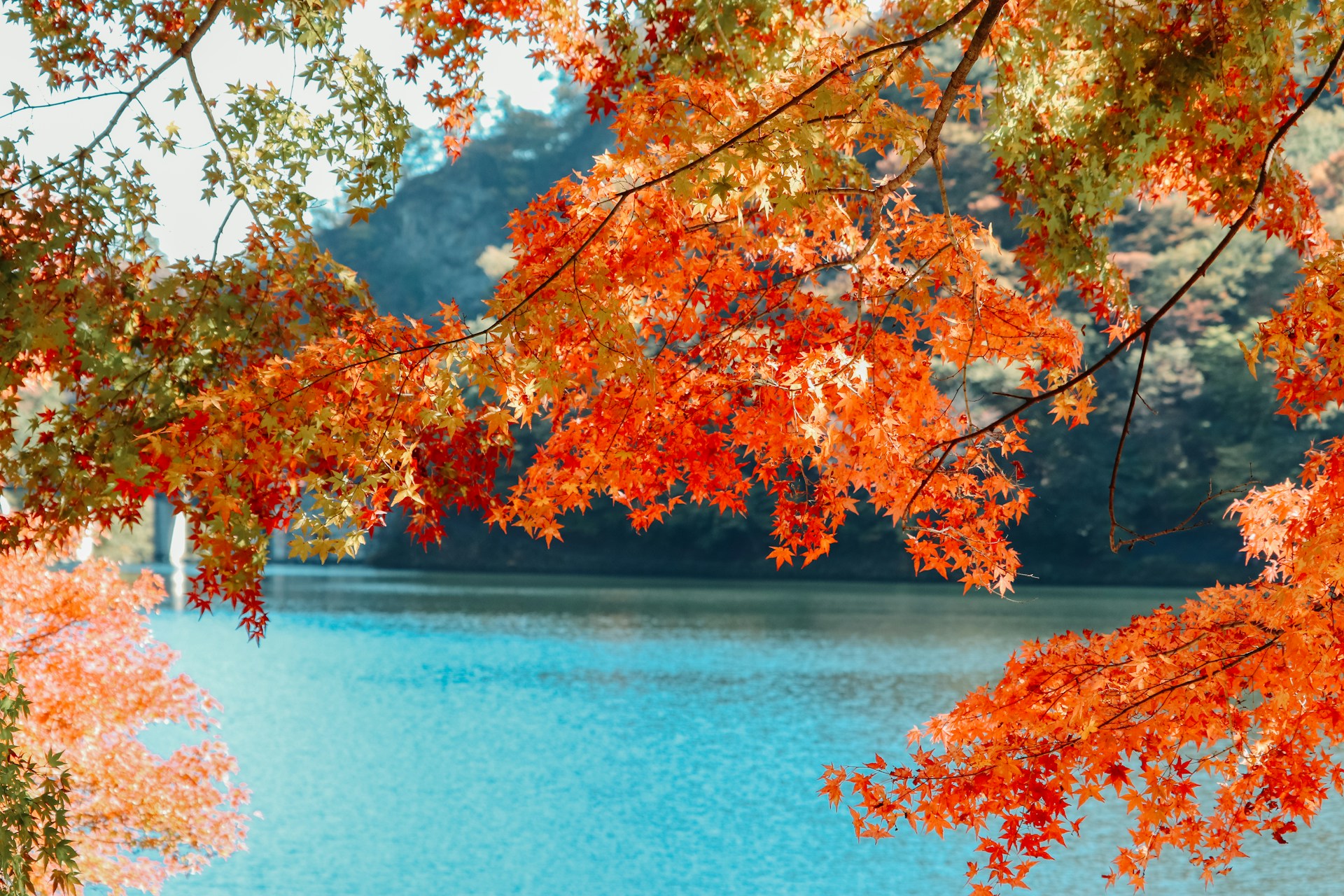
Nikko's autumn colors rank among Japan's finest. The Irohazaka road blazes with maples while Lake Chuzenji reflects golden and crimson mountainsides. Peak season requires early booking.
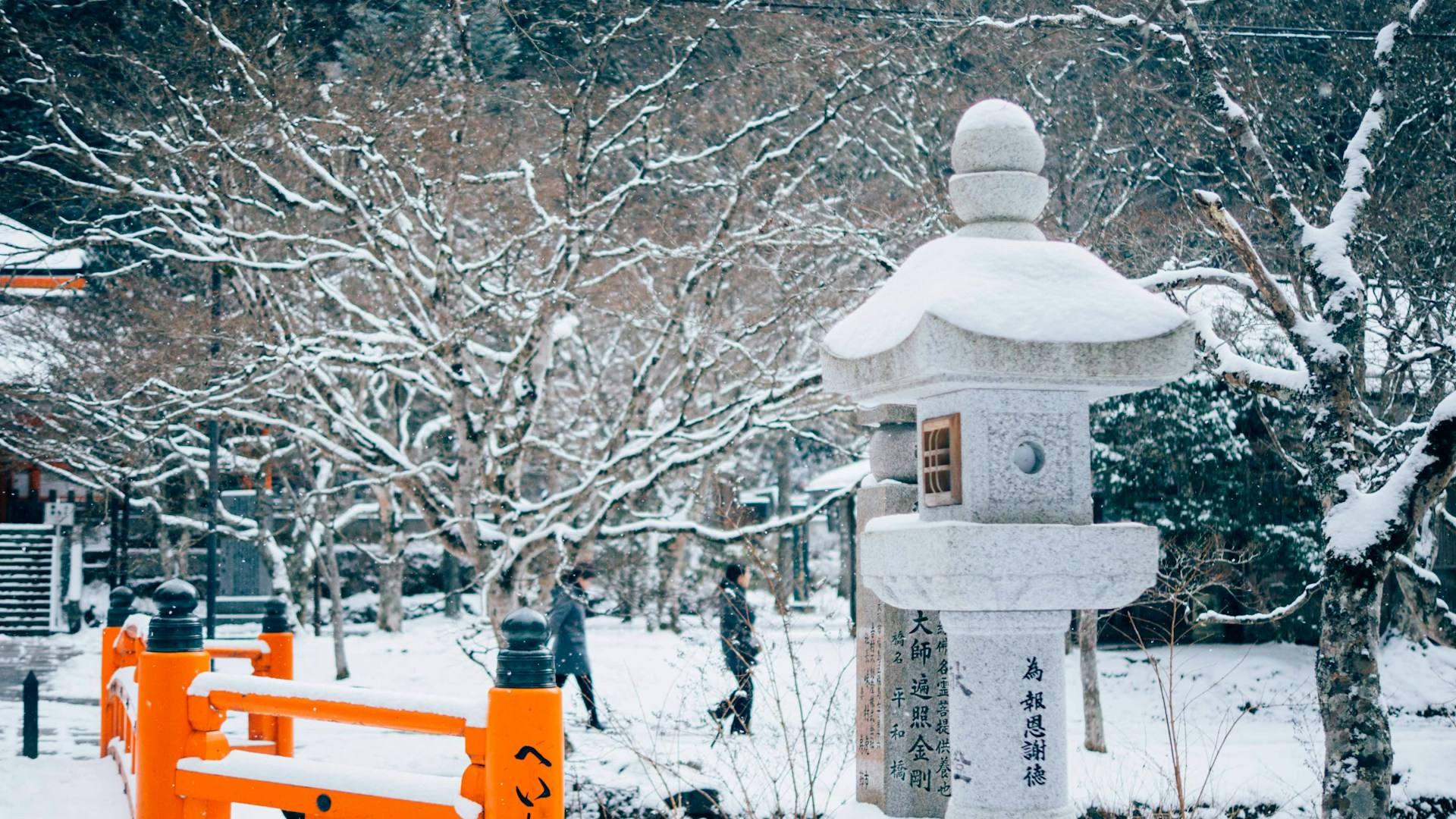
Winter
Heavy snowfall transforms Nikko into a winter wonderland. Frozen Kegon Falls creates ice sculptures while snow-dusted shrines offer magical atmosphere with minimal crowds.
Practical tips
Essential information for navigating Nikko smoothly.
Transportation
- JR Pass covers Tokyo-Utsunomiya-Nikko
- Nikko Pass adds bus access to highlands
- Allow 2 hours travel time from Tokyo
- Last buses leave Lake Chuzenji by 5pm
Money
- Shrine combo tickets save money
- Cash needed at many small restaurants
- ATMs at convenience stores near station
- Budget ¥5,000+ for full shrine complex
Etiquette
- Remove shoes at temple interiors
- Quiet voices in sacred areas
- No photos in some shrine buildings
- Purify hands at water basins
Connectivity
- WiFi available at station and hotels
- Download offline maps for highlands
- Phone signal weak in mountain areas
- Tourist info at Tobu Nikko Station
Navigate Nikko with your JR Pass
Your JR Pass covers travel to Utsunomiya Station, where you transfer to the JR Nikko Line (also covered) to Nikko Station. The journey takes about 2 hours from Tokyo.
Key stations
JR Pass covered
JR Nikko Line
Tohoku Shinkansen, JR Nikko Line