

Okayama travel guide
Home to one of Japan's three great gardens and the striking black Crow Castle, a gateway to Setouchi culture.
Okayama areas
From classical gardens to canal-side charm - discover Okayama's diverse districts.
Castle District
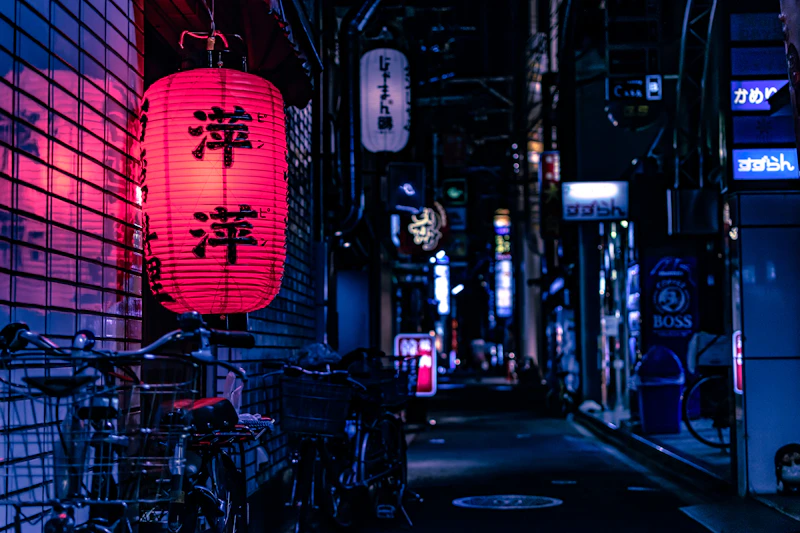
The Castle District concentrates Okayama's premier attractions along the banks of the Asahi River. Korakuen Garden spreads across 13 hectares of classical Japanese landscaping, while Okayama Castle rises dramatically across the water.
The black walls of Okayama Castle earned it the nickname "Crow Castle," contrasting beautifully with the white herons of nearby Himeji. Connected by bridge to Korakuen, the two sites combine for a perfect half-day exploration.
Riverside paths and a photogenic moon bridge connect the garden and castle, creating one of Japan's most scenic urban landscapes. Morning visits offer best light for photography and comfortable temperatures.

Kurashiki
Kurashiki's atmospheric canal district preserves Edo-period merchant warehouses, their white walls and black tiles reflecting in the willowed waterway. The town served as a rice trading center, its wealth creating architecture that survives remarkably intact.
The Ohara Museum of Art houses Japan's first Western art collection, its Greek-columned facade standing incongruously among traditional buildings. Monet, El Greco, and Rodin reside in galleries overlooking the canal.
Beyond the main canal, narrow lanes hide craft shops, cafes, and museums. Kurashiki justifies a full day for thorough exploration, or overnight stays capture the magical evening atmosphere after day-trippers depart.

Downtown Okayama
Downtown Okayama radiates from the station through covered shopping arcades and entertainment districts. Omotecho arcade stretches nearly a kilometer, connecting department stores with local shops and restaurants.
The city maintains an accessible, mid-sized atmosphere compared to major metropolises. Excellent transportation connections make it an ideal base for exploring the broader Setouchi region.
Evening dining options range from traditional izakaya serving local specialties to modern restaurants with Seto Inland Sea seafood. The compact downtown makes exploration on foot both easy and rewarding.

Uno Port Area
Uno Port serves as the mainland gateway to Naoshima and the Setouchi art islands. The journey there passes through rural landscapes before reaching the ferry terminal.
The port area itself has become an art destination, with outdoor sculptures and installations transforming the once-industrial waterfront. Colorful pieces dot the harbor, creating photo opportunities before island adventures.
Ferry frequency varies by season, so checking schedules is essential. The combination of JR Pass travel to Uno and ferry tickets provides excellent value for island exploration.
Top attractions
From Japan's finest garden to the striking black castle - experiences that define Okayama.
Korakuen Garden
Korakuen ranks among Japan's three most beautiful gardens alongside Kanazawa's Kenrokuen and Mito's Kairakuen. Constructed in 1700 by the local lord, the strolling garden incorporates lawns, ponds, streams, and tea houses in harmonious composition.
Unlike many Japanese gardens, Korakuen features extensive grass lawns, a rarity that resulted from the lord's desire to practice falconry. This openness creates a sense of spaciousness unusual in traditional landscaping.
The garden changes character through seasons: plum and cherry blossoms in spring, irises and lotus in summer, maple colors in autumn, and stark winter beauty. Castle views from within the garden add dramatic backdrop to every season.
Tip: Buy combo ticket with Okayama Castle
Okayama Castle
Okayama Castle's distinctive black exterior earned it the nickname "U-jo" (Crow Castle), dramatically contrasting with white Himeji Castle nicknamed the White Heron. The original 1597 structure was destroyed in WWII and reconstructed in 1966.
Inside, museum displays explain castle history and feudal life. Visitors can dress in samurai armor or princess kimono for photos, adding interactive fun to the historical experience.
The castle's position across the river from Korakuen creates iconic photographic compositions. A connecting bridge allows easy movement between sites, making the combination essential for all visitors.
Tip: The castle is beautifully illuminated at night
Ohara Museum of Art
The Ohara Museum houses Japan's first collection of Western art, founded in 1930 by local industrialist Ohara Magosaburo. Works by El Greco, Monet, Renoir, and Gauguin fill galleries that feel transplanted from Europe.
The Greek-columned main building sits incongruously among Kurashiki's traditional warehouses, yet somehow this juxtaposition captures Japan's Meiji-era absorption of Western culture. Adjacent buildings showcase Asian antiquities and contemporary Japanese art.
The museum cafe overlooks the canal, offering excellent rest after cultural immersion. For art lovers, the collection justifies visiting Kurashiki as a destination rather than mere day trip.
Tip: Closed Mondays (except holidays)
Kurashiki Bikan Historical Quarter
The Bikan Historical Quarter preserves Kurashiki's Edo-period merchant district along a photogenic willow-lined canal. White-walled warehouses with black tile roofs reflect in still waters, creating scenes seemingly unchanged for centuries.
Former storehouses now house museums, galleries, shops, and cafes. The Kurashiki Folk Art Museum celebrates Japanese craft traditions, while the Ivy Academic House offers Western architecture contrast.
Canal boat rides provide waterline perspectives on the historic buildings. Morning photography captures best reflections, while evening illumination transforms the district into romantic tableaux. Overnight stays reveal the quiet after day visitors depart.
Tip: Evening canal boat rides offer romantic views
Where to eat in Okayama
From demi-katsu to white peaches - savor the "Land of Sunshine" flavors.

Demi-Katsu Don
Okayama's signature dish tops rice with crispy pork cutlet (tonkatsu) covered in rich demi-glace sauce rather than the traditional egg preparation. The Western-influenced sauce reflects the region's early Meiji-era exposure to European cuisine.
Restaurants throughout the city serve their own variations, some adding shredded cabbage, others focusing on purity. The combination of Japanese technique and Western flavoring creates unique comfort food.
This local innovation demonstrates how Japan adapts foreign influences into distinctly Japanese creations. Seeking out demi-katsu represents essential Okayama food tourism.

White Peaches (Hakuto)
Okayama's nickname "Land of Sunshine" refers to its ideal fruit-growing climate, producing Japan's finest white peaches. The hakuto variety offers delicate sweetness and floral aroma unmatched elsewhere.
Summer visits (July-August) coincide with peak harvest when fresh peaches appear everywhere: cafes, dessert shops, even convenience stores. Peach parfaits, juices, and jams provide year-round alternatives.
Premium peaches gift-wrapped in individual boxes make treasured souvenirs, though their delicate nature requires careful transport. The fruit connection to the Momotaro legend adds cultural dimension to culinary appreciation.

Mamakari Sushi
Mamakari (literally "borrow rice") refers to small sardines so delicious that neighbors would borrow rice to eat more. The fish are marinated in vinegar and served pressed onto sushi rice in distinctly local style.
Seto Inland Sea waters provide abundant small fish perfect for this preparation. Traditional restaurants near Kurashiki and downtown Okayama serve authentic versions alongside other regional seafood.
The intense, tangy flavor differs dramatically from typical sushi, providing adventurous eaters with genuine local character. Packaged versions make portable souvenirs for fish lovers.
Day trips from Okayama
Use your JR Pass to explore art islands, historic towns, and scenic coastlines.
Naoshima Art Island
Naoshima transforms contemporary art into island-wide experience. The Chichu Art Museum buries Monet water lilies and James Turrell light installations underground, while Yayoi Kusama's polka-dotted pumpkins have become global icons.
JR Pass covers travel to Uno Port, with ferry tickets separate. Full island exploration requires cycling (rentals available) and ideally overnight stays to experience changing light in the museums.

Himeji Castle
Japan's most magnificent castle rises just 20 minutes away by shinkansen. The white "Heron Castle" provides dramatic contrast to Okayama's black "Crow Castle," making an excellent comparison study.
Your JR Pass covers the journey, enabling easy day trips. Combining Himeji's castle with Okayama's garden creates a comprehensive castle-and-garden itinerary in a single day.

Hiroshima
The Peace Memorial Park and Atomic Bomb Dome provide profound historical experience just 40 minutes from Okayama. The city has transformed into a vibrant modern center while honoring its past.
Continue to Miyajima Island (JR + ferry) for the iconic floating torii gate. Your JR Pass makes Okayama an excellent base for exploring this entire region.
Shopping in Okayama
From Bizen pottery to local fruits - find authentic souvenirs.
Bizen Pottery
Bizen ware, produced in Okayama Prefecture for over 1,000 years, uses no glaze, creating natural patterns from the wood-fired kiln process. Each piece is unique, its earth tones and subtle variations reflecting Japanese aesthetic principles. Shops in Kurashiki and downtown Okayama sell pieces ranging from daily-use items to fine art. The Bizen area east of Okayama offers studio visits and hands-on pottery experiences.
Kurashiki Crafts
The historic district's converted warehouses house craft galleries specializing in textiles, glass, leather, and wood. Kurashiki denim, produced locally since the 1960s, has gained international recognition for quality. Look for shops selling Kurashiki canvas goods, washi paper products, and local food items. The concentration of quality crafts makes souvenir shopping unusually rewarding.
Seasonal highlights
Okayama's mild climate offers year-round appeal with distinct seasonal beauty.
Spring
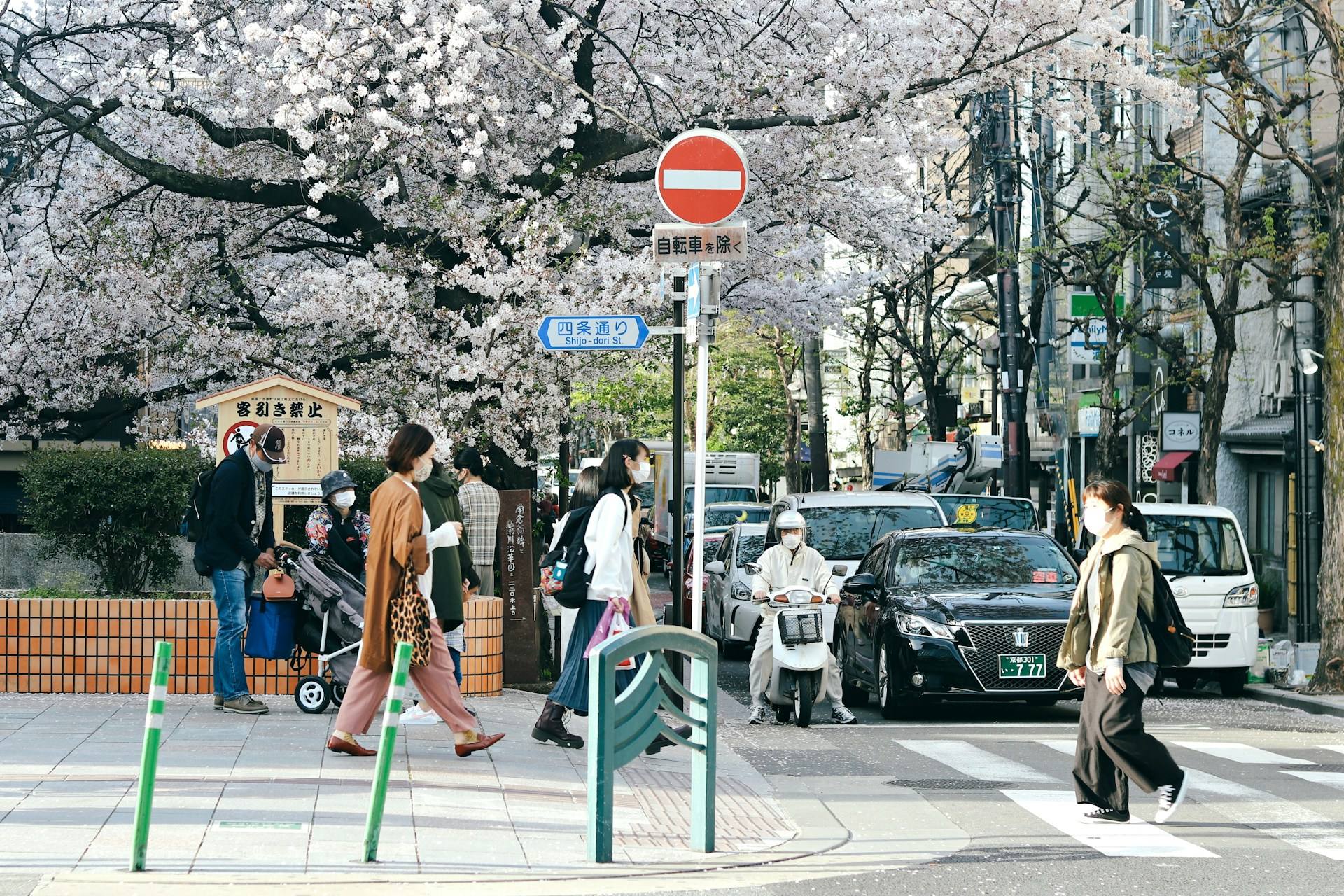
Korakuen's cherry trees create pink canopies over the green lawns. Castle views framed by blossoms and canal reflections of flowering trees make spring ideal for photography.
Summer
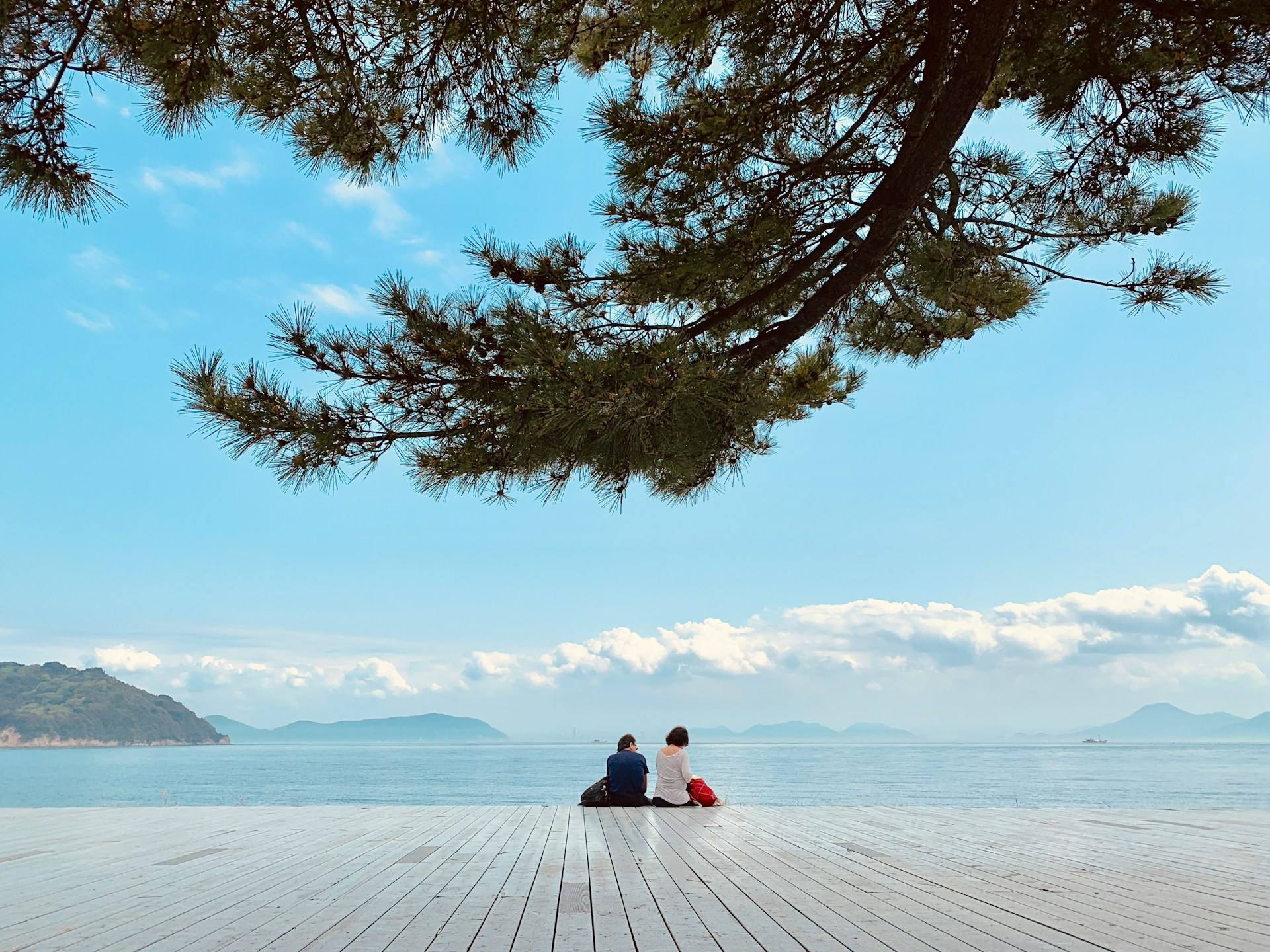
Peak white peach season brings the region's most famous fruit to markets and cafes. Warm weather makes island hopping particularly enjoyable despite higher temperatures.
Autumn
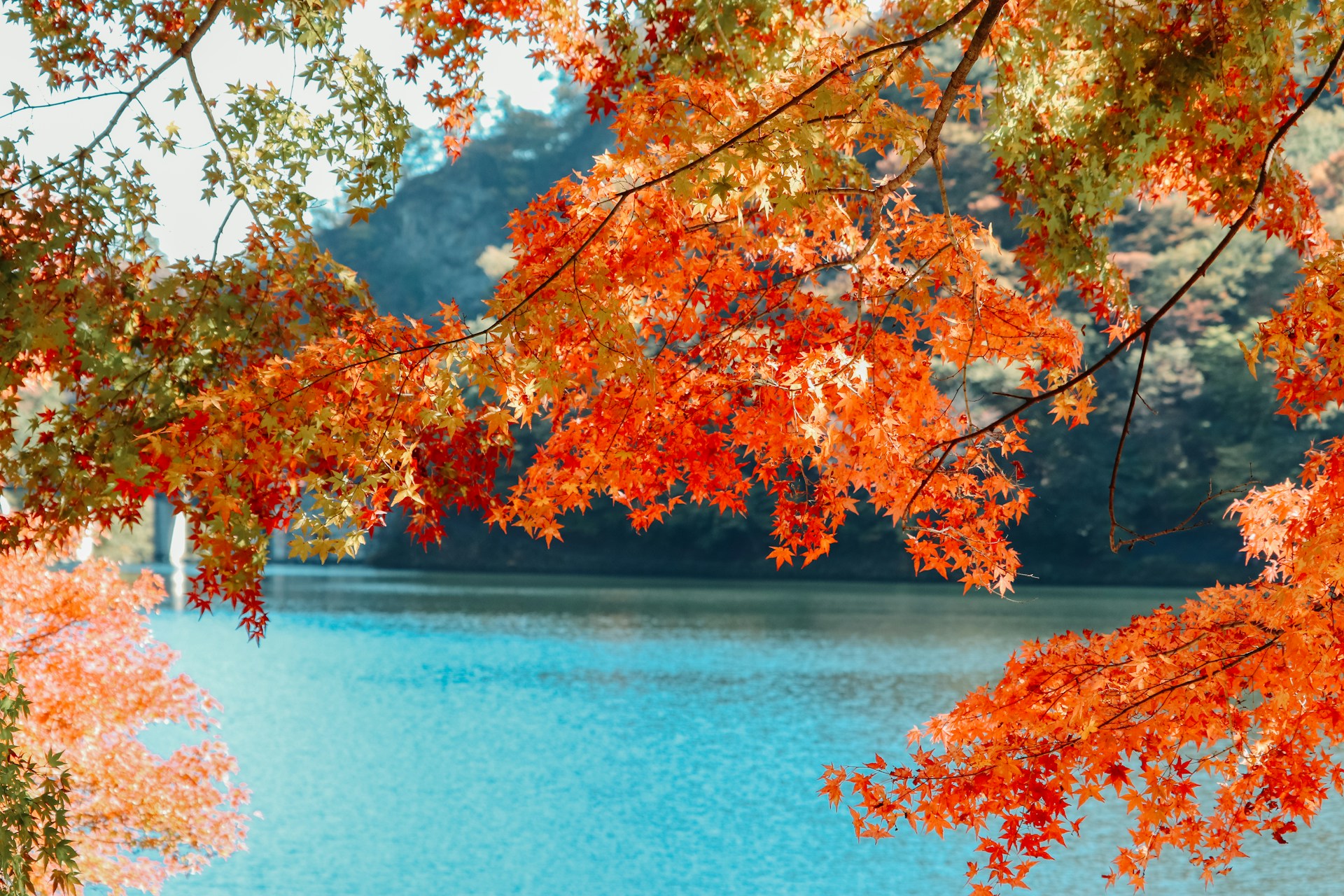
Maples in Korakuen turn brilliant red against the castle backdrop. Grape harvests add another fruit dimension to the region's agricultural bounty.
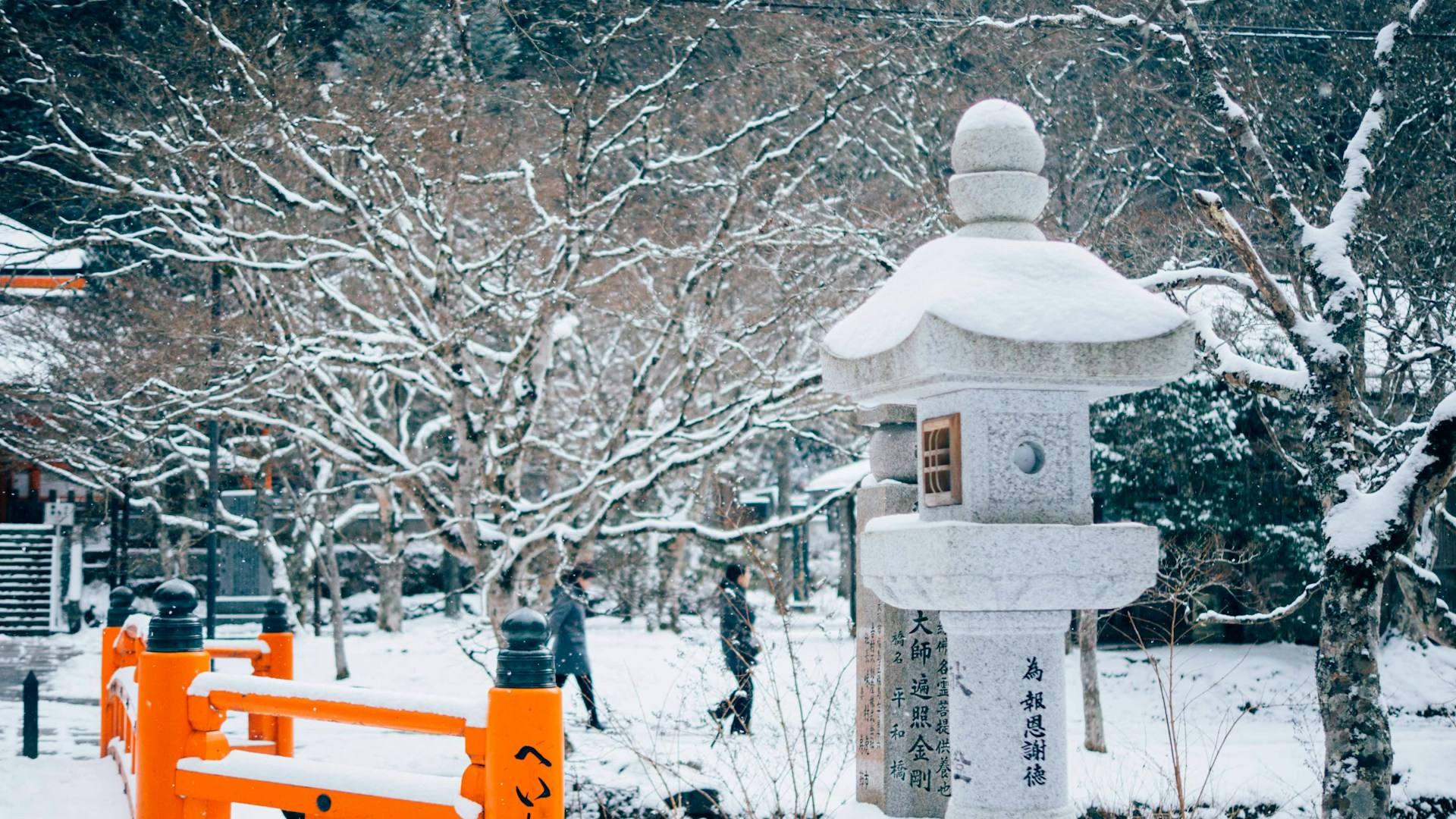
Winter
Okayama's mild winters allow comfortable outdoor sightseeing year-round. Snow is rare, and garden visits offer peaceful atmosphere without summer crowds.
Practical tips
Essential information for navigating Okayama smoothly.
Transportation
- Tram connects station to castle district
- JR covers Kurashiki and Uno Port
- Rent bicycles for castle area exploration
- Ferry schedules vary seasonally
Money
- Buy combo tickets for castle + garden
- ATMs at station and convenience stores
- Budget ¥3,000-5,000 for main attractions
- Art island admission fees add up
Etiquette
- Remove shoes at museum interiors
- No photography in some art spaces
- Quiet voices in galleries
- Stay on garden paths
Connectivity
- Free WiFi at station and hotels
- Download offline maps for islands
- Tourist info at station
- English signage at major sites
Navigate Okayama with your JR Pass
Your JR Pass covers the shinkansen to Okayama Station, making it perfect for a day trip from Osaka, Hiroshima, or a base for exploring the Setouchi region.
Key stations
JR Pass covered
Sanyo Shinkansen, JR Sanyo Line, JR Hakubi Line
JR Sanyo Line (17 min from Okayama)
JR Uno Line (Ferry to Naoshima)