

Takayama travel guide
An exquisitely preserved Edo-period town nestled in the Japanese Alps, famous for morning markets, sake breweries, and Hida beef.
Takayama areas
From preserved merchant streets to sake brewery districts - discover Takayama's historic neighborhoods.

Sanmachi Suji
Sanmachi Suji preserves three parallel streets of dark wooden merchant houses dating to the Edo period. The district's remarkably intact architecture creates one of Japan's most atmospheric old town experiences.
Traditional sake breweries announce themselves with sugidama (cedar ball) decorations, their tasting rooms offering local varieties produced from mountain water. Many houses have operated as shops for generations, selling lacquerware, pottery, and local specialties.
Morning light casts long shadows across the wooden facades, while evening brings a quieter atmosphere as day visitors depart. This is Takayama's essential experience, best savored at leisurely pace with time for discovery.

Morning Market Area
Two morning markets have operated for over 300 years: Jinya-mae market beside the historical government building, and Miyagawa market along the riverside. Both run daily from around 7 AM to noon.
Local farmers sell seasonal vegetables, pickles, mountain herbs, and handmade crafts. The intimate scale allows genuine interaction with vendors, many of whom have attended the same stalls for decades.
Try local snacks like mitarashi dango (grilled rice dumplings with soy glaze) and gohei-mochi (pounded rice on sticks). The markets provide authentic glimpses into local life beyond tourist attractions.
Temple District
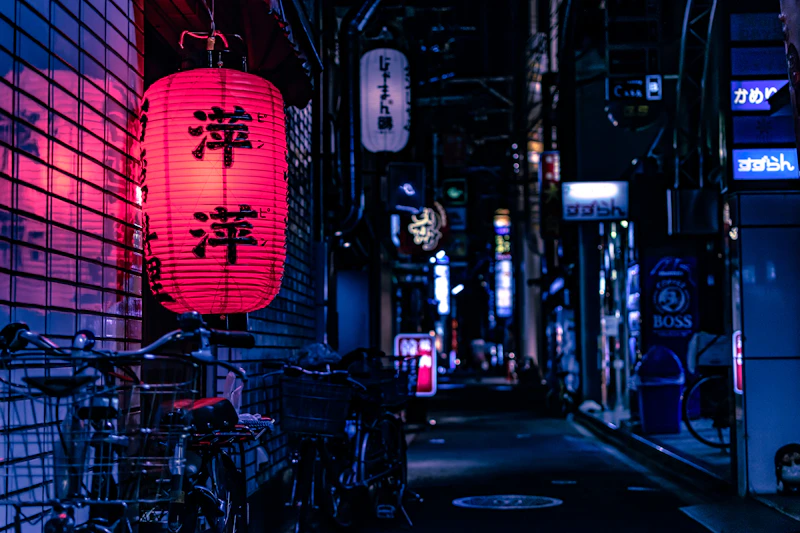
The Higashiyama Walking Course connects 13 temples and 5 shrines along a hillside path on the town's eastern edge. Removed from tourist crowds, the route offers peaceful contemplation and local atmosphere.
The path winds through forest, past moss-covered stones and traditional architecture. Each temple has distinct character, from grand halls to intimate neighborhood shrines.
Allow 1-2 hours for the complete route, which provides excellent perspectives over the town and surrounding mountains. Autumn foliage season transforms the trail into a color journey.

Station Area
The modern station area contrasts with the historic old town while providing essential visitor services. The tourist information center offers excellent English resources including maps and accommodation assistance.
The bus terminal serves routes to Shirakawa-go, Kamikochi, and other regional destinations not covered by rail. Modern restaurants here offer alternatives to the traditional old town options.
Luggage storage at the station allows day-trip exploration before evening departures. The quick walk to the old town makes the station area convenient without sacrificing authentic atmosphere.
Top attractions
From morning markets to festival floats - experiences that define Takayama.
Takayama Jinya
Takayama Jinya served as the regional government building during the Edo period, the only such building in Japan that remains preserved. Its imposing gate and extensive grounds convey the power of Tokugawa-era administration.
Inside, visitors explore tatami-floored offices, reception halls, and living quarters where officials conducted their duties. A preserved torture room provides sobering contrast to the elegant architecture.
The connected rice warehouse houses exhibits explaining the region's history and the building's administrative role. English audio guides illuminate details otherwise missed. The adjacent morning market makes morning visits particularly rewarding.
Tip: Morning market operates right outside
Takayama Festival Floats Exhibition Hall
Takayama's spring and autumn festivals rank among Japan's three most beautiful, featuring elaborate wooden floats with mechanical puppet performances. The exhibition hall displays four actual festival floats in rotating exhibition.
The floats represent master craftsmanship spanning centuries: lacquerwork, metalwork, weaving, and wood carving combine in towering structures. Videos show the puppets in action during actual festivals.
Even for those unable to attend the festivals (mid-April and early October), the hall conveys their magnificence. The adjacent shrine grounds host the floats during actual festival days.
Tip: See actual floats if you miss the festival
Hida Folk Village
Hida no Sato (Hida Folk Village) relocates over 30 traditional houses from throughout the mountainous Hida region, creating an open-air museum of rural architecture. Thatched-roof farmhouses including gassho-zukuri styles stand among forests and rice paddies.
Inside the buildings, traditional tools, furniture, and artifacts show how mountain communities lived. Some houses offer craft demonstrations including woodworking and textile weaving.
The hillside setting provides excellent photography opportunities, particularly in morning light or during winter snow. The contrast with the preserved town architecture illustrates rural versus urban traditional life.
Tip: Allow 1-2 hours for thorough exploration

Sake Breweries
Seven sake breweries operate within Sanmachi Suji, their presence marked by sugidama (balls of cedar branches) hanging at entrances. Pure mountain water and cold winters create ideal brewing conditions for Takayama sake.
Most breweries offer tasting rooms where visitors sample various grades and styles. Some provide brewery tours explaining the production process. Winter months (November-March) represent active brewing season.
Each brewery has distinct character and specialty styles. Collecting stamps from multiple breweries provides souvenir and structure for exploration. Non-alcoholic alternatives include amazake (sweet rice drink) at many locations.
Tip: Look for sugidama (cedar balls) marking breweries
Where to eat in Takayama
From legendary Hida beef to regional sake - savor the flavors of the Japanese Alps.

Hida Beef
Hida beef ranks among Japan's finest wagyu, raised in the clean mountain air of Gifu Prefecture. Rich marbling and melt-in-your-mouth texture rival famous Kobe and Matsusaka beef at often lower prices.
Restaurants throughout Takayama serve Hida beef in various preparations: grilled yakiniku, sukiyaki hot pot, steak, and even sushi. Morning market stalls offer beef sushi that has become Takayama's signature street food.
Quality varies by restaurant and cut, but even mid-range establishments serve genuine Hida beef. Splurging on a proper wagyu dinner represents essential Takayama experience.

Hoba Miso
Hoba miso grills sweet miso paste with vegetables, mushrooms, and sometimes beef on a dried magnolia leaf over charcoal. The leaf imparts subtle fragrance while the miso caramelizes into rich, savory-sweet sauce.
This dish originated as mountain farm food, using preserved miso and dried leaves through long winters. Today it appears on ryokan breakfast tables and restaurant dinner menus throughout Takayama.
The interactive experience of cooking over your own brazier adds enjoyment beyond the flavors. Vegetarian versions substitute mountain vegetables for meat while maintaining essential character.
Local Sake
Takayama's seven breweries produce sake using pure mountain water and traditional methods. The cold winter climate forces slower fermentation, creating smooth, refined flavors distinctive to the region.
Each brewery has signature styles, from dry junmai to fragrant ginjo grades. Tasting rooms allow comparison and discovery of personal preferences before purchase.
Winter visits (November-March) coincide with active brewing season when fresh new sake becomes available. Sake sets at dinner restaurants provide curated tastings of local varieties.

Mitarashi Dango
Mitarashi dango, grilled rice dumplings with sweet-salty soy glaze, appears at morning markets and street stalls throughout Takayama. The Hida version uses rice from mountain paddies, creating distinctly chewy texture.
Watch vendors grill the dumplings to order, the glaze caramelizing into sticky sweetness. The portable snack provides perfect fuel for old town exploration.
Variations include gohei-mochi, pounded rice formed on wooden sticks and grilled with various toppings. These mountain region treats reflect the area's rice culture and cold-weather preservation needs.
Day trips from Takayama
Explore UNESCO villages, highland plateaus, and traditional communities.
Shirakawa-go
Shirakawa-go's UNESCO World Heritage village preserves gassho-zukuri farmhouses with distinctive steep thatched roofs designed to shed heavy snow. The village appears frozen in time, especially atmospheric during winter illumination events.
Buses from Takayama (not JR) run regularly, making day trips easy. Some houses offer overnight stays for deeper immersion. The viewpoint overlooking the village provides iconic photographs.
Hida-Furukawa
This smaller town offers similar Edo-period atmosphere without Takayama's crowds. White-walled storehouses line carp-filled canals, creating photogenic scenes. The sake breweries here welcome visitors for tours and tastings.
Your JR Pass covers the quick journey, making Furukawa an easy half-day addition. The town inspired anime "Your Name" bringing new visitors to discover its quiet charm.
Kamikochi
This highland valley in the Northern Japanese Alps offers spectacular mountain scenery and hiking trails. Mirror-like Taisho Pond reflects snow-capped peaks, while the Kappa Bridge provides iconic photo opportunities.
Open mid-April to mid-November, Kamikochi requires bus access (no private cars). Day hiking ranges from gentle riverside walks to challenging mountain ascents. Early morning arrivals catch best light and fewer crowds.
Shopping in Takayama
From lacquerware to morning market finds - discover local crafts and products.
Shunkei Lacquerware
Hida Shunkei lacquerware uses transparent coating that reveals the natural wood grain beneath, unlike the opaque lacquer of other regions. The 400-year-old craft produces trays, boxes, and tableware prized for their warm, natural appearance. Shops throughout the old town sell authentic pieces, from affordable daily items to museum-quality art. The Hida Takayama Craft Experience Center offers hands-on workshops.

Morning Market Finds
The morning markets offer unique local products: handmade pickles, dried mountain vegetables, embroidered sarubobo dolls, and seasonal produce. Direct interaction with producers adds meaning to purchases. Sarubobo (baby monkey) dolls, traditionally made by grandmothers for grandchildren, have become Takayama's signature souvenir in countless variations. The red fabric charms bring good luck and safe childbirth.
Seasonal highlights
Each season transforms the Japanese Alps town into new beauty.
Spring
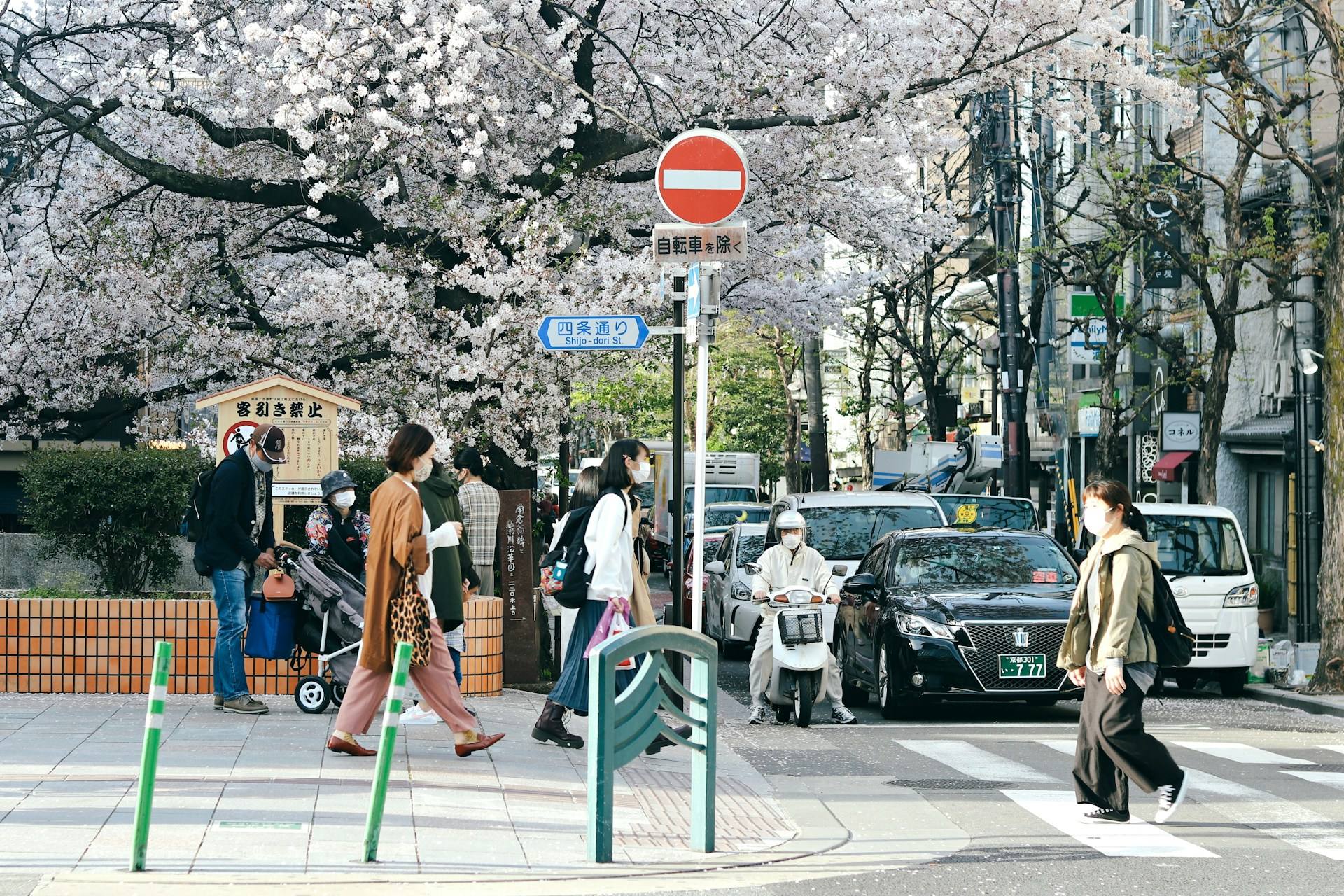
The Spring Takayama Festival brings elaborate floats through the streets. Cherry blossoms arrive late to the mountain town, extending the season beyond lowland areas.
Summer
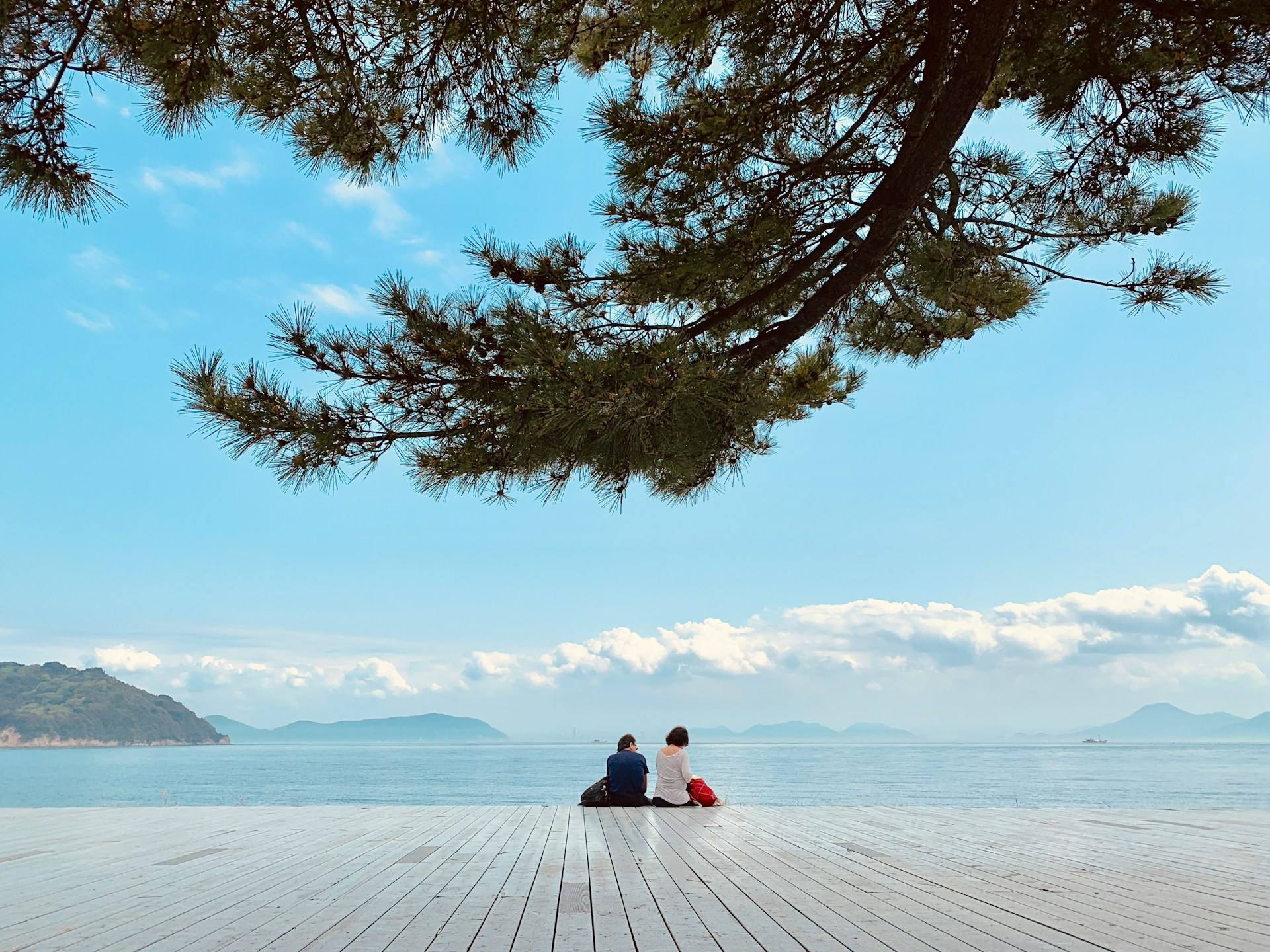
Mountain elevation provides relief from lowland summer heat. Kamikochi opens for hiking season, while festivals and outdoor activities enliven the town.
Autumn
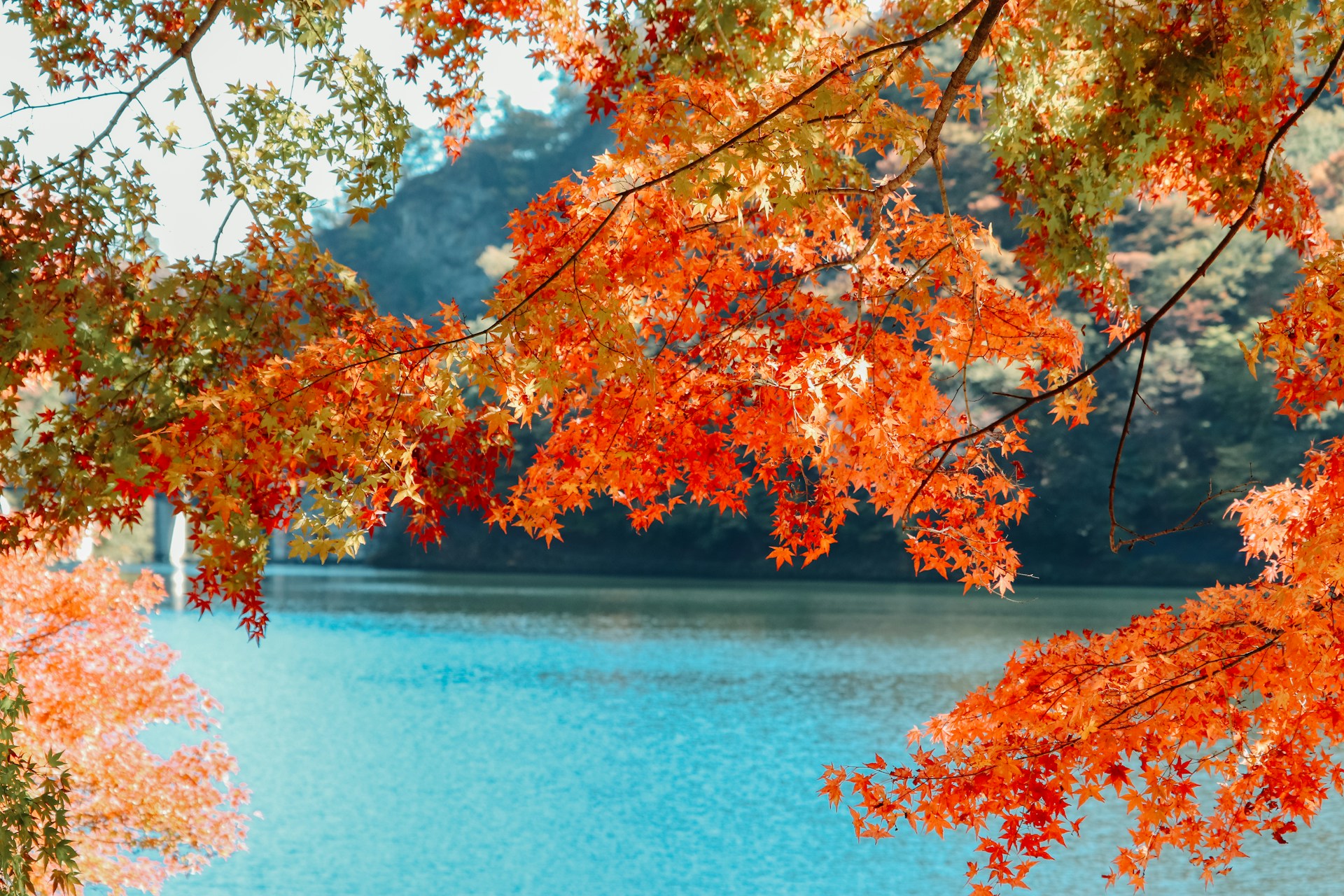
The Autumn Festival rivals spring for magnificence. Mountain foliage colors transform the region, with temple trail walks particularly beautiful.
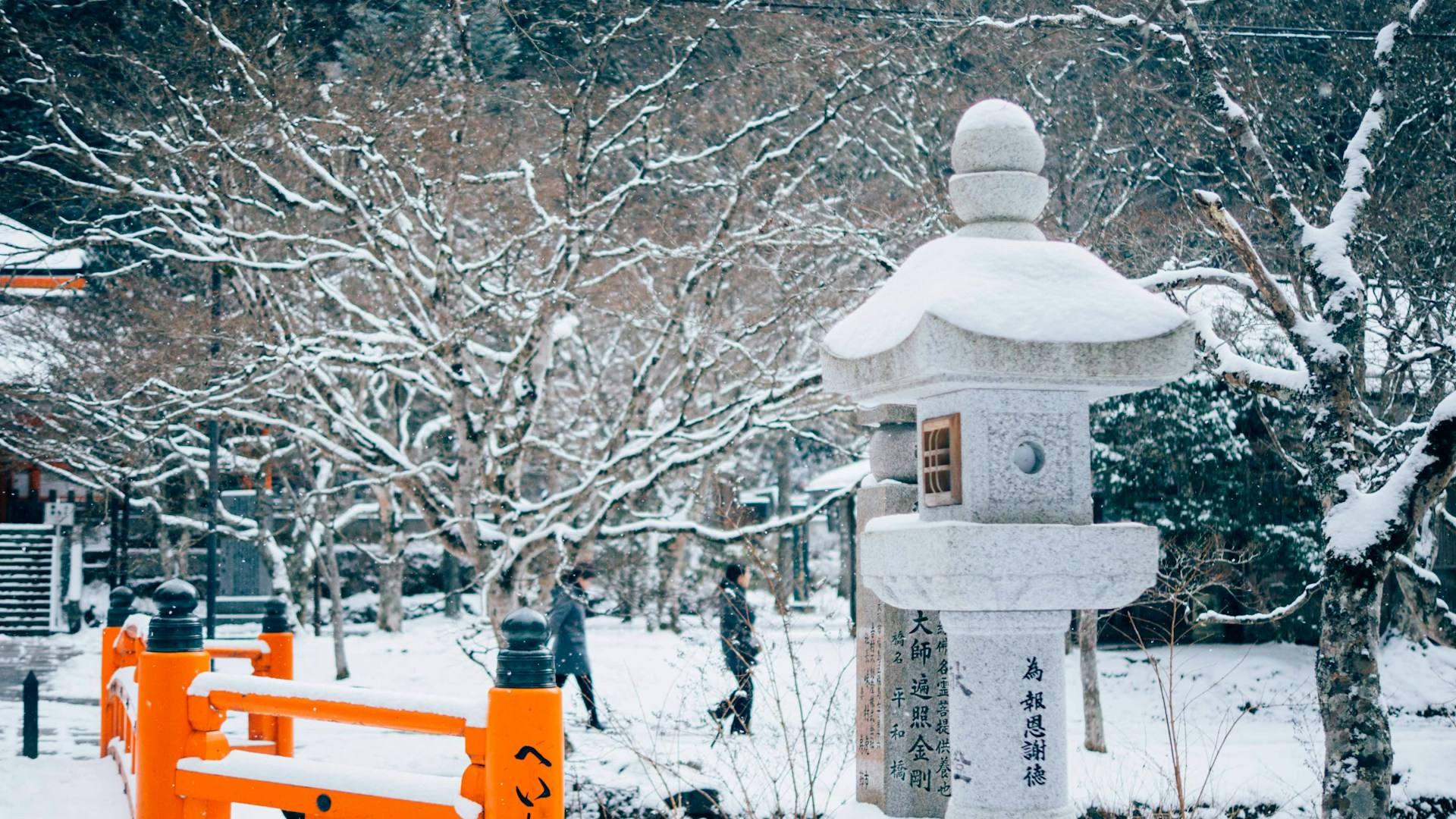
Winter
Heavy snowfall transforms Takayama into a winter wonderland. Sake brewing reaches peak season, and Shirakawa-go illumination events create magical scenes.
Practical tips
Essential information for navigating Takayama smoothly.
Transportation
- JR Hida Limited Express from Nagoya (2.5 hrs)
- Buses to Shirakawa-go not covered by JR Pass
- Old town is walkable from station
- Rent bicycles for wider exploration
Money
- Cash preferred at markets and small shops
- ATMs at convenience stores and post office
- Hida beef restaurants range ¥2,000-10,000
- Morning market items very affordable
Etiquette
- Remove shoes at temples and ryokan
- Ask before photographing market vendors
- Quiet voices in residential areas
- Try sake tastings responsibly
Connectivity
- Free WiFi at station and hotels
- Tourist info center has English maps
- Download offline maps for mountain trips
- Phone signal weak in alpine areas
Navigate Takayama with your JR Pass
Your JR Pass covers the JR Hida Limited Express from Nagoya to Takayama (2.5 hours), passing through stunning mountain scenery along the Hida River valley.
Key stations
JR Pass covered
JR Hida Line (Limited Express from Nagoya)
JR Hida Line (15 min from Takayama)